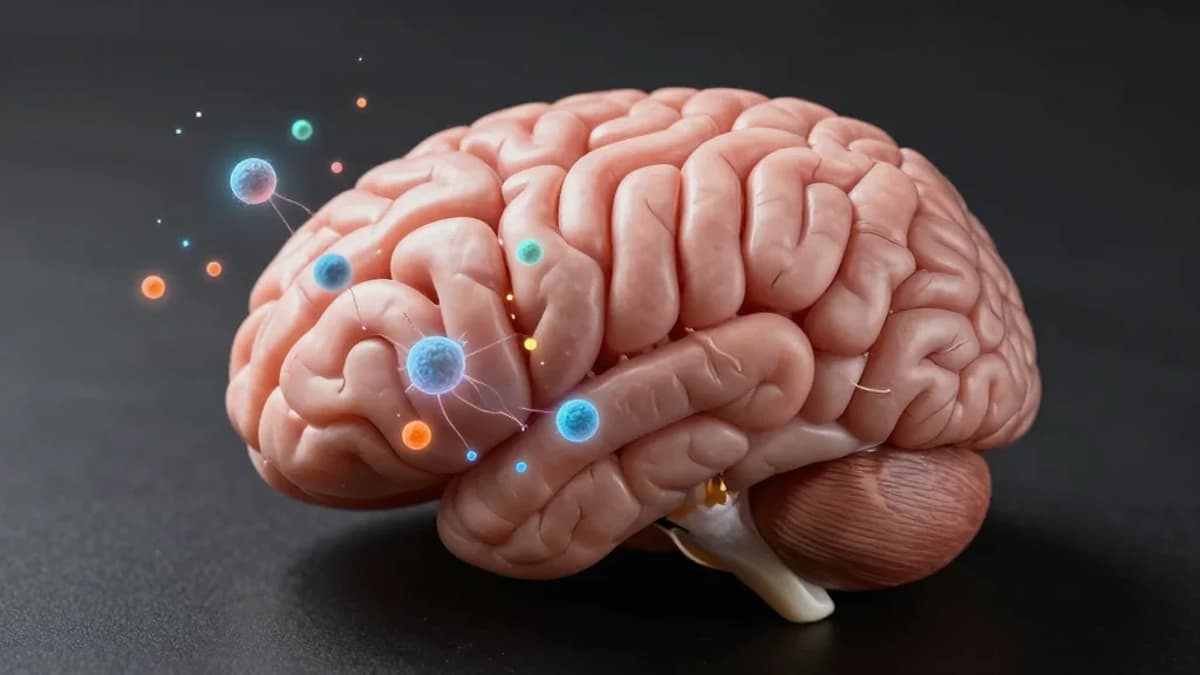
Neuroinflammation: An Unfortunate Term to Describe Schizophrenia
•January 31, 2026
0
Companies Mentioned


Why It Matters
Accurate language shapes research priorities and therapeutic strategies, preventing misdirected drug development in schizophrenia.
Key Takeaways
- •Genetic links tie schizophrenia to systemic immune traits.
- •CSF cytokine studies show inconsistent inflammatory signatures.
- •PET imaging of TSPO yields mixed microglial activation results.
- •Anti‑inflammatory trials show modest benefits, limited reproducibility.
- •Precise immune profiling needed for personalized schizophrenia treatment.
Pulse Analysis
Over the past decade, large‑scale genome‑wide association studies have repeatedly linked schizophrenia risk loci to genes that regulate peripheral immune cell function and white‑blood‑cell counts. Parallel epidemiological work shows higher prevalence of autoimmune disorders among patients, and meta‑analyses of blood biomarkers reveal modest elevations in C‑reactive protein and altered leukocyte ratios. Yet these systemic signals do not map cleanly onto a classic inflammatory cascade within the brain. The emerging consensus is that schizophrenia involves nuanced immune dysregulation—ranging from altered cytokine signaling to subtle microglial phenotypes—rather than overt neuroinflammation.
Neuroimaging attempts to capture this brain‑immune interface have produced mixed results. Positron‑emission tomography using the translocator protein (TSPO) ligand reports modest increases in binding in some cohorts, but large meta‑analyses highlight high methodological variability and a lack of consistent patient‑control differences. Cerebrospinal fluid investigations echo this ambiguity: while certain cytokines such as IL‑6 appear elevated in early‑stage psychosis, others are unchanged or even reduced, and correlations with symptom severity remain weak. These inconsistencies underscore the danger of treating “neuroinflammation” as a monolithic label.
The terminology debate has practical consequences for drug development. Anti‑inflammatory agents, from NSAIDs to monoclonal antibodies targeting interleukin pathways, have yielded modest, often non‑replicable improvements in psychotic symptoms, suggesting that blanket suppression of inflammation may miss the target. A more precise immune profiling—integrating genetics, peripheral blood signatures, CSF cytokine panels, and advanced imaging—could enable stratified trials that match patients to therapies addressing their specific immune alterations. Reframing schizophrenia as a disorder of immune‑brain communication rather than classic neuroinflammation may accelerate the discovery of biomarkers and personalized interventions.
Neuroinflammation: an unfortunate term to describe schizophrenia
0
Comments
Want to join the conversation?
Loading comments...