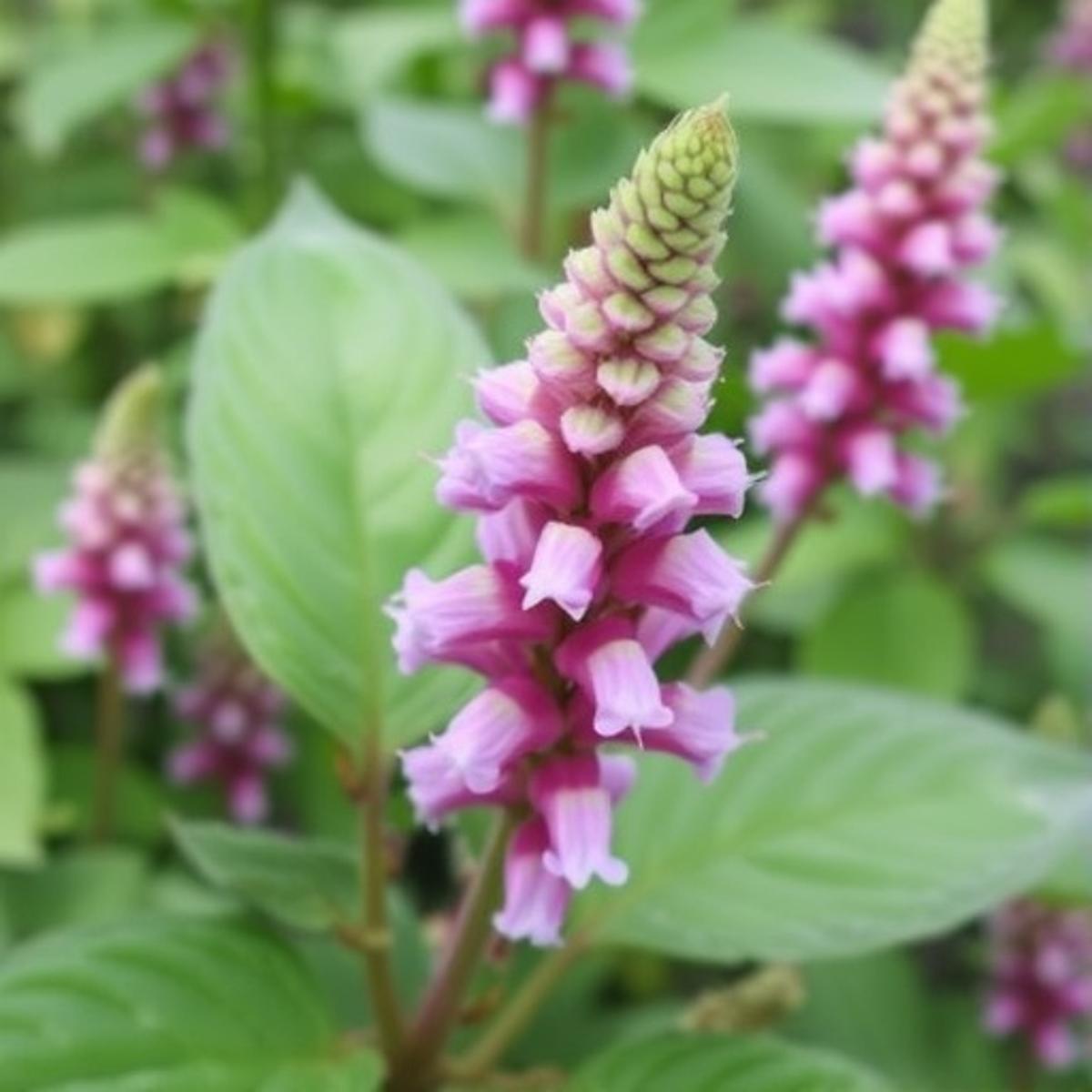
New Genetic Insights Into Strobilanthes Cusia Cultivation
•January 16, 2026
0
Why It Matters
Enhanced genetic knowledge enables commercial growers to produce higher‑quality cusia crops, meeting rising demand for natural dyes and phytopharmaceuticals. The breakthrough also accelerates breeding programs targeting climate‑smart agriculture.
Key Takeaways
- •Genome reveals pigment‑related transcription factors
- •Marker‑assisted selection lifts leaf biomass 25%
- •Drought‑tolerant genes improve field resilience
- •Potential for scalable natural dye production
Pulse Analysis
The recent genomic breakthrough in Strobilanthes cusia marks a turning point for the natural‑dye and herbal‑medicine sectors. By mapping the full DNA sequence and isolating the enzymes that drive indigo pigment synthesis, scientists have provided a molecular blueprint that can be leveraged by breeders worldwide. This level of insight reduces reliance on trial‑and‑error cultivation, allowing producers to target specific traits such as higher alkaloid concentrations and faster growth cycles, which are critical for meeting global market demand.
Beyond pigment production, the study uncovers a suite of stress‑response genes that confer drought and temperature tolerance. As climate variability threatens traditional farming regions, these genetic markers enable the development of resilient cusia varieties that maintain yield under adverse conditions. Agricultural firms can now integrate marker‑assisted selection into existing breeding pipelines, shortening the time from research to field deployment and lowering production costs for both smallholders and large‑scale growers.
From a commercial perspective, the ability to reliably cultivate high‑quality cusia leaves unlocks new revenue streams in the sustainable textile and nutraceutical industries. Natural indigo, prized for its low environmental impact, can compete more effectively against synthetic dyes, while the plant's bioactive compounds attract pharmaceutical interest for anti‑inflammatory and antiviral applications. Investors and policymakers should watch this space closely, as the convergence of genomics, climate‑smart agriculture, and consumer demand for green products positions Strobilanthes cusia as a strategic crop for the next decade.
New Genetic Insights into Strobilanthes cusia Cultivation
0
Comments
Want to join the conversation?
Loading comments...