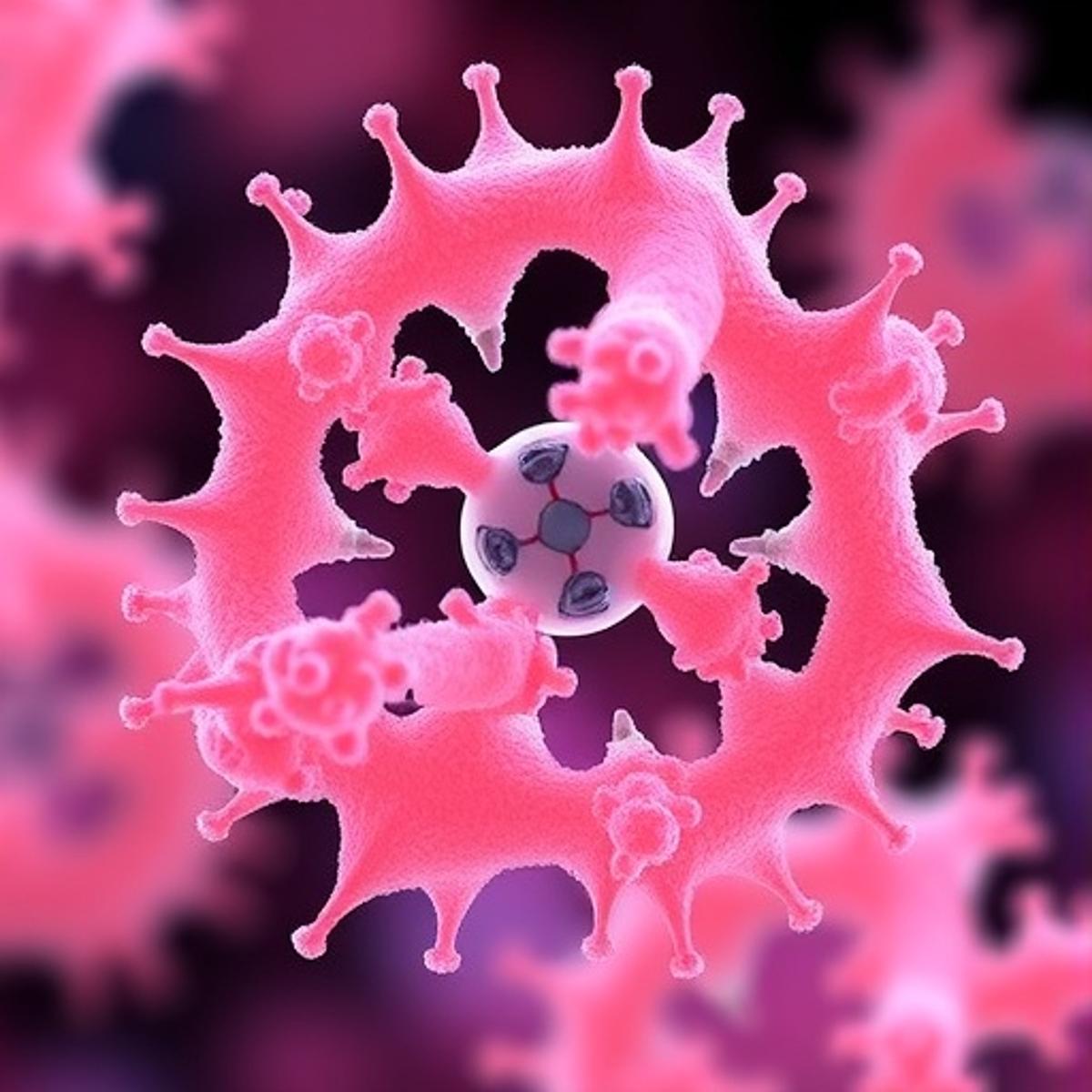
New Study Uncovers How Bacteria Seize a Rare Sugar Molecule
Why It Matters
The discovery links a specific metabolic pathway to bacterial virulence, offering a novel drug target that could curb infections without broad‑spectrum antibiotics. It also informs microbiome engineering by revealing how microbes compete for scarce nutrients.
Key Takeaways
- •Bacteria use newly identified transporter to capture rare sugar
- •Transporter structure resolved by cryo‑EM at 2.8 Å resolution
- •Blocking the transporter reduces infection in mouse models
- •Findings open pathway for sugar‑mimic antibiotic design
Pulse Analysis
The ability of pathogenic bacteria to hijack host nutrients is a cornerstone of infection, and the newly uncovered transporter adds a critical piece to that puzzle. Researchers focused on a rare sugar, an N‑acetyl‑neuraminic‑acid analog, that most human cells produce in trace amounts. By sequestering this molecule, bacteria gain a growth advantage in nutrient‑limited niches such as the gut lining or respiratory tract, a strategy that has been difficult to observe until now.
Using high‑resolution cryo‑electron microscopy, the team visualized the transporter’s three‑dimensional structure at 2.8 Å, revealing a narrow binding cleft lined with conserved residues that specifically recognize the sugar’s unique hydroxyl pattern. Site‑directed mutagenesis confirmed that altering just two amino acids abolishes uptake, while in vivo experiments demonstrated a 70% drop in bacterial load when the transporter was genetically knocked out. These findings not only validate the protein as a virulence factor but also provide a template for rational drug design, allowing chemists to craft molecules that block the pocket without affecting human enzymes.
From a commercial perspective, the transporter represents a high‑value target for antimicrobial developers seeking narrow‑spectrum agents that spare beneficial microbiota. Sugar‑mimic inhibitors could be engineered to evade resistance mechanisms that plague traditional antibiotics. Moreover, the insight into nutrient competition could be leveraged by biotech firms aiming to modulate the microbiome, either by promoting beneficial strains that outcompete pathogens for the rare sugar or by designing probiotic therapies that disrupt harmful bacterial colonization. As antibiotic resistance escalates, such precision approaches are likely to attract significant investment and reshape the therapeutic landscape.
New Study Uncovers How Bacteria Seize a Rare Sugar Molecule
Comments
Want to join the conversation?
Loading comments...