Novel Wide‐Spectrum Virucidal Lipid Nanoparticles
•February 2, 2026
0
Companies Mentioned
Why It Matters
By delivering irreversible viral inactivation without harming host cells, POSTAN could fill the gap left by reversible antivirals and toxic virucides, accelerating treatment options for emerging respiratory infections.
Key Takeaways
- •Biocompatible lipid nanoparticle mimics heparan sulfate.
- •Virucidal activity against five major virus families.
- •Effective at micromolar concentrations in vitro.
- •Intranasal delivery reduces RSV lung titers up to 19‑fold.
- •Minimal toxicity in human airway cultures and mice.
Pulse Analysis
The persistent threat of viral pandemics has highlighted the limitations of current antiviral strategies, which are largely virus‑specific and often rely on reversible inhibition. Traditional virustatic drugs can be outpaced by rapid viral mutation, while existing virucidal compounds frequently suffer from unacceptable toxicity. Leveraging advances in nanotechnology, researchers are now exploring lipid‑based platforms that can directly dismantle viral particles without compromising host cell integrity, offering a promising avenue for truly broad‑spectrum protection.
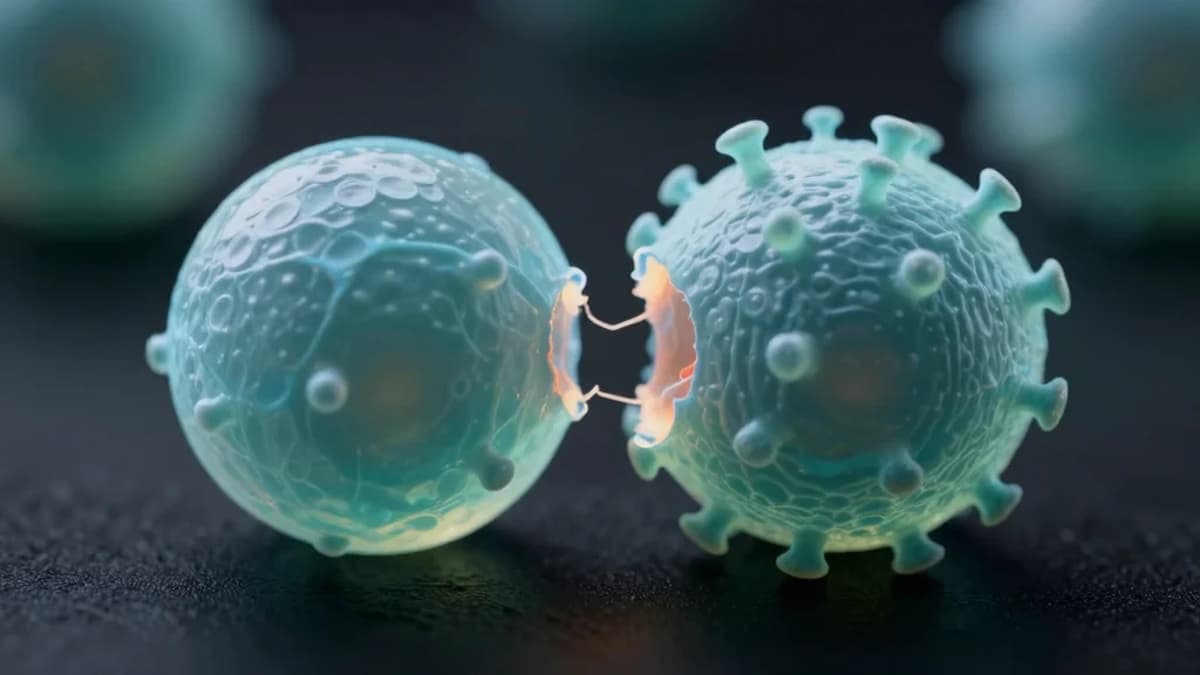
POSTAN exemplifies this new class of therapeutics. Built from polyoxyethylene sorbitan oleate and sodium taurodeoxycholate, the nanoparticle mimics heparan sulfate proteoglycans and lipid rafts—structures that many viruses exploit for entry. This mimicry enables POSTAN to bind and destabilize viral envelopes, delivering irreversible inactivation at micromolar concentrations. In vitro, it suppressed HSV, RSV, Zika, CHIKV and SARS‑CoV‑2, achieving up to five‑log reductions. In vivo, intranasal administration in neonatal mouse models cut RSV lung titers by up to 19‑fold and prevented hemorrhagic pathology, all while showing negligible cytotoxicity in human airway epithelial cultures.
The implications for the pharmaceutical market are significant. A safe, inhalable virucidal agent could serve both prophylactic and therapeutic roles across a spectrum of respiratory pathogens, reducing reliance on vaccine‑specific pipelines and enabling rapid response to novel outbreaks. Regulatory pathways may be streamlined given its biocompatible lipid composition and favorable safety data. Future research will likely focus on scaling manufacturing, optimizing dosing regimens, and expanding efficacy testing to additional viral families, positioning POSTAN as a potential cornerstone of next‑generation antiviral defense.
Novel Wide‐Spectrum Virucidal Lipid Nanoparticles
0
Comments
Want to join the conversation?
Loading comments...