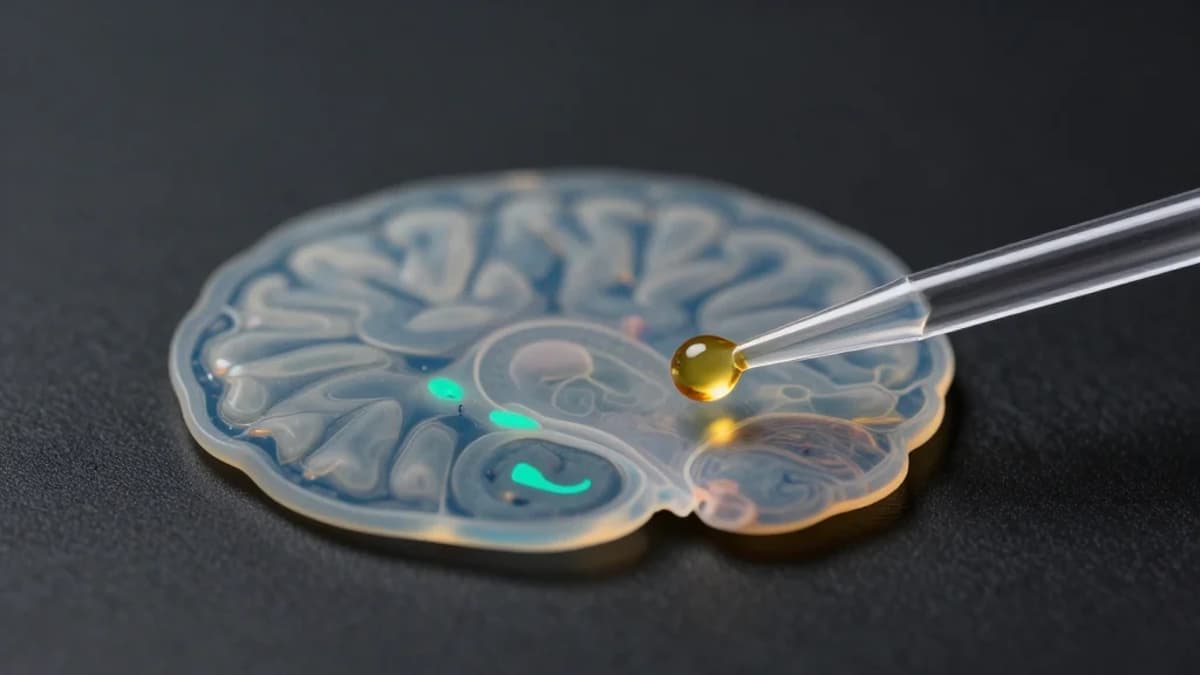
NU-9 Halts Alzheimer's Disease in Animal Model Before Symptoms Begin
•December 19, 2025
0
Why It Matters
By targeting the earliest protein‑aggregate toxicity, NU‑9 could shift Alzheimer’s treatment from symptomatic to preventive, addressing a major cause of trial failures. If successful in humans, it would create a new therapeutic paradigm akin to cholesterol‑lowering drugs for heart disease.
Key Takeaways
- •NU-9 reduces toxic amyloid‑beta oligomer subtype in mice
- •Early oral dosing prevents reactive astrogliosis
- •Drug also cleared ALS protein aggregates in prior studies
- •Targeted ACU193+ oligomers, linked to early inflammation
- •Human trials for ALS approved; Alzheimer’s trials upcoming
Pulse Analysis
Alzheimer’s disease is now understood as a decades‑long process that begins with subtle protein‑aggregate formation long before memory loss becomes apparent. Recent neuropathological studies have identified distinct amyloid‑beta oligomer subtypes that trigger neuroinflammation and astrocyte activation, setting the stage for downstream neuronal death. This early‑stage biology has been a blind spot for most drug programs, which traditionally start treatment after clinical symptoms emerge, contributing to the high failure rate of late‑phase trials.
NU‑9, a brain‑penetrant small molecule invented by chemist Richard Silverman, offers a mechanistic solution by rescuing cellular clearance pathways that remove toxic aggregates. In mouse models, a 60‑day oral regimen not only eliminated the ACU193+ oligomer subtype but also suppressed reactive astrogliosis and reduced TDP‑43 abnormalities, effects that spanned the hippocampus, cortex, and other key regions. The compound’s prior success in clearing ALS‑related SOD1 and TDP‑43 aggregates, coupled with FDA clearance for ALS human trials, underscores its cross‑disease potential and validates the underlying chemistry platform.
If NU‑9 translates to human efficacy, it could redefine Alzheimer’s drug development, aligning therapeutic timing with emerging blood‑based biomarkers that detect pre‑clinical pathology. Pharmaceutical firms may pivot toward preventive trials, mirroring cardiovascular strategies that treat risk factors before events occur. Such a shift would open sizable market opportunities, attract investment in early‑diagnostic technologies, and potentially reduce the societal burden of dementia. Nonetheless, challenges remain in demonstrating long‑term safety, optimal dosing, and regulatory pathways for a preventive indication, making the upcoming clinical data a critical inflection point for the field.
NU-9 halts Alzheimer's disease in animal model before symptoms begin
0
Comments
Want to join the conversation?
Loading comments...