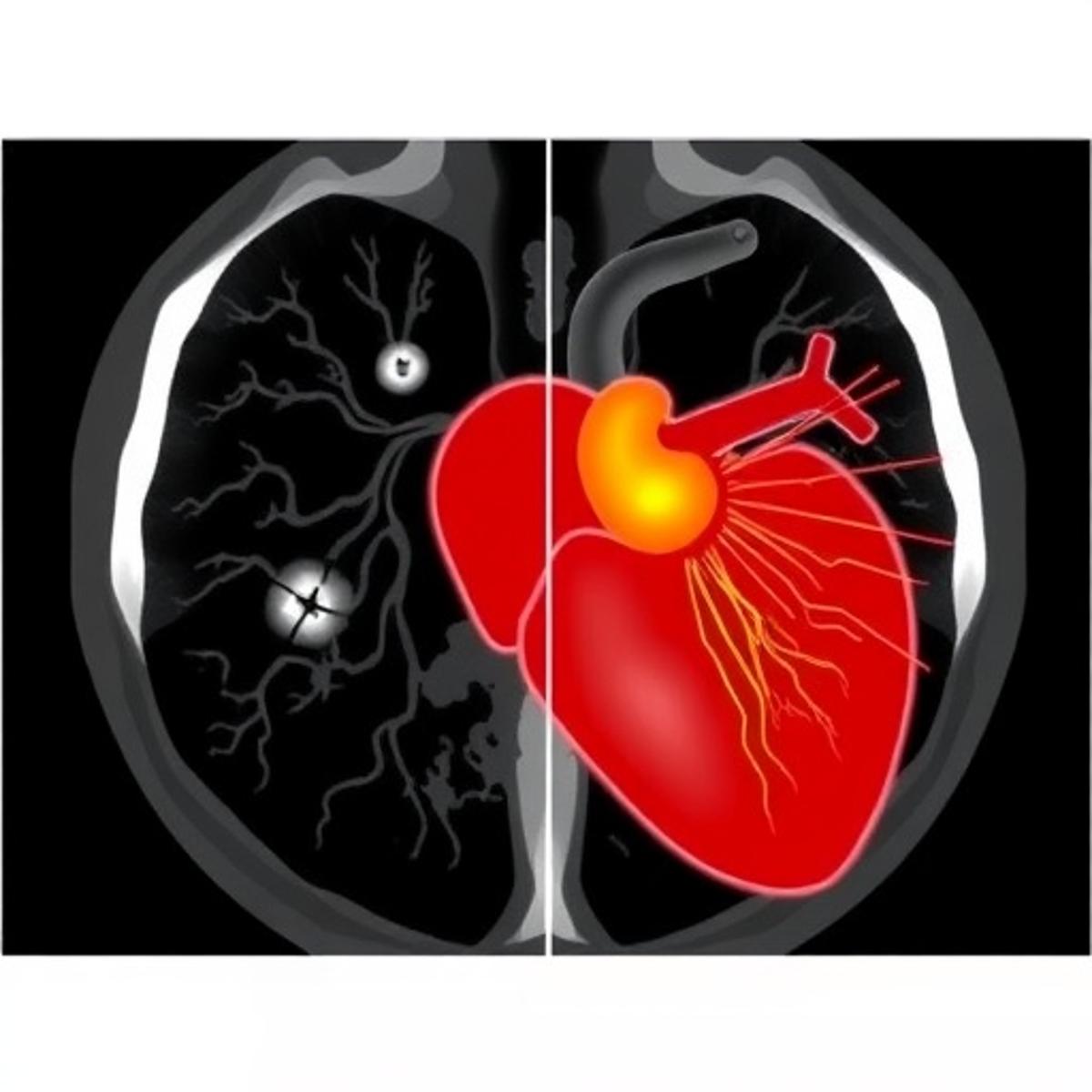
Optimizing Coronary Artery Segmentation: Key Design Insights
•January 9, 2026
0
Why It Matters
These findings collectively push forward precision medicine, chronic disease management, and digital health, signaling faster translation from lab to bedside across multiple therapeutic areas.
Key Takeaways
- •Two-year MVA-MERS-S vaccine immunity confirmed
- •Amino acid pathways target cholangiocarcinoma therapy
- •FGL1 drives kidney fibrosis progression
- •Visual study improves pediatric caregiver communication
- •Origami honeycomb sensor enables smart cushion monitoring
Pulse Analysis
The two‑year durability data for the MVA‑MERS‑S vaccine marks a milestone in viral‑vector immunology, suggesting that long‑lasting protection may be achievable without frequent boosters. This longevity could reshape public‑health strategies for emerging coronaviruses, reducing logistical burdens and enhancing global vaccine confidence. Researchers attribute the sustained response to robust T‑cell memory, a finding that may inform the design of next‑generation platforms targeting other pathogens.
Metabolic reprogramming continues to emerge as a fertile ground for oncology breakthroughs. Recent work linking amino‑acid metabolism to cholangiocarcinoma reveals exploitable enzymatic bottlenecks, offering a precision‑targeted approach that spares healthy tissue. Simultaneously, the identification of hepatokine fibrinogen‑like protein 1 (FGL1) as a catalyst for kidney fibrosis deepens our understanding of organ‑specific fibrotic cascades. Therapeutic interventions that modulate these pathways could halt disease progression, opening new revenue streams for biotech firms focused on renal and hepatic disorders.
Beyond molecular advances, patient‑centered innovations are gaining traction. A visual ethnography of pediatric hospital experiences uncovers communication friction points, prompting hospitals to redesign caregiver interactions for better outcomes. Complementing this, engineers have unveiled a smart cushion embedded with an origami‑inspired honeycomb wireless sensor, capable of detecting pressure and motion in real time. Such wearable technologies promise to reduce pressure‑injury incidence and provide clinicians with actionable data, accelerating the integration of IoT solutions into routine care.
Optimizing Coronary Artery Segmentation: Key Design Insights
0
Comments
Want to join the conversation?
Loading comments...