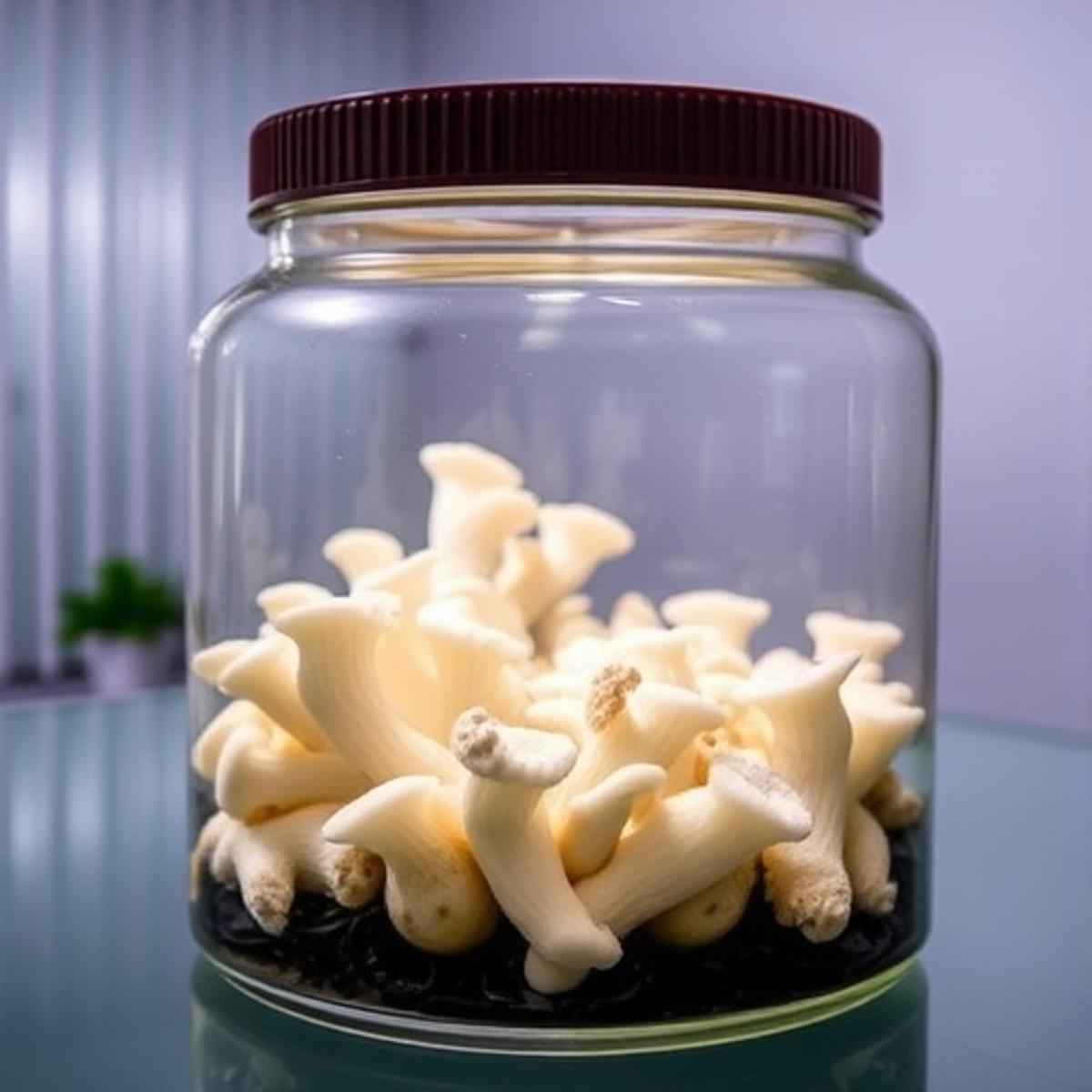
Optimizing Culture Conditions for Pure Mycelium Production
•January 9, 2026
0
Why It Matters
These developments illustrate how integrated hardware, AI, and biotech are accelerating patient‑centric solutions, reshaping both preventive care and therapeutic strategies across the healthcare ecosystem.
Key Takeaways
- •Wearable sensors integrate origami-inspired designs
- •AI transforms digital smile design workflows
- •MVA-MERS-S vaccine shows two-year immunity
- •Metabolic targeting offers cholangiocarcinoma treatment potential
- •Neurodevelopment therapies improve preterm infant outcomes
Pulse Analysis
The convergence of soft‑material engineering and electronics is redefining wearable health devices. By borrowing origami principles, the smart cushion sensor achieves high flexibility while maintaining precise data capture, paving the way for unobtrusive monitoring in clinical and home settings. This design philosophy is spreading across the sector, encouraging manufacturers to prioritize comfort without sacrificing functionality.
Artificial intelligence continues to disrupt traditional dental workflows, with AI‑enhanced digital smile design tools delivering faster, more accurate aesthetic outcomes. These platforms leverage deep learning to analyze facial geometry and patient preferences, reducing manual iteration cycles. As AI integration deepens, dental practices can expect streamlined appointments, higher patient satisfaction, and new revenue streams from premium, personalized services.
On the therapeutic front, the MVA‑MERS‑S vaccine’s two‑year immunity data signals a promising durability benchmark for viral vector vaccines, informing future pandemic preparedness strategies. Simultaneously, research into amino‑acid metabolism offers a novel angle for tackling cholangiocarcinoma, a historically hard‑to‑treat cancer. Coupled with neurodevelopmental interventions that boost outcomes for preterm infants, these advances reflect a broader shift toward precision medicine, where targeted, data‑driven solutions address complex health challenges more effectively.
Optimizing Culture Conditions for Pure Mycelium Production
0
Comments
Want to join the conversation?
Loading comments...