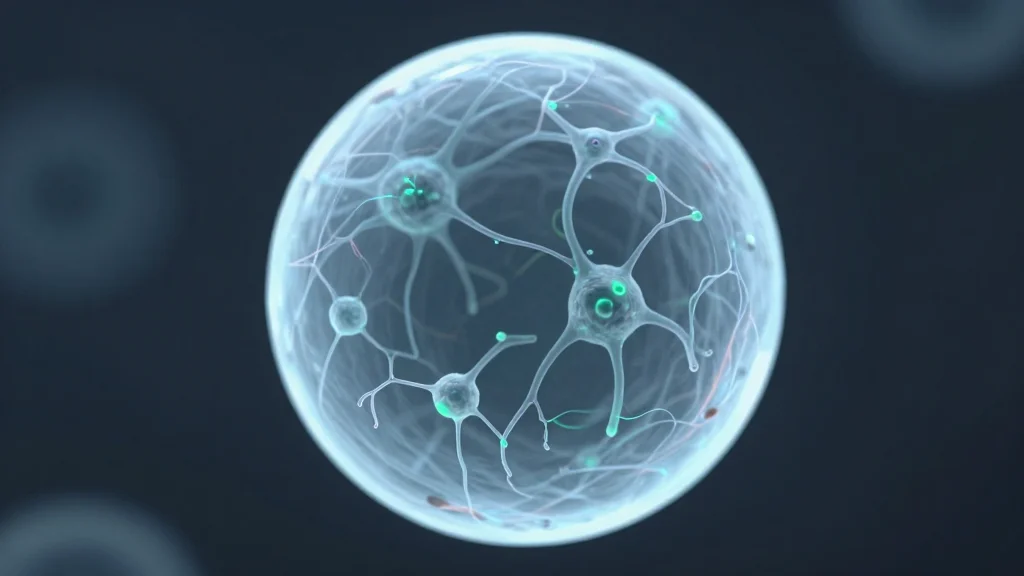
Optimizing Glutamatergic Neurons for Disease Research
Why It Matters
The optimized, human‑relevant neuron model bridges a critical gap between in‑vitro experiments and clinical reality, accelerating therapeutic discovery and improving reproducibility in neuroscience research.
Key Takeaways
- •Optimized media, coatings, and growth factor timing improve neuron viability
- •Electrophysiology and proteomics provide baseline for disease‑specific deviations
- •Human iPSC‑derived glutamatergic neurons mirror in‑vivo maturation stages
- •Platform enables high‑fidelity drug screening, reducing animal model reliance
- •Standardized protocol promotes reproducibility across neuroscience laboratories worldwide
Pulse Analysis
Glutamatergic signaling underpins cognition, memory and excitatory balance, making it a focal point for studies of epilepsy, schizophrenia and Alzheimer’s disease. Traditional rodent models and simplistic cell cultures have struggled to recapitulate the human neuronal microenvironment, leading to translational failures. The emergence of induced pluripotent stem cell (iPSC) technology promised patient‑specific neurons, yet variability in culture conditions limited functional fidelity. The new roadmap addresses these shortcomings by systematically optimizing media components, substrate chemistry and the temporal delivery of growth factors, producing neurons that survive longer and exhibit electrophysiological patterns indistinguishable from those recorded in human cortical tissue.
Beyond survival, the study’s integration of high‑resolution patch‑clamp recordings with multielectrode array monitoring delivers a granular map of action‑potential dynamics, synaptic currents and network synchrony across developmental stages. Coupled with mass‑spectrometry‑driven proteomics, researchers now possess a multidimensional reference of protein expression, post‑translational modifications and signaling pathways that define healthy glutamatergic maturation. This baseline is invaluable for pinpointing disease‑specific electrophysiological anomalies or proteomic shifts, enabling researchers to flag early pathogenic events that were previously obscured in less detailed models.
The practical implications are profound for pharmaceutical pipelines. A human‑derived, high‑fidelity neuronal platform allows rapid screening of compounds targeting glutamate receptors or downstream signaling with readouts that combine functional electrophysiology and molecular readouts, reducing reliance on costly animal studies. Moreover, the detailed protocol serves as a community standard, fostering data comparability and collaborative breakthroughs. Future extensions—such as three‑dimensional organoids, glial co‑cultures and real‑time imaging—could further narrow the gap between dish and brain, positioning this roadmap as a cornerstone for both basic neuroscience and translational therapeutics.
Optimizing Glutamatergic Neurons for Disease Research
Comments
Want to join the conversation?
Loading comments...