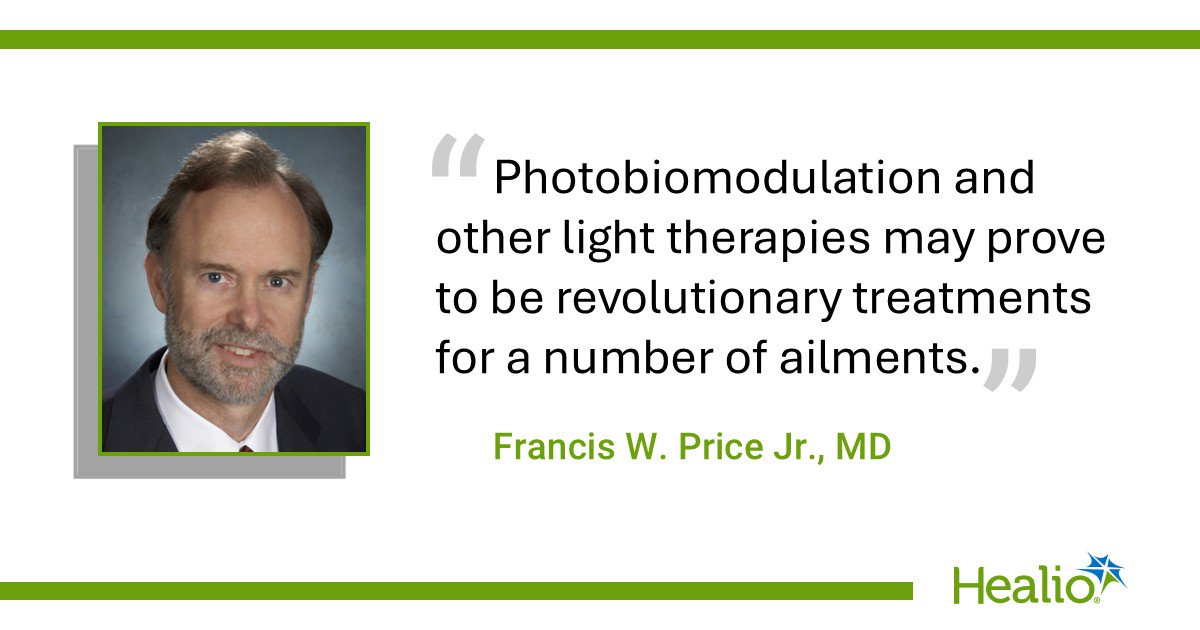
Photobiomodulation: Revolutionary Breakthrough or Scam?
•March 4, 2026
0
Why It Matters
If validated, photobiomodulation could add a safe, inexpensive tool for slowing retinal degeneration, reshaping treatment pathways and market dynamics in ophthalmology.
Key Takeaways
- •FDA authorized Valeda photobiomodulation in Nov 2024
- •Study: 148 eyes, improved acuity, less geographic atrophy
- •Minimal risk profile avoided large, costly pivotal trial
- •Skepticism persists among anterior‑segment specialists
- •Longer wavelengths may boost mitochondrial ATP, systemic benefits
Pulse Analysis
Photobiomodulation, once a niche concept, entered mainstream ophthalmology when Alcon’s Valeda system earned FDA clearance in late 2024. The device delivers three specific wavelengths—590 nm, 660 nm, and 850 nm—through a brief, nine‑session protocol spread over four‑month intervals. Early clinical evidence, derived from a 148‑eye cohort, demonstrated measurable improvements in best‑corrected visual acuity and a statistically lower incidence of geographic atrophy compared with a reduced‑intensity sham. Because the treatment poses negligible safety concerns, regulators bypassed the costly, large‑scale pivotal trials typically required for new ophthalmic drugs, offering a potentially affordable option for patients with early‑stage age‑related macular degeneration.
The therapeutic premise rests on mitochondrial activation within retinal cells, which house the body’s highest concentration of these organelles. Longer wavelengths penetrate ocular tissues and, according to emerging research, may also exert systemic effects when applied to distal body sites, enhancing ATP production and promoting cellular repair. This mechanism differentiates Valeda from traditional red‑light laser approaches that have raised safety flags, such as reduced cone density in pediatric myopia studies. By avoiding laser energy and focusing on photonic stimulation, Valeda sidesteps documented retinal toxicity while leveraging the bioenergetic boost associated with near‑infrared light.
From a market perspective, a low‑risk, cost‑effective therapy could disrupt the current AMD treatment landscape dominated by expensive anti‑VEGF injections and emerging gene therapies. However, widespread adoption hinges on robust, long‑term outcomes and independent validation beyond the initial sponsor‑run study. Payers will scrutinize cost‑effectiveness, and clinicians will demand clear guidelines to address lingering safety concerns. Ongoing registries and larger multicenter trials are essential to confirm durability of benefit, define optimal dosing, and solidify photobiomodulation’s role as a mainstream retinal‑preserving strategy.
Photobiomodulation: Revolutionary breakthrough or scam?
0
Comments
Want to join the conversation?
Loading comments...