Why It Matters
Extending garment lifespan directly cuts textile waste and lowers consumer spending, addressing a critical gap in fashion sustainability. The probiotic approach also differentiates The Lab in a crowded care‑product market, potentially reshaping how brands address product stewardship.
Key Takeaways
- •The Lab uses probiotic bacteria to clean fabrics
- •Care products work up to 72 hours after application
- •Extending garment life reduces waste and consumer spending
- •Campaign targets emotional attachment to boost sustainable fashion
Pulse Analysis
The fashion industry’s sustainability narrative has long been dominated by sourcing, production efficiency, and circular resale models, yet the post‑purchase phase remains largely overlooked. The Lab’s probiotic‑based care line introduces a scientifically grounded solution that tackles this blind spot. By employing live bacteria to metabolize dirt and odor at a microscopic level, the products preserve fabric integrity, allowing consumers to wash less frequently and with milder detergents. This not only prolongs the aesthetic and functional life of garments but also curtails the environmental impact associated with repeated laundering, such as water consumption and micro‑fiber shedding.
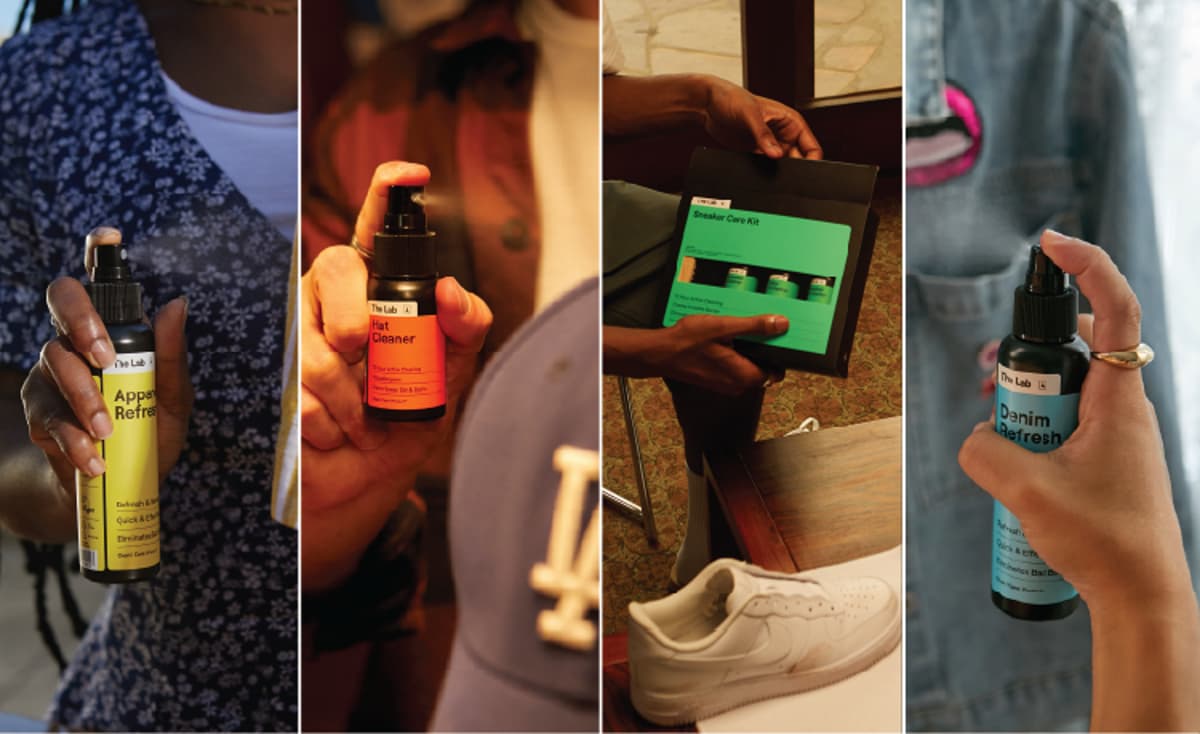
Consumer psychology plays a pivotal role in the success of this approach. The "Take Care of the Things You Love" campaign taps into the sentimental value attached to personal items—sneakers saved for a coveted release, a favorite denim jacket, or a well‑worn hat. When care products are positioned as guardians of memory as well as material, the perceived cost of maintenance drops, making extended ownership a more attractive proposition. This emotional framing aligns with the growing trend of intentional consumption, where shoppers prioritize durability and long‑term value over rapid turnover.
From a market perspective, The Lab’s innovation could spur a broader shift toward biotech solutions in apparel care. As retailers and brands seek differentiation, integrating microbiology into product lines offers a compelling narrative of science‑driven sustainability. Moreover, reduced washing frequency translates into tangible savings for consumers and lower utility bills, reinforcing the economic incentive. If adopted widely, such technologies could contribute significantly to the fashion sector’s goal of cutting textile waste by 50% by 2030, positioning biotech care as a cornerstone of the next wave of eco‑fashion strategies.
Probiotics extend life of apparel and footwear
Comments
Want to join the conversation?
Loading comments...