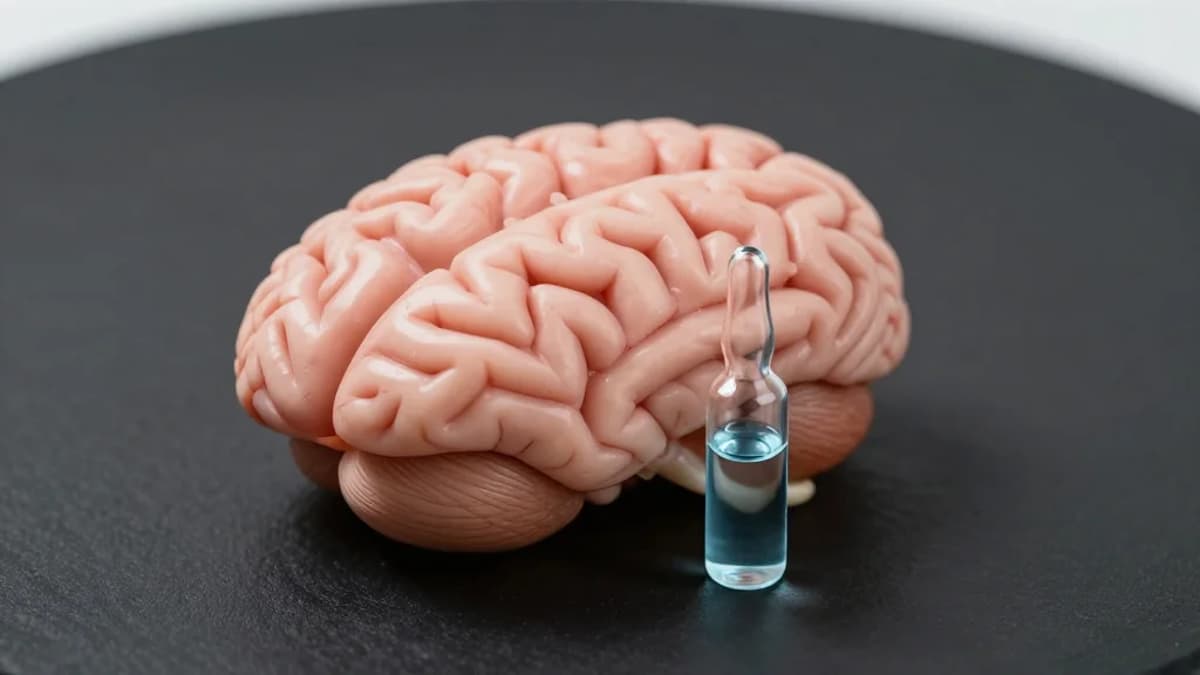
Psychotropic Medications and Their Interactions with Subcortical Brain Volume in Bipolar Disorder: An ENIGMA Mega-Analysis
•January 15, 2026
0
Why It Matters
Clarifying medication‑related brain changes improves the interpretability of neuroimaging biomarkers and informs treatment strategies for bipolar disorder.
Key Takeaways
- •Lithium linked to larger hippocampal and thalamic volumes.
- •Valproate and antipsychotics associated with reduced hippocampus.
- •Polypharmacy amplifies ventricular enlargement and subcortical loss.
- •Medication‑free patients show near‑normal subcortical structures.
- •NbN classification refines drug‑brain volume relationships.
Pulse Analysis
Large‑scale neuroimaging consortia such as ENIGMA have transformed our ability to detect subtle brain alterations in psychiatric illness. By aggregating data across 34 sites, the current mega‑analysis overcomes the power limitations that have plagued earlier bipolar disorder studies, providing a more reliable baseline of subcortical morphology. This breadth also enables a systematic assessment of medication effects, a factor often omitted or inconsistently measured, thereby reducing a major source of heterogeneity in the literature.
The findings reinforce the notion that lithium exerts a neuroprotective influence, manifesting as increased hippocampal and thalamic volumes—regions critical for mood regulation and memory. In contrast, antipsychotic exposure, particularly drugs classified as dopamine‑plus‑other monoamine antagonists, and valproate use are linked to volume reductions in the same limbic structures and to ventricular expansion. These patterns suggest that while some agents may mitigate disease‑related atrophy, others could contribute to structural decline, especially when multiple drug classes are combined. Clinicians interpreting MRI scans must therefore consider medication status to avoid misattributing drug‑induced changes to illness progression.
Future research should prioritize longitudinal designs that capture dosage, treatment duration, and medication switches, allowing causal inference about drug‑brain interactions. Integrating functional outcomes and genetic risk scores could further personalize treatment, identifying patients who would benefit most from lithium’s protective effects or who may be vulnerable to antipsychotic‑related atrophy. As neuroimaging moves toward precision psychiatry, nuanced pharmacological classifications like the NbN will be essential for disentangling therapeutic benefits from adverse structural consequences.
Psychotropic medications and their interactions with subcortical brain volume in bipolar disorder: An ENIGMA mega-analysis
0
Comments
Want to join the conversation?
Loading comments...