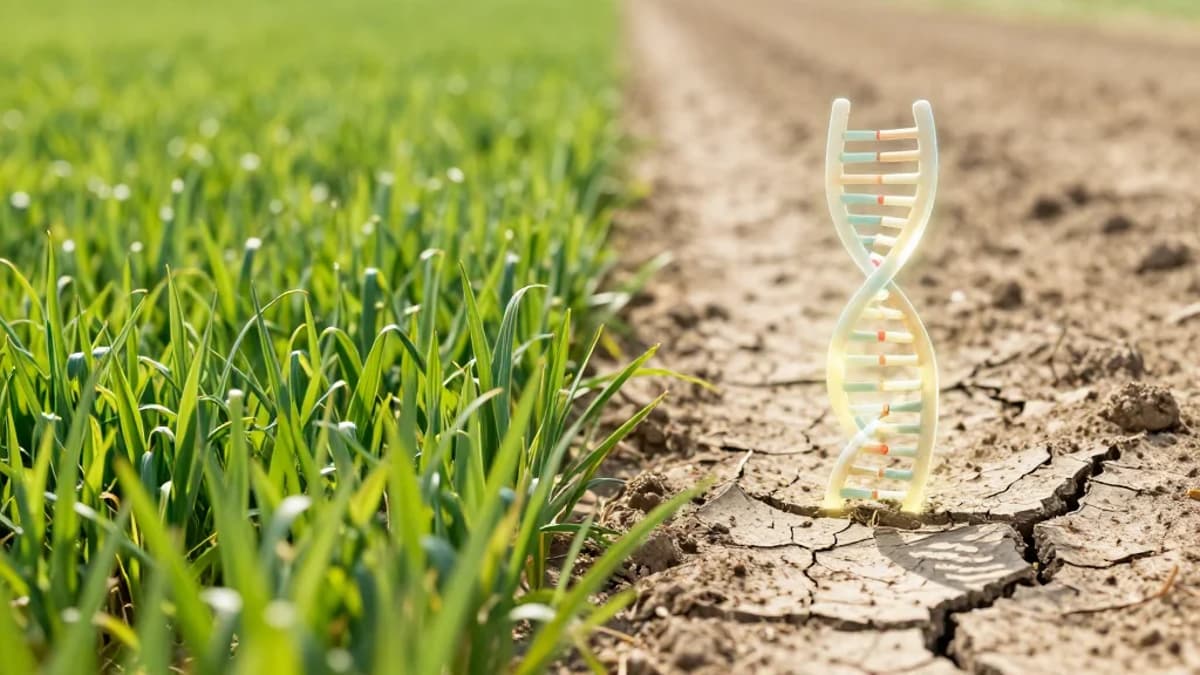
Researchers Urge Unified Approach to Sustainable Agriculture Innovation and Policy Reform
•January 13, 2026
0
Why It Matters
The proposal links technological advances with policy design, offering a roadmap to reduce agriculture’s environmental footprint without compromising food security. Successful implementation could set a global benchmark for sustainable food production.
Key Takeaways
- •Unified innovation vision needed for sustainable agriculture
- •Policy incentives crucial for farmer adoption of green tech
- •Satellite data and AI enable rapid impact assessment
- •Risks include power concentration and misguided regulations
- •Business models must align profitability with environmental goals
Pulse Analysis
Global food production now exceeds any historical level, yet the sector remains a leading source of greenhouse‑gas emissions, soil degradation and biodiversity loss. Traditional incremental fixes have proved insufficient because they address symptoms rather than the underlying system. The Bonn research team proposes a “rot‑and‑branch” strategy that starts with a shared vision of sustainable agriculture, then selects technologies—such as precision sensors, autonomous robots, and AI‑driven analytics—that fit that vision. High‑resolution satellite imagery and real‑time farm data now provide the evidence base needed to evaluate these tools at scale.
Turning vision into practice hinges on policy frameworks that make green investments financially attractive. Strengthening environmental regulations can tilt the cost‑benefit balance away from fossil‑intensive inputs, while targeted agri‑environmental payments reward early adopters and lower perceived risk. Public‑private partnerships can accelerate market creation, allowing startups and equipment manufacturers to scale solutions without bearing the full burden of research and rollout. Aligning business models with profitability ensures that farmers see immediate returns, preserving food affordability while meeting climate targets.
The authors caution that technology alone cannot solve the challenge. Concentrated ownership of digital platforms could marginalize smallholders, and overly prescriptive policies risk stifling innovation. Moreover, an exclusive focus on automation may distract from necessary changes in consumption patterns and land‑use planning. A balanced approach that couples smart farming with robust governance, transparent data sharing, and behavioral incentives will mitigate these risks. If Europe can harmonize these elements, it could export a replicable blueprint for sustainable agriculture worldwide.
Researchers urge unified approach to sustainable agriculture innovation and policy reform
0
Comments
Want to join the conversation?
Loading comments...