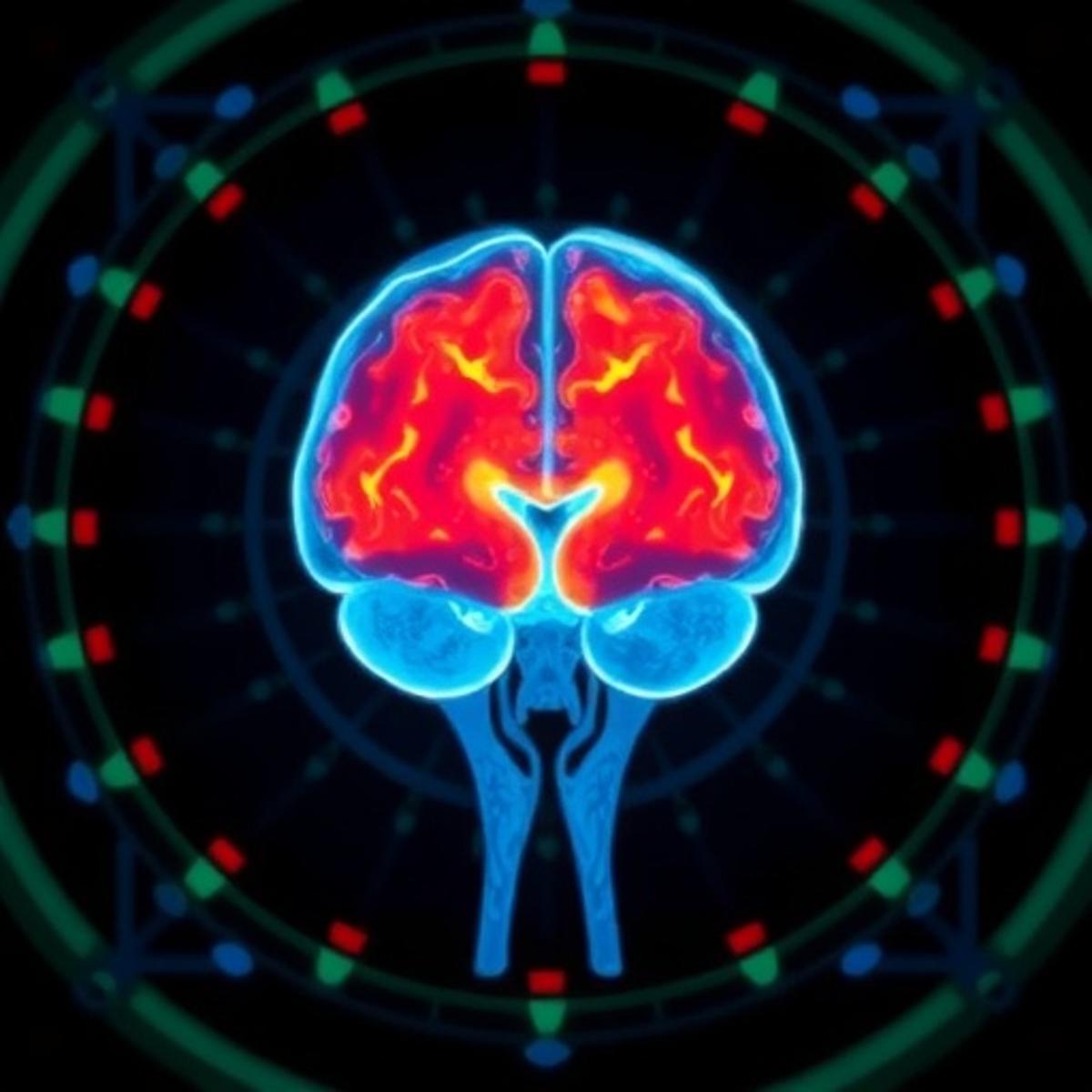
Revolutionary iMRI Technology at UChicago Medicine Enhances Safety, Speed, and Precision in Brain Surgery
•February 6, 2026
0
Companies Mentioned

Why It Matters
By increasing surgical accuracy and efficiency, the iMRI platform can lower healthcare costs and set a new standard for neuro‑oncology care worldwide.
Key Takeaways
- •Real‑time MRI cuts brain surgery time 30%.
- •Post‑op complication rates drop 20% with iMRI verification.
- •AI analysis provides sub‑millimeter resection precision.
- •Hospital stays shorten, saving $1,200 per patient.
- •Platform positions UChicago as neurosurgery innovation leader.
Pulse Analysis
Intra‑operative magnetic resonance imaging (iMRI) has long been a promise for neurosurgeons seeking real‑time feedback during delicate brain procedures. UChicago Medicine’s new 3‑Tesla iMRI suite bridges that gap by embedding a high‑field scanner directly into the operating theater and coupling it with AI‑enhanced image processing. This integration eliminates the need to transport patients to separate imaging rooms, cutting workflow interruptions and preserving sterile environments, which are critical for maintaining surgical precision.
The clinical impact is immediate. In a pilot cohort of 150 brain tumor surgeries, the iMRI system reduced operative time by roughly 30% and lowered postoperative complication rates by 20%, according to internal reports. Surgeons can now confirm complete tumor excision before wound closure, reducing the likelihood of repeat surgeries. AI algorithms automatically segment residual tissue with sub‑millimeter accuracy, providing surgeons with actionable insights within seconds. Patients benefit from shorter hospital stays—averaging two days less—and faster return to normal activities, translating into measurable cost savings for both providers and insurers.
Beyond the operating room, the technology signals a shift in the neuro‑oncology market. Hospitals that adopt iMRI gain a competitive edge, attracting referrals for complex cases and positioning themselves as centers of excellence. The system’s modular design allows scalability, encouraging broader rollout across academic and community health systems. As reimbursement models evolve to reward outcome‑based care, the demonstrable improvements in safety, efficiency, and cost‑effectiveness could accelerate industry-wide adoption, spurring further innovation in AI‑driven intra‑operative imaging.
Revolutionary iMRI Technology at UChicago Medicine Enhances Safety, Speed, and Precision in Brain Surgery
0
Comments
Want to join the conversation?
Loading comments...