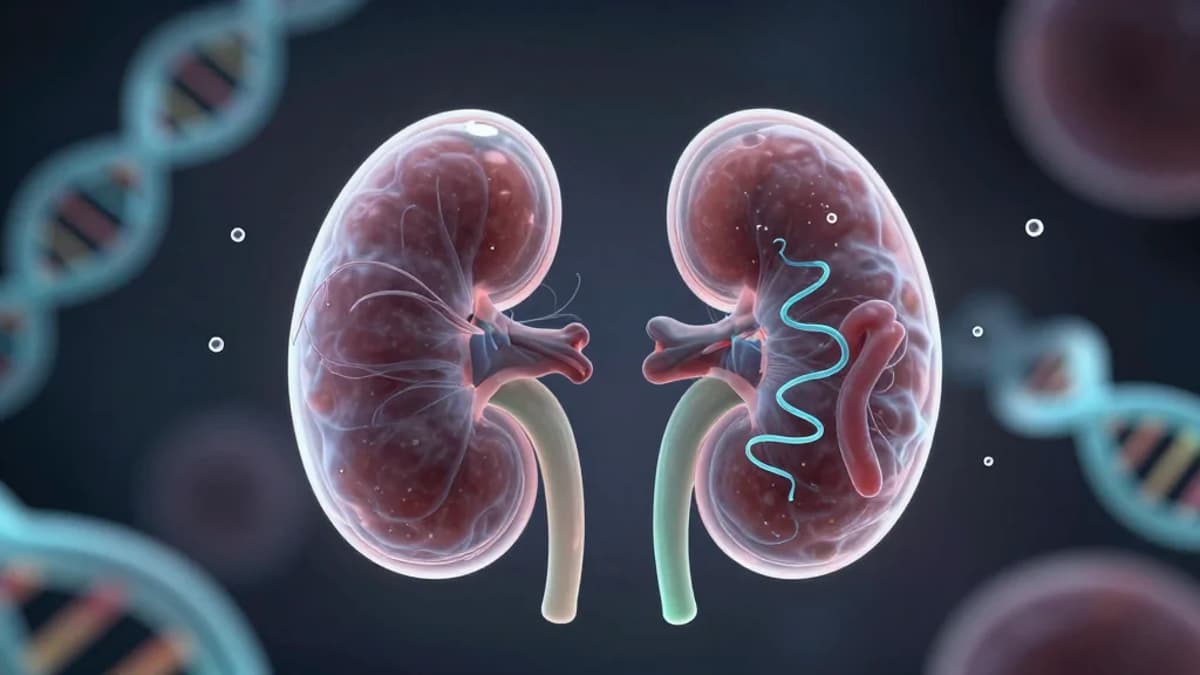
Revolutionizing Kidney Transplant Monitoring with Non-Invasive Biomarkers
•February 3, 2026
0
Why It Matters
By enabling earlier detection of rejection without biopsy, these biomarkers can lower complication rates and healthcare costs, accelerating the shift toward personalized transplant care.
Key Takeaways
- •Non‑invasive biomarkers reduce need for kidney biopsies
- •cfDNA levels predict acute rejection early
- •Urine microRNA profiles indicate graft injury
- •Protein markers provide rapid damage signals
- •Validation and standardisation remain critical hurdles
Pulse Analysis
The global shortage of donor kidneys has placed unprecedented pressure on transplant programs to maximize graft longevity while minimizing patient risk. For decades, clinicians have relied on protocol biopsies—an invasive, costly, and complication‑prone gold standard—to assess rejection. Recent advances in molecular diagnostics, however, are turning that paradigm on its head. Non‑invasive biomarkers, detectable in blood, urine, or even saliva, promise rapid, repeatable assessments that can be performed in outpatient settings. This shift not only reduces procedural morbidity but also aligns with value‑based care models seeking lower overall costs.
Among the most promising signals are circulating cell‑free DNA, urine‑derived microRNAs, and injury‑related protein panels. Donor‑derived cfDNA spikes when cellular damage occurs, offering a quantifiable early‑warning of acute rejection before clinical symptoms emerge. Simultaneously, specific microRNA signatures in urine reflect gene‑expression changes linked to graft inflammation, enabling personalized risk stratification. Protein markers such as neutrophil gelatinase‑associated lipocalin rise promptly after tubular injury, furnishing clinicians with actionable data within hours. Together, these modalities create a multimodal monitoring toolkit that can be integrated into routine post‑operative visits, dramatically shortening the diagnostic timeline.
Despite the clinical promise, widespread adoption hinges on rigorous validation, standardised assay protocols, and clear regulatory pathways. Large‑center trials are needed to define sensitivity, specificity, and actionable thresholds across diverse patient populations. Moreover, the collection of genomic data raises privacy and consent issues that must be addressed through robust ethical frameworks. If these hurdles are cleared, non‑invasive biomarker panels could democratise transplant surveillance, extending high‑quality monitoring to remote clinics and reducing disparities in outcomes. Ultimately, the technology could reshape transplant economics by cutting biopsy costs and improving long‑term graft survival.
Revolutionizing Kidney Transplant Monitoring with Non-Invasive Biomarkers
0
Comments
Want to join the conversation?
Loading comments...