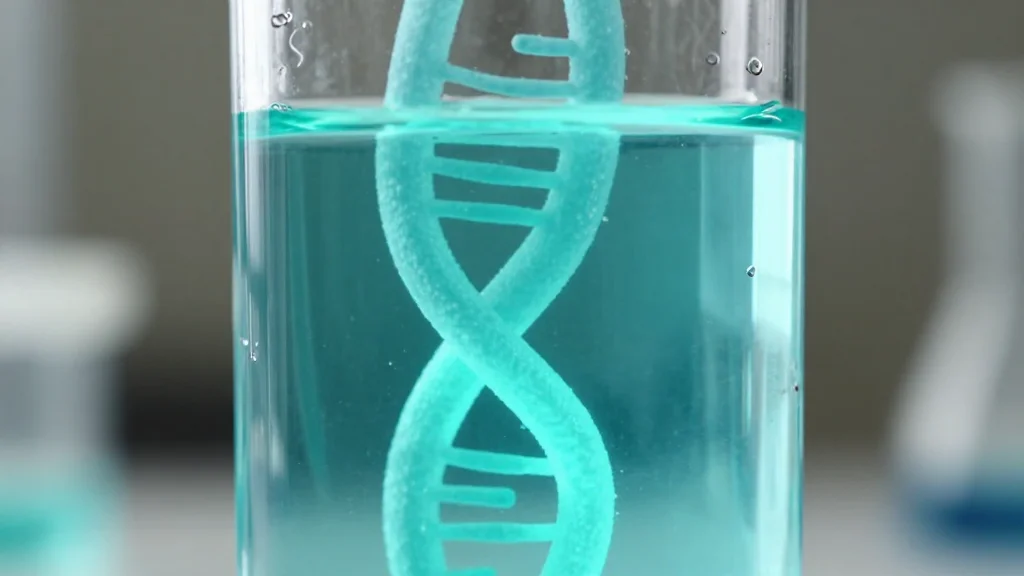
Scientists Turn AI-Generated Proteins Into Smart Molecular Sensors
Why It Matters
AI‑generated protein switches dramatically expand the design space for biosensors, enabling faster, cheaper detection solutions across healthcare and environmental markets. Their ability to operate in living cells and generate electrical signals paves the way for portable diagnostic devices and smart engineered organisms.
Key Takeaways
- •AI-designed proteins act as molecular switches detecting specific targets
- •Switches generate color, light, or electrical signals for biosensing
- •No large conformational change needed; subtle motion triggers activity
- •Demonstrated in bacteria and electrochemical steroid sensor
- •Enables low‑cost, portable diagnostics and environmental monitoring
Pulse Analysis
The convergence of machine learning and synthetic biology is reshaping how scientists create functional biomolecules. Traditional protein engineering relied on modifying naturally occurring scaffolds, limiting the diversity of sensors that could be built. By training algorithms on vast structural datasets, researchers at QUT generated entirely novel binding domains that can be paired with enzymatic reporters, bypassing the constraints of evolutionary templates. This AI‑driven approach accelerates the design cycle from years to months, delivering bespoke molecular tools for specific targets.
In the Nature Biotechnology study, the team linked AI‑designed receptors to enzymes that produce easily measurable outputs—color shifts, luminescence, or electrochemical signals. Crucially, they demonstrated that binding of the target molecule induces only subtle dynamic changes, sufficient to switch enzymatic activity on. This challenges the long‑standing notion that effective biosensors must undergo large conformational rearrangements. The proof‑of‑concept includes bacterial cells that light up in response to small molecules and an electrode‑based sensor that detects steroids with a clear electrical readout, showcasing versatility across platforms.
The implications for industry are profound. Low‑cost, plug‑and‑play protein switches could power next‑generation point‑of‑care diagnostics, reducing reliance on expensive antibodies and complex assay kits. Environmental agencies could deploy portable sensors for pollutants, while biotech firms might embed these switches in engineered microbes that respond to chemical cues, enabling smart biomanufacturing. As AI models improve and scale, the market for customizable biosensors is poised for rapid growth, positioning AI‑designed proteins as a cornerstone of future diagnostic and monitoring technologies.
Scientists turn AI-generated proteins into smart molecular sensors
Comments
Want to join the conversation?
Loading comments...