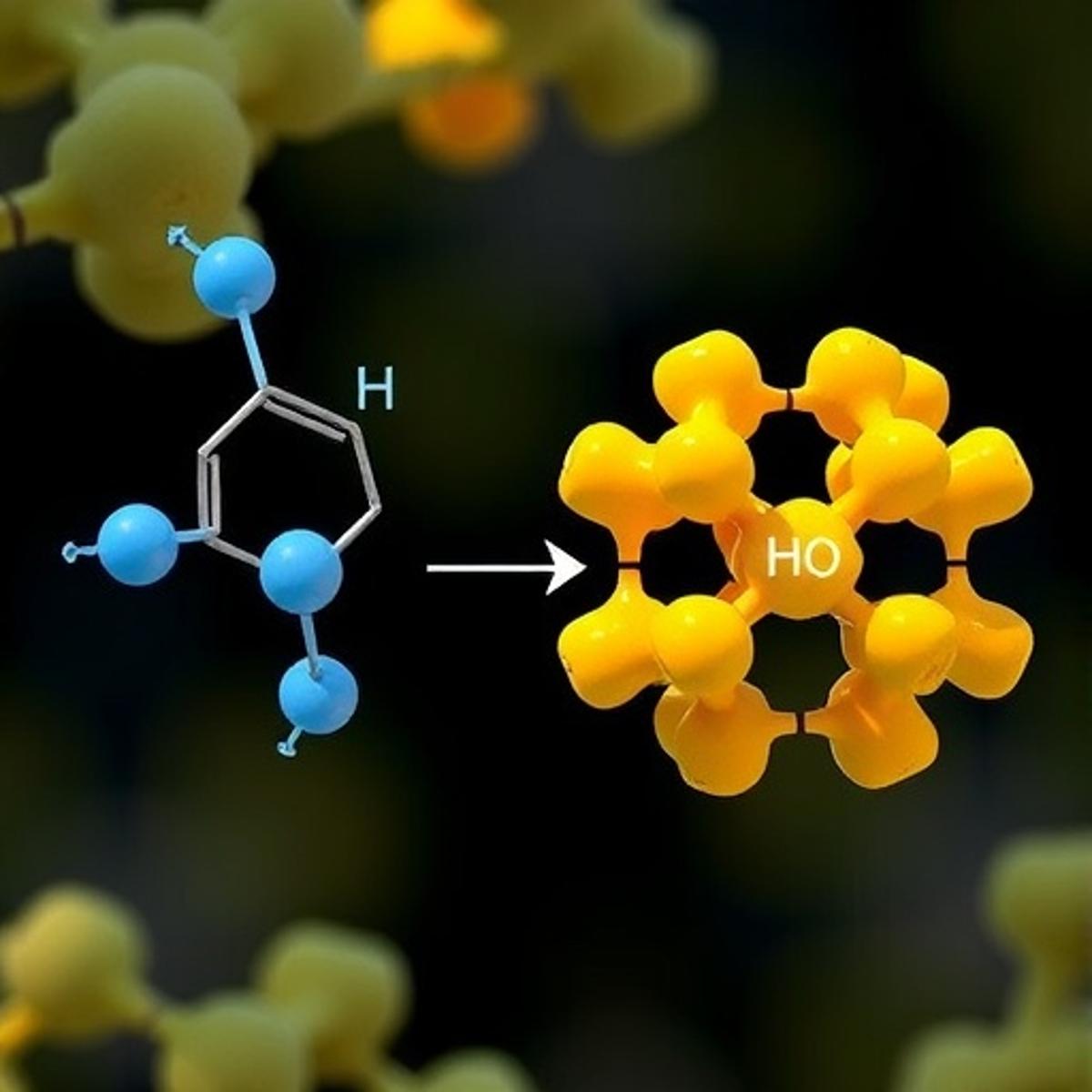
Selective GlcNAc to GalNAc Epimerization via Kinetic Control
•January 15, 2026
0
Why It Matters
These breakthroughs accelerate drug discovery pipelines and expand the toolkit for precise molecular engineering, impacting pharma, materials science, and neonatal care. The innovations signal a shift toward more sustainable, selective, and biologically compatible processes.
Key Takeaways
- •Thermal [2+2] cycloaddition creates gem‑difluoro bicycloalkanes
- •Cobalt siloxycarbene catalysis enables thioester coupling
- •Homologative difunctionalization expands alkene functionalization
- •Biocompatible ligand allows safe in‑cell protein arylation
- •Caffeine shows neuroprotective effects in preterm infants
Pulse Analysis
The synthetic chemistry community is witnessing a renaissance in selective bond construction, exemplified by the thermal [2+2] cycloaddition that furnishes gem‑difluoro bicycloalkanes with high stereocontrol. Such fluorinated scaffolds are prized in pharmaceutical design for enhancing metabolic stability and membrane permeability, positioning this method as a valuable addition to medicinal chemists’ arsenals. Meanwhile, cobalt‑catalyzed siloxycarbene pathways provide a milder, cost‑effective route to thioesters, circumventing traditional harsh reagents and opening avenues for late‑stage functionalization of complex molecules.
Parallel advances in alkene chemistry are redefining how chemists approach molecular diversification. The newly reported homologative difunctionalization technique leverages kinetic control to install two distinct functional groups across an alkene in a single step, dramatically reducing synthetic sequences. This efficiency not only cuts material waste but also accelerates the generation of diverse compound libraries, a critical factor for high‑throughput screening in drug discovery. The method’s broad substrate tolerance suggests applicability across agrochemicals, polymers, and specialty chemicals.
Beyond pure chemistry, the integration of biocompatible ligands for in‑cell protein arylation marks a convergence of synthetic methodology with cellular biology, enabling precise protein modifications without compromising cell viability. Such tools are poised to transform functional proteomics and therapeutic protein engineering. Concurrently, emerging biomedical findings, like caffeine’s neuroprotective impact on preterm infants, underscore the importance of interdisciplinary research linking molecular insights to clinical outcomes. Collectively, these innovations reflect a trend toward greener, more selective, and biologically relevant technologies that will shape the next generation of products and therapies.
Selective GlcNAc to GalNAc Epimerization via Kinetic Control
0
Comments
Want to join the conversation?
Loading comments...