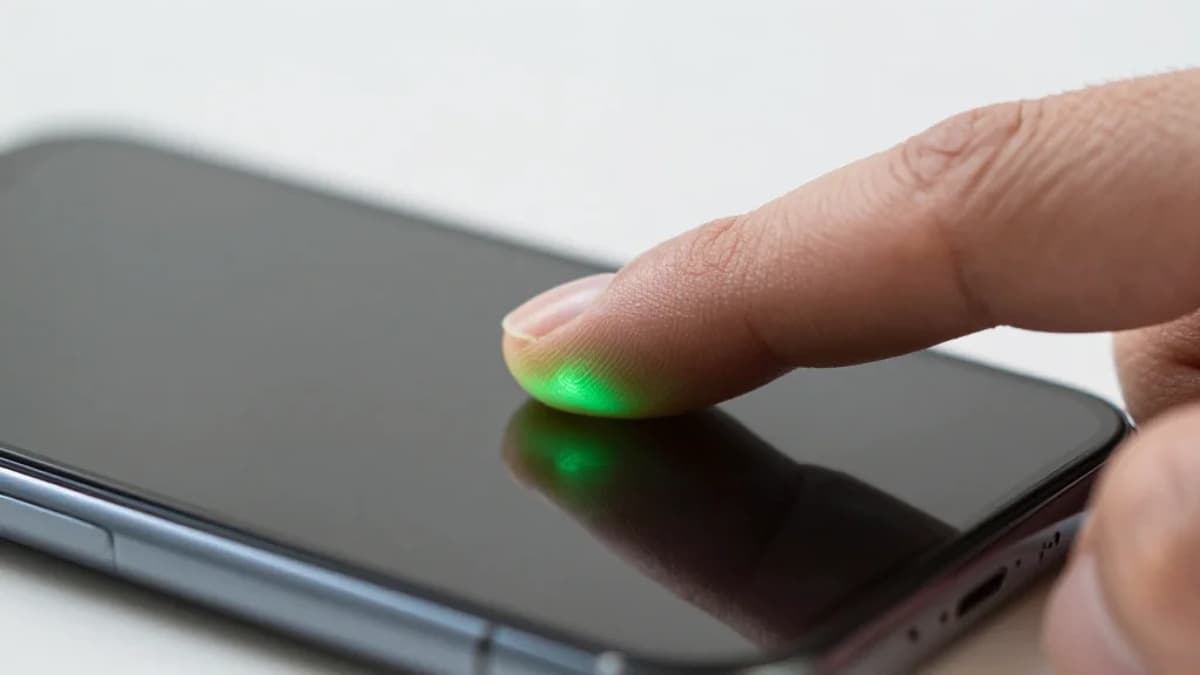
Smartphone Measures Vasomotor Function via Fingertip Elasticity
•January 14, 2026
0
Why It Matters
This capability transforms cardiovascular risk screening from clinic‑based tests to everyday devices, accelerating early detection and personalized prevention. It also creates a scalable data source for public‑health initiatives.
Key Takeaways
- •Smartphone uses green-light PPG to gauge fingertip elasticity
- •Elasticity correlates with early cardiovascular risk markers
- •Volume‑oscillometric analysis adds pressure‑wave insight
- •Enables at‑home vascular monitoring without clinical equipment
- •Supports large‑scale public health data collection
Pulse Analysis
The convergence of photoplethysmography and mobile computing has turned smartphones into viable biomedical sensors. Green‑light PPG, already embedded in many devices for heart‑rate monitoring, can penetrate deeper into capillary beds, allowing precise measurement of blood‑volume changes at the fingertip. By coupling this optical signal with the volume‑oscillometric method, researchers extract the elastic response of arterioles, a metric traditionally reserved for laboratory‑grade equipment. This approach leverages existing hardware, eliminating the need for dedicated cuffs or ultrasound probes, and opens the door for continuous, low‑cost vascular assessment.
Arteriolar elasticity is a sensitive indicator of endothelial health and early atherosclerotic changes, making it valuable for cardiovascular risk stratification. Detecting subtle stiffening through a daily smartphone test could prompt clinicians to intervene before hypertension or plaque formation becomes clinically apparent. Moreover, the data can feed personalized algorithms that adjust lifestyle recommendations, medication dosing, or referral timing, aligning with the shift toward precision medicine. For patients with family histories of heart disease, routine at‑home monitoring offers a proactive tool that complements traditional check‑ups and reduces reliance on episodic testing.
The commercial implications are equally compelling. Smartphone manufacturers and health‑app developers can embed vasomotor analytics into existing platforms, creating new revenue streams and differentiating products in a crowded market. Large‑scale deployment would generate anonymized vascular datasets, empowering public‑health agencies to map regional cardiovascular risk and allocate resources more efficiently. However, regulatory clearance, data privacy safeguards, and clinical validation across diverse populations will be critical to gaining physician trust. Partnerships between biotech firms, device makers, and insurers could accelerate adoption, positioning the technology as a cornerstone of future preventive‑care ecosystems.
Smartphone Measures Vasomotor Function via Fingertip Elasticity
0
Comments
Want to join the conversation?
Loading comments...