Spray Shield Adhering to Transplant Organs Could Ease Lifelong Immunosuppressant Burden for Patients
•March 6, 2026
0
Companies Mentioned
Why It Matters
Localized delivery cuts lifelong immunosuppressant side effects, improving patient outcomes and expanding the feasibility of xenotransplantation while offering a versatile platform for other targeted therapies.
Key Takeaways
- •Sprayable microgel delivers immunosuppressants locally.
- •Mussel‑derived adhesive ensures coating adheres in wet environments.
- •Preclinical xenotransplants doubled graft survival versus systemic drugs.
- •Reduces systemic toxicity and infection risk for patients.
- •Platform adaptable to wound healing and localized cancer therapy.
Pulse Analysis
Organ transplantation saves countless lives, yet the chronic reliance on systemic immunosuppressants creates a paradox: while these drugs prevent graft rejection, they also suppress the patient’s overall immune defenses, leading to infections, nephrotoxicity, and reduced quality of life. The shortage of donor organs intensifies the pressure to adopt xenotransplantation, but immune barriers remain a formidable obstacle. Clinicians therefore seek delivery methods that concentrate immunosuppression at the graft interface without exposing the whole body, a need that has driven recent bio‑engineering innovations.
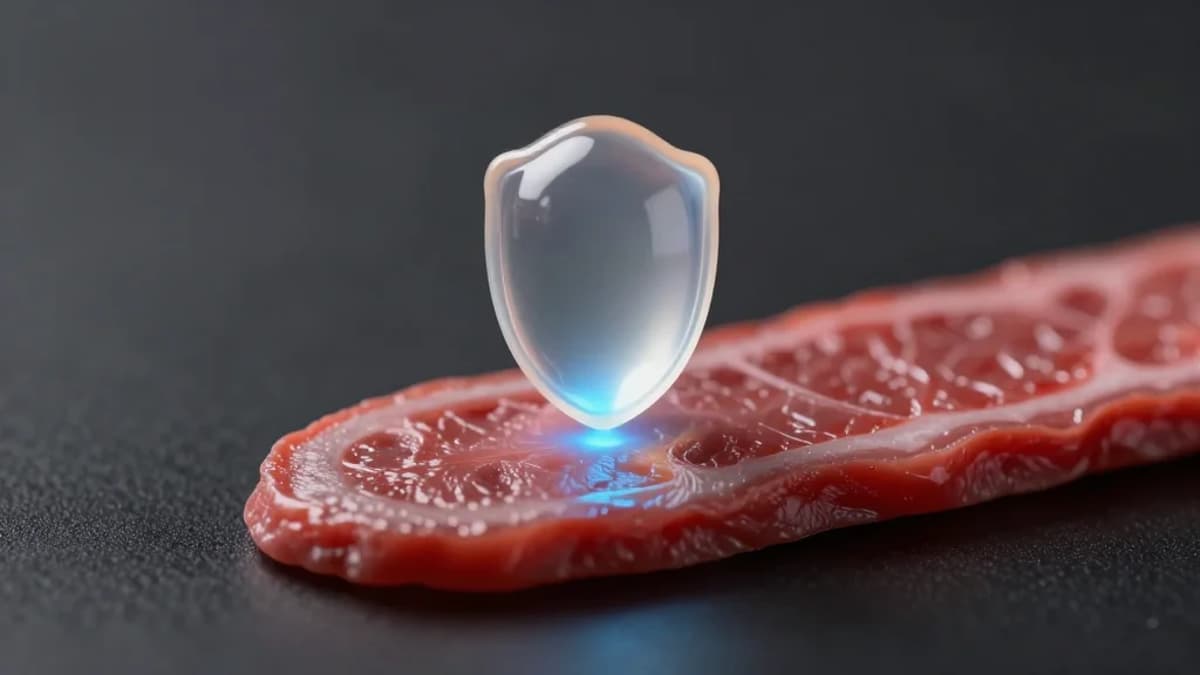
The newly unveiled “Immune‑Shield” tackles this problem with a sprayable microgel infused with mussel‑derived adhesive proteins. When applied to an organ’s moist surface, the microgel forms an invisible, water‑resistant film that adheres tightly and releases immunosuppressive agents in a controlled manner. Preclinical xenotransplant studies reported more than a two‑fold increase in graft survival compared with traditional systemic dosing, while histology showed markedly reduced immune cell infiltration. The facile spray technique also accommodates complex organ geometries, eliminating the uneven coverage issues that plague conventional coatings.
Beyond extending graft longevity, Immune‑Shield promises a paradigm shift for the transplant market, potentially lowering lifetime drug costs and decreasing hospitalizations linked to drug‑induced complications. Its underlying adhesive microgel platform is adaptable to other medical fields, such as chronic wound management, scaffold‑based tissue engineering, and localized oncology, opening new revenue streams for biotech firms. As the technology moves toward clinical trials, regulatory scrutiny will focus on biocompatibility and long‑term safety, but the convergence of materials science and immunology positions Immune‑Shield as a compelling candidate to redefine post‑transplant care.
Spray Shield Adhering to Transplant Organs Could Ease Lifelong Immunosuppressant Burden for Patients
0
Comments
Want to join the conversation?
Loading comments...