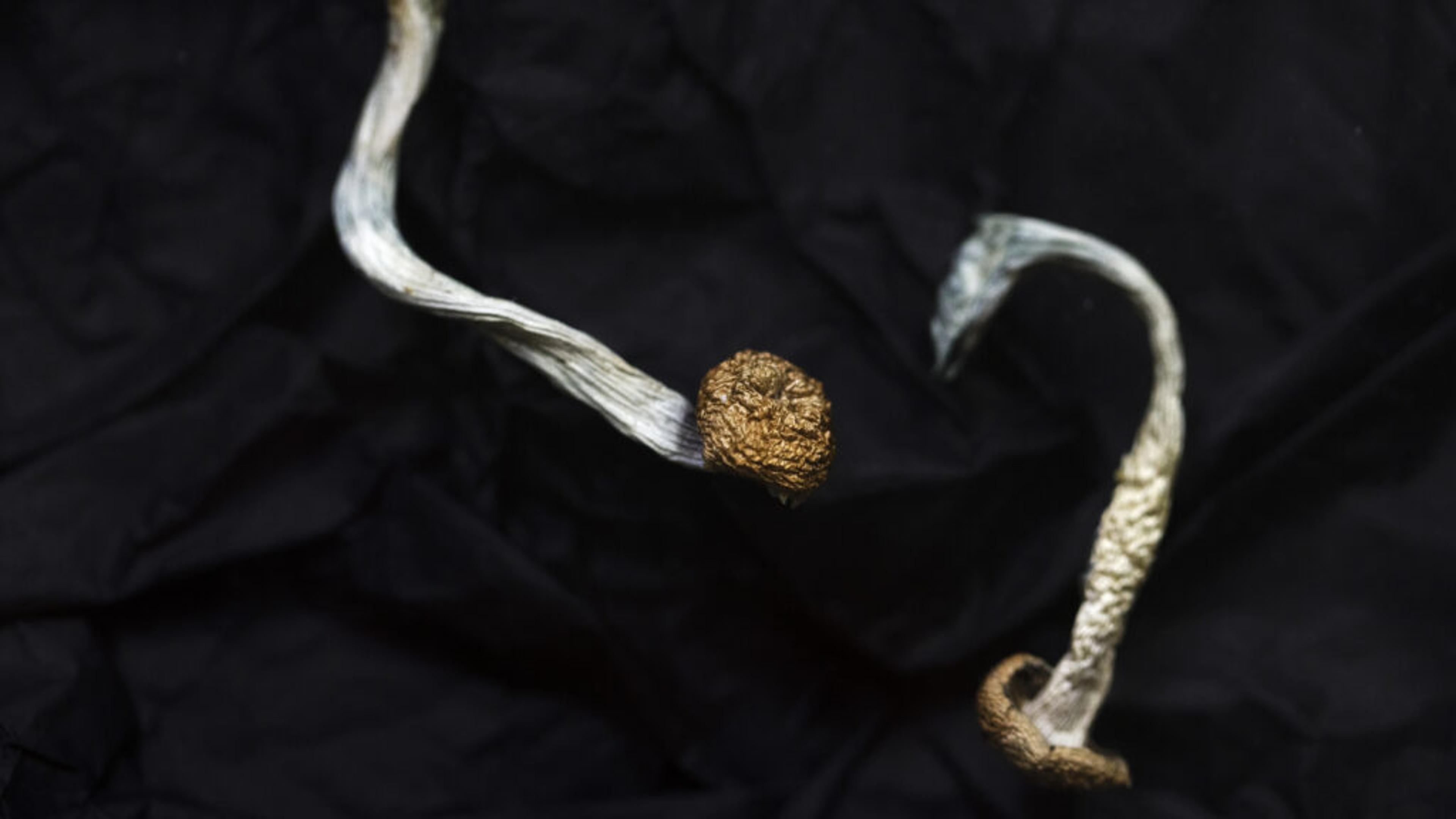
STAT+: Compass Says Its Psilocybin Drug Helped Patients with Severe Depression in Two Trials
•February 17, 2026
0
Why It Matters
Successful approval would introduce a novel, single‑dose psychedelic treatment, potentially reshaping depression care and expanding the mental‑health pharmaceutical market.
Key Takeaways
- •Phase 3 trials show significant depression score reduction
- •COMP360 may become first FDA‑approved psilocybin drug
- •Efficacy comparable to existing psychedelic Spravato
- •Regulatory approval still hinges on detailed data
- •Market competition and pricing remain uncertain
Pulse Analysis
The mental‑health sector has turned its attention to psychedelics after a decade of research demonstrating rapid, durable relief for treatment‑resistant conditions. Psilocybin, the active compound in “magic mushrooms,” has moved from academic labs to late‑stage clinical programs, buoyed by favorable safety profiles and a mechanistic rationale that differs from traditional antidepressants. In 2023 the FDA granted Breakthrough Therapy designation to several psilocybin candidates, signaling regulatory openness. This backdrop sets the stage for companies like Compass Pathways to seek the first market‑ready psilocybin product.
Compass Pathways reported data from two identical Phase 3 studies of its synthetic formulation, COMP360, in patients with severe major depressive disorder. Both trials met their primary endpoint, with the active arm achieving a statistically significant reduction in Montgomery‑Åsberg Depression Rating Scale scores versus placebo‑controlled psychotherapy. While the magnitude of improvement was modest compared with Johnson & Johnson’s esketamine nasal spray (Spravato), experts note that the single‑dose regimen and rapid onset could differentiate COMP360. The FDA’s next step will be a thorough review of safety, durability and real‑world applicability before granting approval.
If approved, COMP360 would enter a nascent market where pricing, reimbursement and provider training are still undefined. Payers may view the single‑administration model as cost‑effective, yet the need for supervised dosing sessions could limit scalability. Competitors are racing to file their own psilocybin applications, raising questions about market share and differentiation. For investors, Compass’s data de‑risk the pathway but also highlight the importance of post‑approval studies to prove long‑term benefits. Ultimately, a successful launch could reshape depression treatment paradigms and accelerate broader acceptance of psychedelic medicines.
STAT+: Compass says its psilocybin drug helped patients with severe depression in two trials
Results support FDA approval, but it’s unclear how competitive the treatment will be · By Elaine Chen · Feb. 17, 2026
Compass Pathways on Tuesday disclosed results from two Phase 3 studies that support a potential approval of its psilocybin treatment for severe depression, but more detailed data are needed to determine how beneficial the drug would be for patients.
In both trials, patients who received the company’s psychedelic medicine saw greater improvements on a measure of depression than the control group, Compass said in a press release. Its drug, called COMP360, could be the first psilocybin product on the market and the second psychedelic approved after Johnson & Johnson’s Spravato, a ketamine derivative.
Taken together, the data “probably meets the bar for approval. It doesn’t shout out to you that this is miraculous,” said Jerry Rosenbaum, director of Massachusetts General Hospital’s Center for Neuroscience of Psychedelics, who was not involved with the study.
0
Comments
Want to join the conversation?
Loading comments...