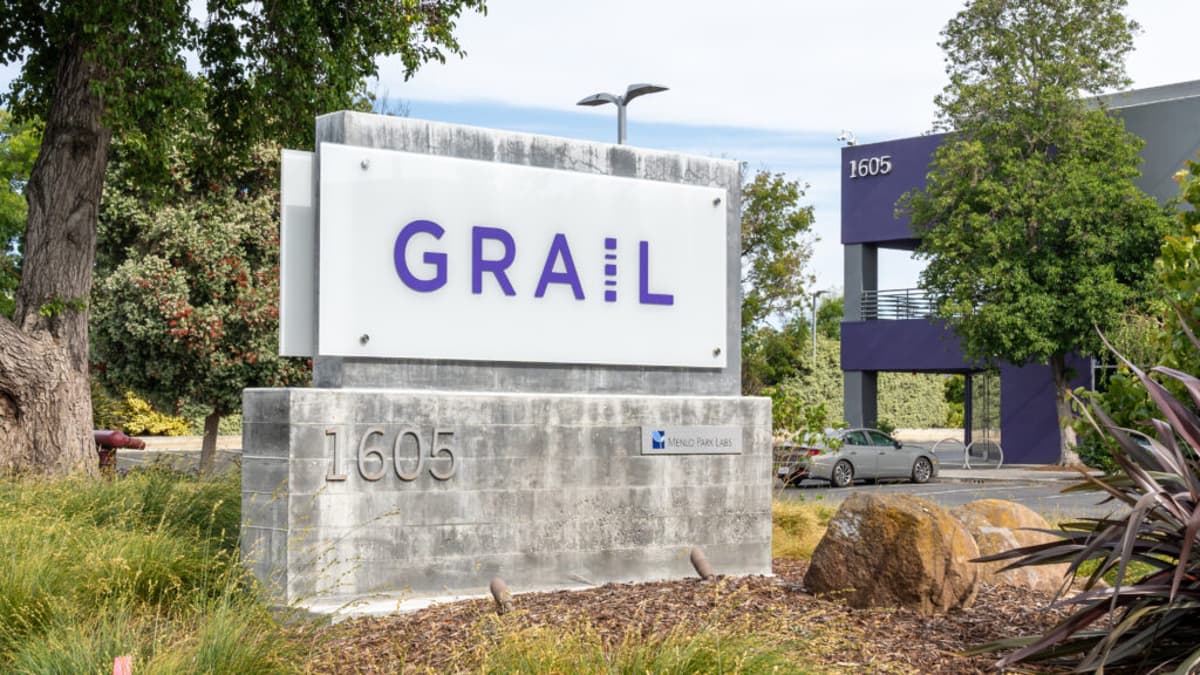
STAT+: Key Study of Grail’s Cancer Detection Test Fails in Setback for Company
•February 19, 2026
0
Why It Matters
The miss undermines confidence in multi‑cancer blood screening, slowing investor support and potentially delaying regulatory clearance and market adoption.
Key Takeaways
- •NHS study missed Galleri’s primary detection endpoint
- •185,000 tests sold in 2025, $136.8M revenue
- •Test not yet FDA‑approved, priced $1,000 per assay
- •Shares plunged 47% after results announced
- •Industry debate intensifies over multi‑cancer blood screening
Pulse Analysis
Multi‑cancer early‑detection blood tests have been hailed as a potential game‑changer for oncology, promising to identify tumors before symptoms appear and to guide imaging follow‑up. Galleri, Grail’s flagship assay, leverages methylation signatures to flag a broad spectrum of malignancies, positioning the company as a leader in the nascent liquid‑biopsy market. With a $1,000 price tag and a growing commercial footprint, the test attracted significant attention from health systems seeking cost‑effective screening solutions, even as regulators awaited robust efficacy data.
The recent NHS‑backed trial, the largest of its kind, evaluated Galleri’s ability to detect cancers at an early, treatable stage. The study’s primary endpoint—demonstrating a statistically significant reduction in late‑stage diagnoses—was not achieved, prompting Grail to announce the shortfall and triggering a 47% plunge in its stock price. Investors interpreted the miss as a signal that the technology may not yet deliver on its promise at scale, especially given the absence of FDA approval. The financial impact is evident: despite $136.8 million in revenue from 185,000 tests last year, the market reaction underscores the premium placed on clinical validation.
The setback reverberates across the diagnostics sector, where several firms are racing to commercialize similar pan‑cancer platforms. Payers and providers will likely adopt a more cautious stance, demanding clearer evidence of mortality benefit before reimbursement. Meanwhile, Grail may need to refine its assay, pursue additional trials, or focus on narrower cancer panels to regain momentum. The episode also highlights the regulatory tightrope for emerging technologies: balancing rapid innovation with rigorous proof of clinical utility remains essential for sustainable growth in the precision‑medicine landscape.
STAT+: Key study of Grail’s cancer detection test fails in setback for company
0
Comments
Want to join the conversation?
Loading comments...