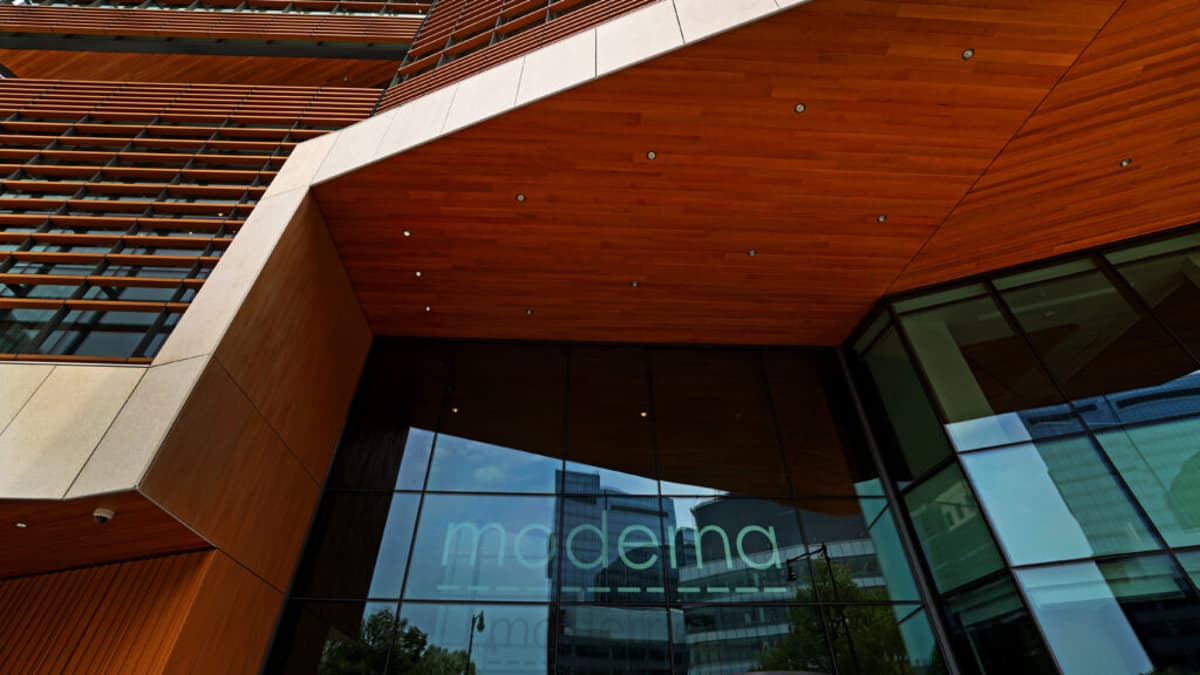
STAT+: The Unusual Prasad Missive in the FDA’s Rejection of the Moderna Flu Shot Application
•February 11, 2026
0
Why It Matters
The FDA’s rejection underscores regulatory uncertainty for next‑generation vaccines, potentially delaying mRNA flu shot deployment. Concurrent policy and pricing pressures could reshape funding and innovation dynamics across the biotech sector.
Key Takeaways
- •FDA rejected Moderna's mRNA flu vaccine application
- •Vinay Prasad criticized FDA's decision in public missive
- •Regulators intensify scrutiny of Hims & Hers products
- •Midsized biotechs fear Trump drug pricing reforms
- •Novartis invests $1.1B in San Diego AI research hub
Pulse Analysis
The FDA’s recent denial of Moderna’s mRNA flu vaccine marks a pivotal moment for the broader vaccine pipeline. While mRNA technology proved its worth during the COVID‑19 pandemic, regulators are now demanding more extensive efficacy and safety data for seasonal influenza applications. This heightened scrutiny may slow market entry, prompting manufacturers to reassess trial designs and invest in additional clinical endpoints to satisfy the agency’s evolving standards.
Beyond the immediate regulatory hurdle, the political climate is reshaping the biotech landscape. President Trump’s aggressive drug‑pricing proposals have alarmed midsized companies that lack the scale to absorb steep price cuts, prompting a coalition that warns of potential bankruptcies. Simultaneously, the FDA’s focus on companies like Hims & Hers reflects a broader push to ensure consumer‑direct health products meet rigorous safety criteria, adding another layer of compliance for emerging players.
In response to these pressures, industry leaders are doubling down on strategic investments. Novartis’s $1.1 billion San Diego hub exemplifies a shift toward AI‑driven drug discovery and a leaner pipeline, aiming to accelerate development while curbing costs. By integrating machine‑learning platforms, firms hope to predict clinical outcomes earlier, reducing the risk of regulatory setbacks. This blend of technological innovation and fiscal prudence may become the new blueprint for biotech firms navigating an increasingly complex regulatory and policy environment.
STAT+: The unusual Prasad missive in the FDA’s rejection of the Moderna flu shot application
0
Comments
Want to join the conversation?
Loading comments...