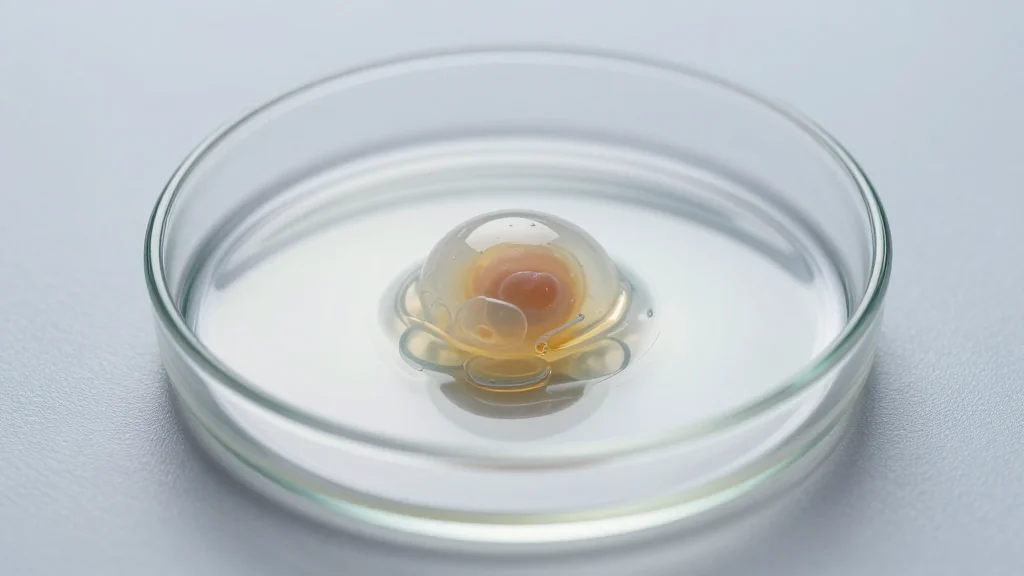
Stem Cell Embryo Model Grows Yolk Sac without Hypoblasts or Gene Editing
Why It Matters
The breakthrough shows epiblast cells can autonomously generate extra‑embryonic tissues, expanding the toolkit for studying early human development and reducing reliance on genetic manipulation. It could accelerate research into implantation failures and congenital disorders.
Key Takeaways
- •Mechanical confinement alone drove epiblast cells to form yolk‑sac‑like structures.
- •Model achieved peak similarity to human embryos at day 8 (≈16‑21 days).
- •15‑20 % efficiency surpasses previous stem‑cell yolk sac models.
- •No hypoblasts or transgenes were required, avoiding ethical concerns.
- •Findings validated using post‑implantation monkey embryos and HNF4A marker.
Pulse Analysis
The study of the first three weeks after fertilization has long been hampered by the 14‑day rule and the scarcity of human embryos. Conventional stem‑cell embryo models can mimic the epiblast and primitive streak, yet they have struggled to generate extra‑embryonic lineages such as the yolk sac without artificial gene edits. This gap limits insight into early nutrient exchange, blood formation, and the causes of early pregnancy loss. By eliminating transgenic interventions, the University of Michigan team offers a more physiologically relevant platform that respects current ethical boundaries.
The researchers employed a simple yet powerful mechanical cue: human pluripotent stem cells were confined to 0.8 mm circular islands that approximate the size of the natural epiblast disc at gastrulation. Exposure to BMP‑4 and endogenous signals prompted self‑organization into a trilaminar structure, with concentric primitive‑streak‑like rings and, unexpectedly, a cavity resembling a yolk sac on the basal side. Approximately 15‑20 % of colonies reached this state by day 8, matching the developmental window of 16‑21 days post‑fertilization—an efficiency markedly higher than previous attempts. Validation using monkey‑embryo benchmarks and the HNF4A marker confirmed true yolk‑sac identity.
The ability to produce yolk‑sac‑like tissue from a single, unmodified stem‑cell population opens new avenues for investigating implantation, early hematopoiesis, and congenital anomalies linked to extra‑embryonic defects. Researchers can now test drug toxicity, screen genetic variants, and explore signaling pathways without the confounding effects of transgenes. The team’s pending patent and search for commercial partners suggest that scalable, ethically compliant embryo‑like models could soon become standard tools in reproductive biology and regenerative medicine, accelerating both basic discovery and translational applications.
Stem cell embryo model grows yolk sac without hypoblasts or gene editing
Comments
Want to join the conversation?
Loading comments...