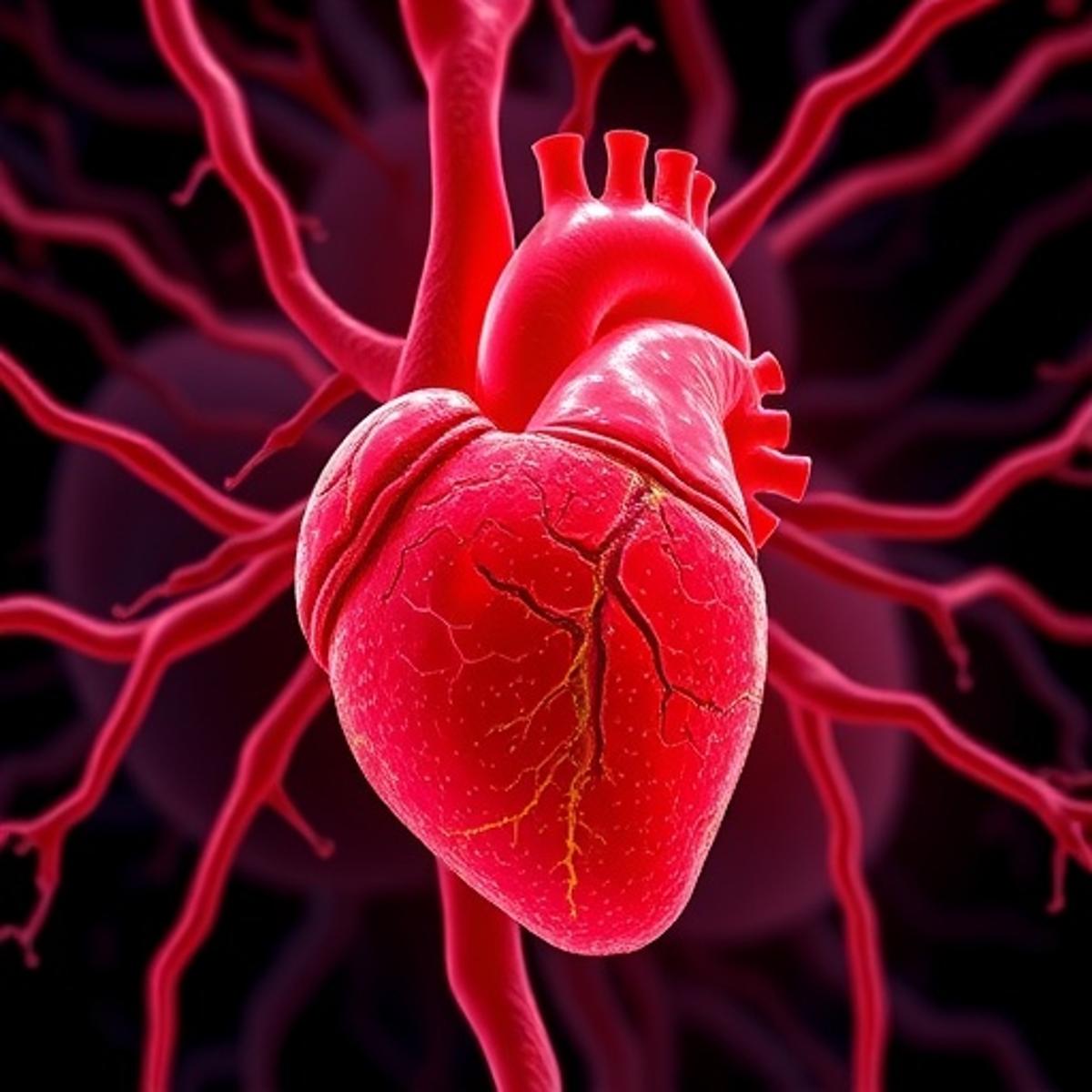
Stem Cell Gym Boosts Human Heart Cell Maturation
•January 17, 2026
0
Why It Matters
Faster, more mature heart cells reduce development timelines for cardiac therapeutics and enhance the predictive power of pre‑clinical studies, addressing a critical bottleneck in biotech pipelines.
Key Takeaways
- •Maturation metrics up 30‑40% versus standard culture
- •Integrates matrix patterning, stretch, and pacing simultaneously
- •Scalable design supports high‑throughput drug testing
- •Potential to lower costs of cardiac disease modeling
- •Improves relevance of in‑vitro cardiotoxicity assays
Pulse Analysis
The Stem Cell Gym represents a convergence of tissue engineering and bio‑automation, tackling the long‑standing challenge of immature phenotypes in stem‑derived cardiomyocytes. By embedding nanoscale topography that mimics native myocardial extracellular matrix, the platform guides cell alignment and sarcomere organization. Coupled with programmable mechanical stretch, the cells experience physiologic strain, prompting structural remodeling that mirrors adult heart tissue. This multi‑modal stimulation is further amplified by synchronized electrical pacing, which drives electrophysiological maturation and stabilizes calcium handling. Together, these cues compress weeks of natural development into days, delivering cells that more accurately recapitulate adult cardiac function.
From a commercial perspective, the technology promises to reshape the drug discovery workflow. Pharmaceutical firms often rely on immature cardiomyocytes that yield false‑positive toxicity signals, inflating R&D costs and delaying candidate progression. The Stem Cell Gym’s high‑throughput format enables parallel testing of hundreds of compounds, delivering mature cells that better predict human cardiac responses. This could shorten pre‑clinical timelines, reduce attrition rates, and accelerate the launch of safer cardiovascular drugs. Moreover, the platform’s modular design allows integration with existing organ‑on‑chip systems, expanding its utility across multi‑organ toxicity assessments.
Beyond pharmaceuticals, the advancement holds implications for regenerative medicine and personalized therapy. Mature patient‑specific cardiomyocytes could serve as graft material for heart failure interventions, offering improved engraftment and functional integration. Researchers can also employ the system to model genetic cardiomyopathies with higher fidelity, facilitating the discovery of novel therapeutic targets. As the biotech ecosystem seeks scalable, reliable cell models, the Stem Cell Gym positions itself as a pivotal tool that bridges basic science and clinical translation.
Stem Cell Gym Boosts Human Heart Cell Maturation
0
Comments
Want to join the conversation?
Loading comments...