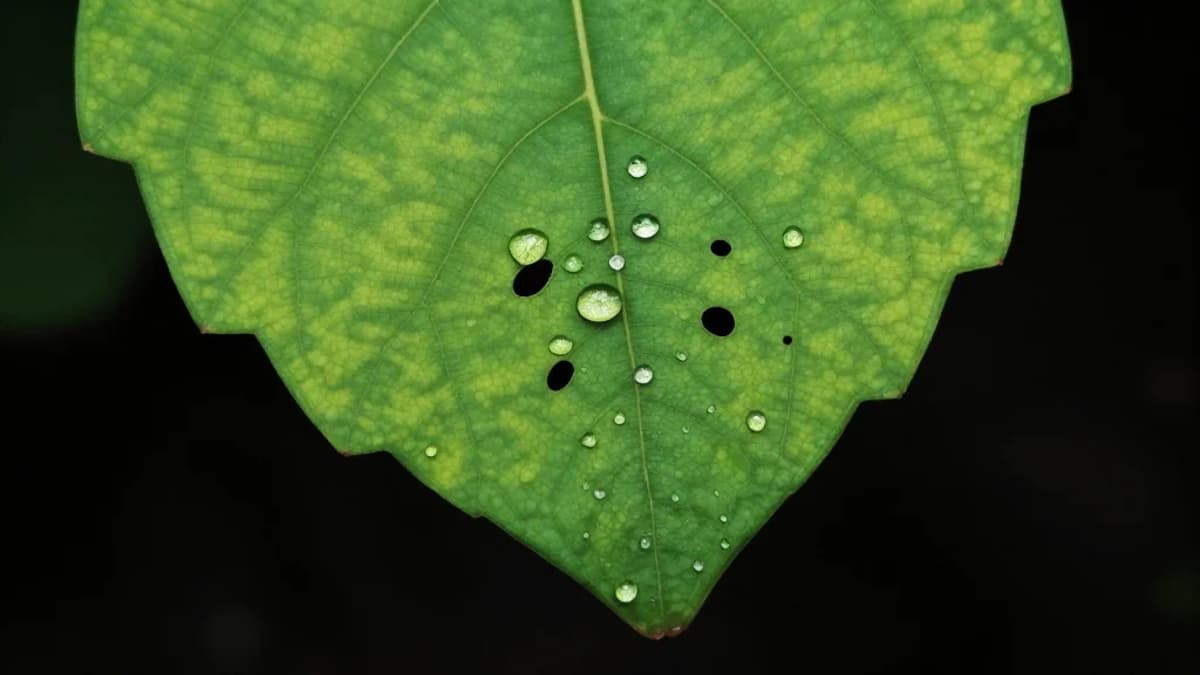
'Stomata In-Sight' System Allows Scientists to Watch Plants 'Breathe' In Real-Time
•January 6, 2026
0
Why It Matters
Real‑time stomatal data bridges a critical gap between laboratory physiology and field‑scale crop performance, informing breeding and climate models. Accurate, rapid measurements accelerate development of drought‑tolerant varieties and improve water‑use forecasts.
Key Takeaways
- •Real‑time imaging captures stomatal dynamics
- •AI‑driven analysis quantifies pore behavior instantly
- •Enables precise water‑use efficiency studies
- •Accelerates breeding for drought‑resistant crops
- •Feeds climate models with accurate transpiration data
Pulse Analysis
Stomata, the microscopic gateways on leaf surfaces, regulate the delicate balance between carbon dioxide intake for photosynthesis and water vapor loss through transpiration. Historically, researchers relied on indirect proxies or slow, static imaging techniques that could not capture the rapid fluctuations occurring in seconds. The new Stomata in‑Sight platform overturns these limitations by delivering continuous, high‑resolution visualizations of pore activity, allowing scientists to observe plant breathing as it happens.
The core of the system integrates high‑speed optical sensors with advanced machine‑learning pipelines that automatically detect, segment, and track individual stomata across thousands of frames per minute. This automation eliminates manual counting errors and provides quantitative metrics such as aperture size, opening frequency, and response latency to environmental cues. By coupling these measurements with simultaneous gas‑exchange data, researchers can directly link stomatal behavior to photosynthetic efficiency and water loss, creating a richer, multidimensional picture of plant physiology.
Beyond basic research, the technology holds strategic value for agriculture and climate science. Breeders can screen candidate varieties for optimal stomatal responses under drought or heat stress, accelerating the development of resilient crops. Meanwhile, agronomists and modelers gain real‑time transpiration data that refines irrigation schedules and improves regional water‑budget forecasts. As climate variability intensifies, tools like Stomata in‑Sight become essential for bridging the gap between plant biology and sustainable resource management.
'Stomata in-Sight' system allows scientists to watch plants 'breathe' in real-time
0
Comments
Want to join the conversation?
Loading comments...