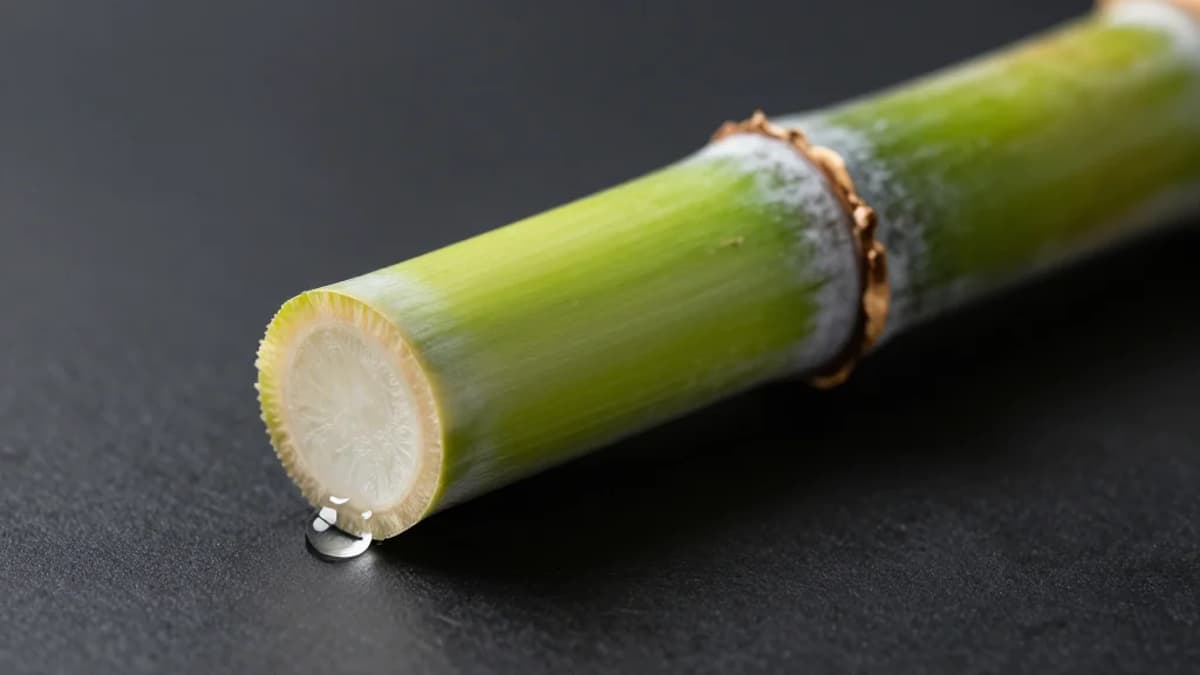
Sugarcane Hits the Sweet Spot for Sustainable Carbon
•January 19, 2026
0
Why It Matters
If sugarcane‑based jet fuel becomes cost‑competitive, airlines can decarbonise without threatening food supplies, reshaping the global aviation market. Australia could capture a lucrative early‑move advantage.
Key Takeaways
- •Sugarcane already produced at scale needed for aviation fuel
- •Algae and canola lack economic or land‑use viability
- •Tiered genetic approach uses rice, sorghum, then sugarcane
- •Queensland's sugarcane industry offers research and market advantage
- •Goal: increase convertible biomass without sacrificing crop yield
Pulse Analysis
Sustainable aviation fuel (SAF) remains the linchpin of aviation’s climate strategy, yet the feedstock dilemma has stalled large‑scale adoption. Sugarcane stands out because it delivers massive per‑hectare yields while occupying a modest land footprint, sidestepping the food‑security concerns that plague canola and the prohibitive capital costs of algae bioreactors. By leveraging an existing global supply chain, sugarcane can feed SAF plants at volumes comparable to current jet‑fuel demand, dramatically shortening the path from pilot projects to commercial viability.
The ARC Research Hub’s tiered genetic program illustrates how modern plant science can accelerate this transition. Rice, a model organism with a tractable genome, serves as the initial testing ground for biomass‑enhancing edits. Successful traits migrate to sorghum—sugarcane’s close relative—allowing rapid validation before tackling the more complex sugarcane genome. This stepwise methodology reduces research risk and speeds up the delivery of high‑conversion varieties, ensuring that yield penalties do not erode the economic case for SAF.
Australia, and specifically Queensland, possesses a unique convergence of factors: an entrenched sugarcane industry, world‑class agronomic research institutions, and a domestic market with high air‑travel demand. These conditions create a fertile environment for scaling sugarcane‑derived SAF, attracting global partners eager to secure low‑carbon jet fuel. As cost curves fall and policy incentives align, sugarcane could become the cornerstone of a resilient, carbon‑neutral aviation sector, offering both environmental benefits and a strategic export opportunity for the region.
Sugarcane hits the sweet spot for sustainable carbon
0
Comments
Want to join the conversation?
Loading comments...