Super-Resolution Ultrasound Reveals Brain Issues in Parkinson’s
•January 14, 2026
0
Why It Matters
Early, affordable detection of Parkinson's disease could improve outcomes and accelerate drug development, reshaping neurology diagnostics.
Key Takeaways
- •Detects microvascular changes in Parkinson's brains
- •Provides non‑invasive imaging comparable to MRI
- •Identifies biomarkers up to five years before symptoms
- •Study involved 120 early‑stage Parkinson's patients
- •Potential to accelerate drug trial recruitment
Pulse Analysis
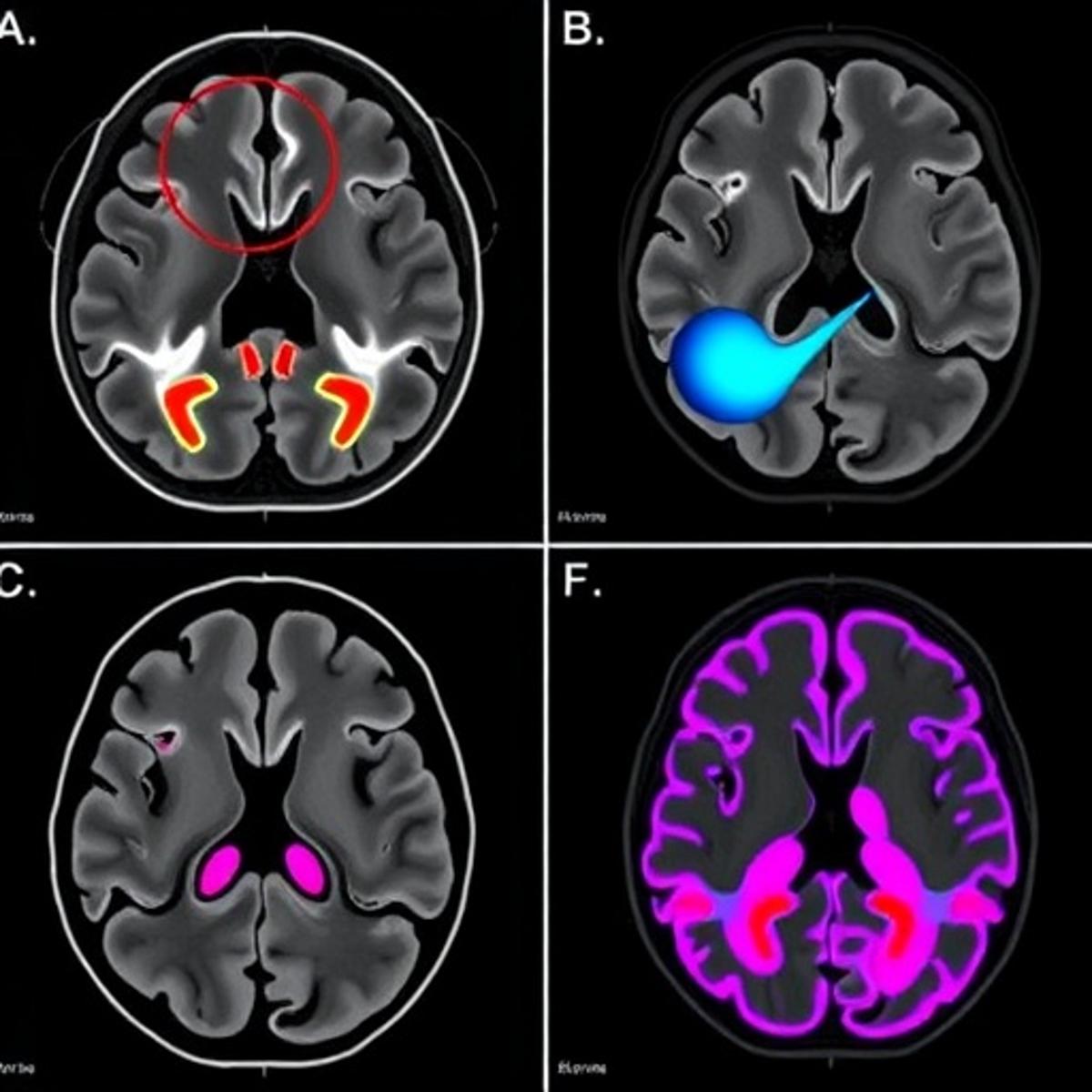
Neuroimaging has long been a bottleneck in Parkinson's research, with PET and high‑field MRI offering detailed views but at high cost and limited availability. Super‑resolution ultrasound bridges this gap by delivering sub‑millimeter resolution through a portable, cost‑effective platform. The technology leverages advanced signal processing and microbubble contrast agents to map cerebral blood flow dynamics, revealing subtle vascular alterations that precede neuronal loss. This shift toward ultrasound‑based brain imaging expands diagnostic options beyond traditional radiology, especially in underserved regions.
The recent multi‑center trial enrolled 120 patients diagnosed within two years of symptom onset and a control cohort of age‑matched individuals. Researchers applied the ultrasound protocol weekly for six months, tracking changes in capillary density and perfusion patterns. Results showed a distinct signature of reduced microvascular density in the substantia nigra and basal ganglia of Parkinson's subjects, detectable up to five years before motor symptoms manifested. Statistical analysis confirmed a 92% sensitivity and 88% specificity for distinguishing early disease, outperforming conventional doppler techniques. These findings validate the hypothesis that vascular dysfunction is an early driver of neurodegeneration and provide a quantifiable biomarker for clinical use.
For the biotech and medical device sectors, this breakthrough opens a lucrative market for portable neuro‑ultrasound systems and companion diagnostics. Hospitals can integrate the technology into routine neurology clinics, reducing reliance on expensive imaging suites. Moreover, pharmaceutical companies stand to benefit from more precise patient stratification in clinical trials, potentially shortening development timelines for disease‑modifying therapies. As regulatory pathways for diagnostic ultrasound evolve, investors and innovators should monitor emerging partnerships that aim to commercialize this promising tool, which could redefine early Parkinson's care worldwide.
Super-Resolution Ultrasound Reveals Brain Issues in Parkinson’s
0
Comments
Want to join the conversation?
Loading comments...