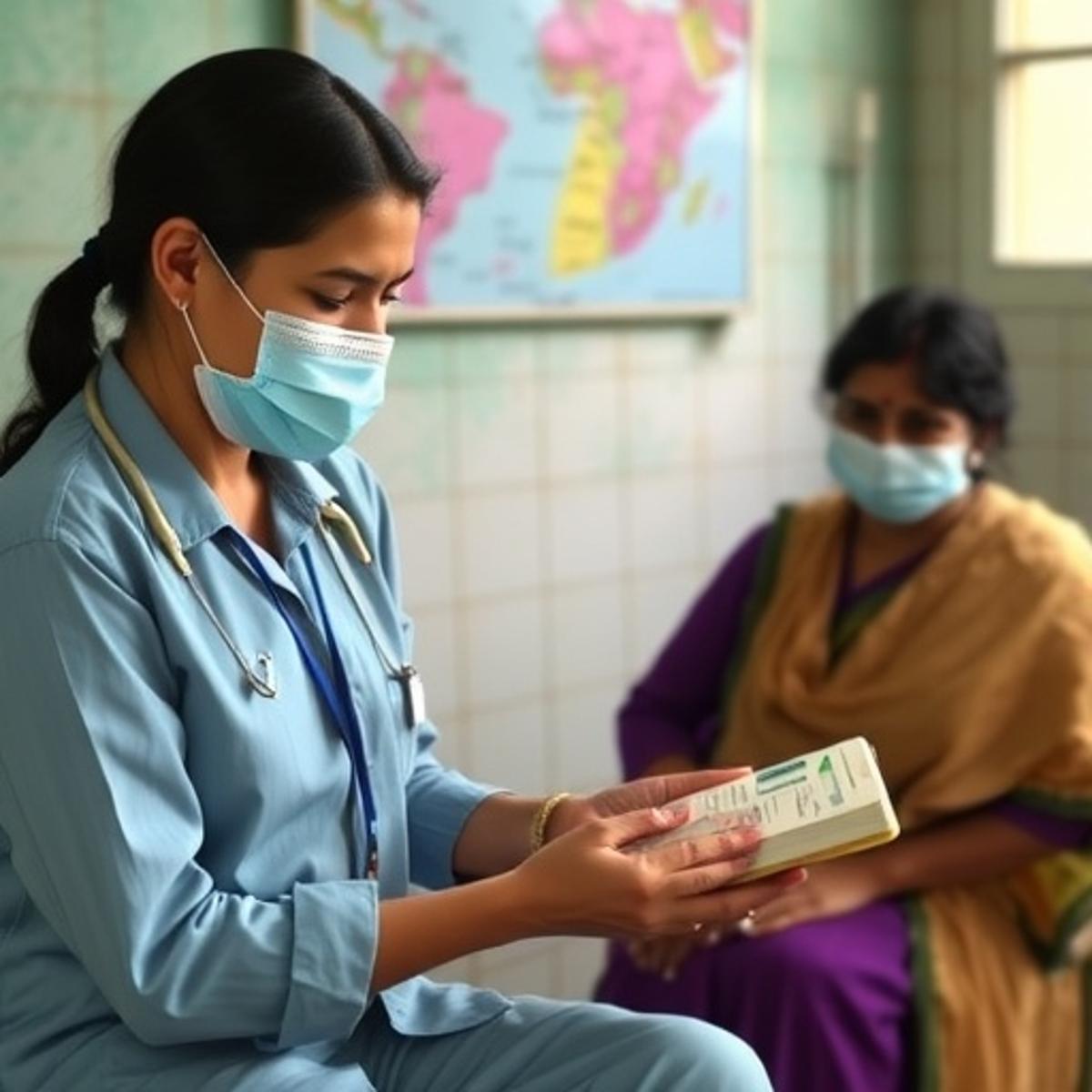
Tackling Non-Communicable Diseases in Rural Bangladesh’s Clinics
•January 10, 2026
0
Why It Matters
NCDs account for roughly two‑thirds of deaths in Bangladesh; expanding rural clinic capacity directly lowers mortality and eases the country’s health‑care budget strain. The initiative demonstrates a replicable model for low‑income nations confronting similar disease burdens.
Key Takeaways
- •1,200 health workers trained in NCD protocols
- •500 clinics equipped with BP and glucose devices
- •Early detection rose 30% in pilot regions
- •Referral compliance improved by 22% across districts
- •Project targets 5 million rural patients by 2028
Pulse Analysis
Bangladesh faces a mounting non‑communicable disease crisis, with hypertension, diabetes and chronic respiratory illnesses responsible for over 60 % of adult deaths. Rural populations, historically underserved by specialist care, often rely on under‑resourced primary clinics that lack diagnostic equipment and standardized treatment pathways. By integrating NCD screening into existing community health structures, the government tackles both access gaps and the rising economic toll of chronic illness, aligning with the Sustainable Development Goal target for universal health coverage.
The new program, funded jointly by the World Bank and several NGOs, rolls out portable blood‑pressure monitors, glucometers and handheld spirometers to 500 rural clinics. Simultaneously, a cascade‑training model equips 1,200 community health workers with protocol‑driven guidelines for risk assessment, lifestyle counseling and medication titration. Early pilot data show a 30 % jump in newly identified hypertension and diabetes cases, while referral follow‑through to district hospitals improved by 22 %. These metrics underscore how modest investments in point‑of‑care tools and workforce capacity can generate outsized health gains in low‑resource settings.
If the initiative meets its 2028 target of serving five million rural residents, it could reshape Bangladesh’s health‑system architecture, shifting the focus from curative to preventive care. The model also offers a template for neighboring South Asian nations grappling with similar NCD burdens, highlighting the importance of public‑private partnerships, data‑driven monitoring, and scalable training curricula. Continued evaluation will be crucial to refine protocols, ensure supply‑chain reliability, and sustain financing, but the early successes suggest a promising pathway toward reducing premature mortality and bolstering economic productivity across the region.
Tackling Non-Communicable Diseases in Rural Bangladesh’s Clinics
0
Comments
Want to join the conversation?
Loading comments...