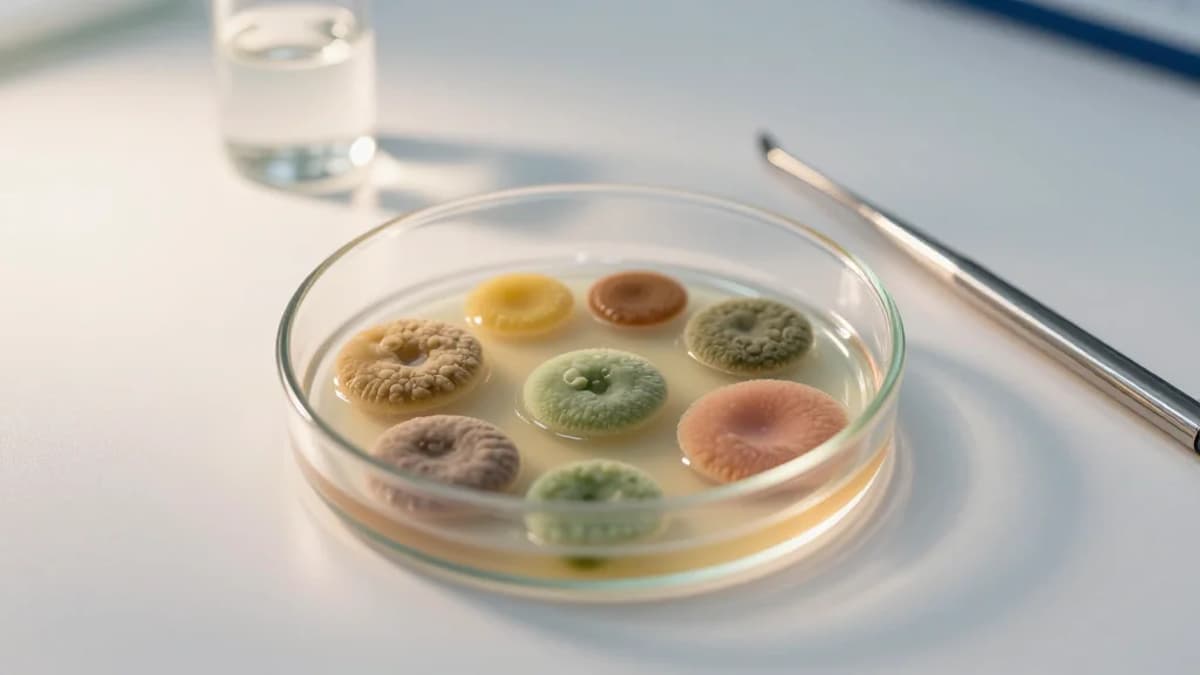
The Gut Bacteria that Put the Brakes on Weight Gain in Mice
•December 25, 2025
0
Why It Matters
Demonstrating that a single gut microbe can curb diet‑induced obesity opens a new avenue for microbiome‑targeted interventions in metabolic disease.
Key Takeaways
- •Turicibacter lowers weight gain in high‑fat diet mice
- •Bacterial lipids suppress harmful ceramide accumulation
- •Obese humans show reduced Turicibacter abundance
- •Supplementing Turicibacter fats replicates live‑bacterium effect
- •Research may lead to microbiome‑derived obesity therapies
Pulse Analysis
The gut microbiome has long been linked to obesity, yet isolating individual species that drive metabolic outcomes remains a scientific hurdle. Recent work from the University of Utah narrows this gap by spotlighting Turicibacter, a rod‑shaped bacterium that alone can reverse weight gain in mice on a high‑fat regimen. This breakthrough follows years of painstaking culturing under anaerobic conditions, underscoring how targeted microbial discovery can yield actionable health insights beyond broad community analyses.
Mechanistically, Turicibacter produces a complex mixture of fatty acids that interact with the host’s lipid pathways, notably keeping ceramide concentrations in check. Elevated ceramides are a hallmark of insulin resistance and cardiovascular risk, so their suppression translates into improved glucose tolerance and reduced adiposity. Intriguingly, the bacterium’s own survival is hampered by excess dietary fat, creating a feedback loop where a fatty diet diminishes Turicibacter, which in turn would have mitigated the diet’s metabolic harm. Supplementing purified Turicibacter‑derived lipids reproduces the protective effect, hinting at a drug‑like potential.
For the broader biotech and pharmaceutical sectors, Turicibacter represents a prototype for next‑generation microbiome therapeutics. While mouse models do not guarantee human efficacy, the observed depletion of Turicibacter in obese individuals provides a compelling translational clue. Future research will need to pinpoint the specific lipid(s) responsible, assess safety in humans, and explore formulation strategies—whether as live probiotics, postbiotic extracts, or engineered consortia. If successful, such interventions could complement diet and lifestyle measures, offering a novel, microbiome‑centric tool against the global obesity epidemic.
The gut bacteria that put the brakes on weight gain in mice
0
Comments
Want to join the conversation?
Loading comments...