Why It Matters
The rollout of CRISPR could reshape medicine, food security, and environmental impact, but unchecked use risks irreversible genetic changes and ecological harm. Establishing responsible frameworks now is essential to capture benefits while safeguarding society.
Key Takeaways
- •CRISPR treats sickle cell and other genetic disorders in trials
- •Agricultural CRISPR aims for drought‑resistant rice, cacao, bananas
- •Scientists call for global governance to prevent germline editing misuse
- •Off‑target effects remain a safety hurdle for human genome edits
- •Biologists stress limited gene knowledge despite two decades of mapping
Pulse Analysis
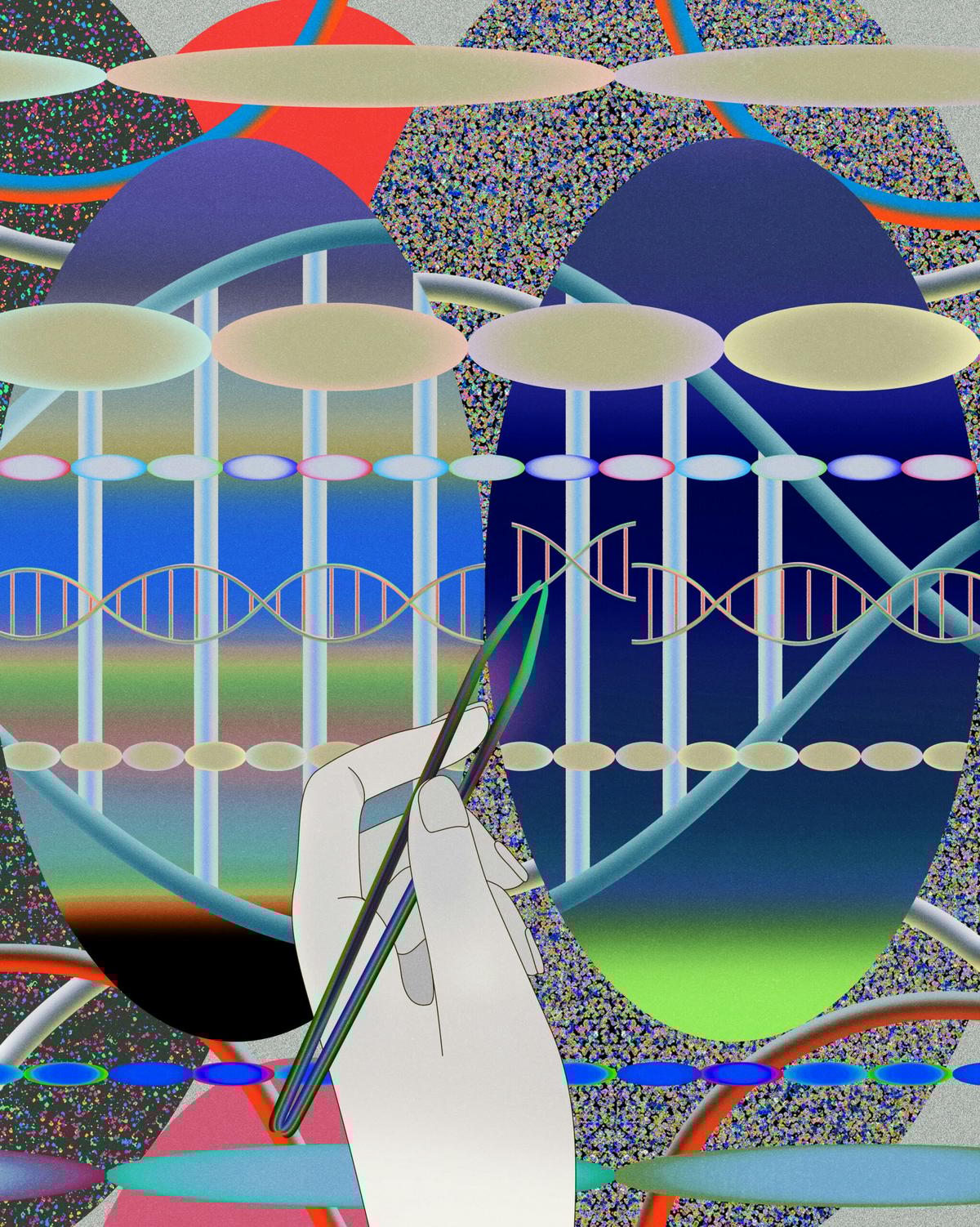
CRISPR‑Cas9 has transitioned from a laboratory curiosity to a therapeutic platform, with early successes treating sickle‑cell anemia and other monogenic diseases. Advances in delivery—such as lipid nanoparticles that ferry the molecular scissors to liver cells—are expanding the technology’s reach, while agricultural pilots aim to engineer drought‑tolerant staples like rice and cacao. These near‑term applications illustrate how gene editing can address pressing health and food‑security challenges without altering the human germline.
The rapid pace of discovery, however, has outstripped regulatory frameworks. Doudna’s warnings about germline editing—where changes become heritable—highlight the ethical minefield of editing embryos, a concern amplified after CRISPR‑edited monkey embryos were born. International bodies and scientific societies are urging transparent standards and coordinated oversight to prevent premature deployment, especially in areas where off‑target mutations could cause unintended consequences.
Beyond immediate applications, the broader bioscience community acknowledges a profound knowledge gap. Despite two decades of genome mapping, researchers estimate they understand less than one percent of gene functions, limiting predictive confidence in large‑scale edits. This humility drives calls for cautious, incremental progress, emphasizing robust safety data and public dialogue. As gene editing matures, its societal impact will hinge on balancing transformative potential with responsible stewardship.
The Humility Of Bioscientists
Comments
Want to join the conversation?
Loading comments...