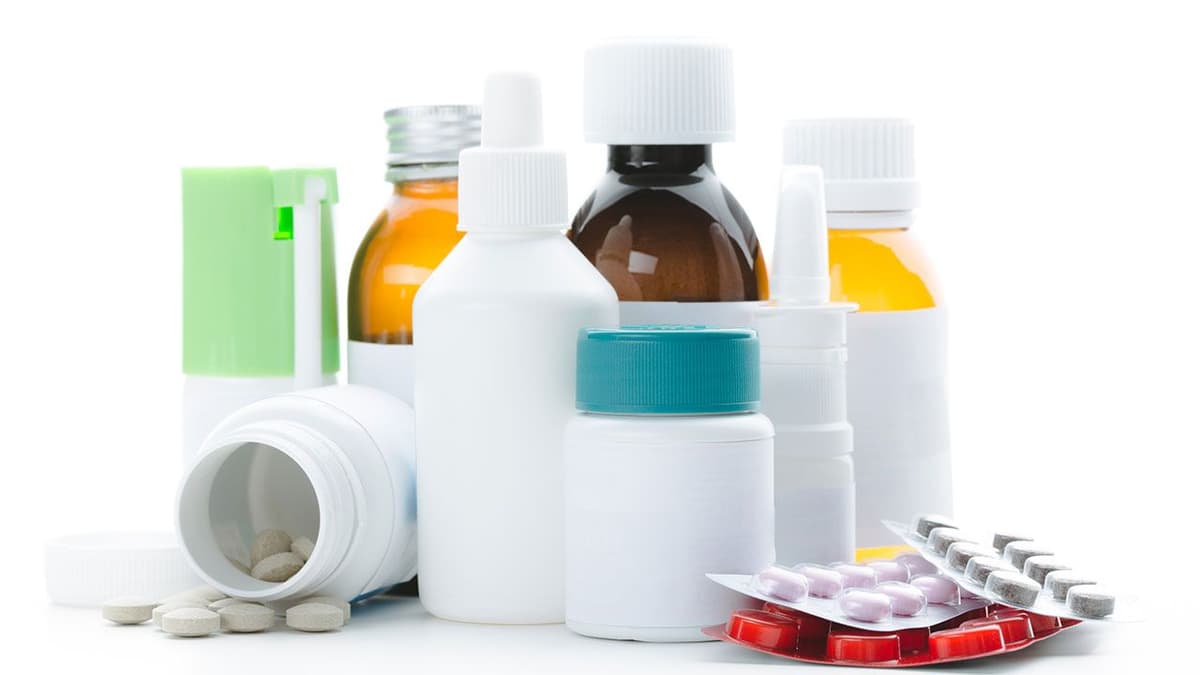
The Shift From Containment to Protection: Packaging Trends Impacting Pharma
•January 20, 2026
0
Why It Matters
Packaging now serves as a strategic lever for drug stability, patient safety and regulatory compliance while delivering cost, sustainability and supply‑chain benefits. These shifts directly influence manufacturers' bottom lines and the speed at which therapies reach patients.
Key Takeaways
- •Functional packaging now integrates moisture and oxygen barriers
- •Paperboard designs embed child resistance, reducing plastic waste
- •Sustainability drives mono‑material mandates, especially in EMEA
- •Digital labeling (QR, barcodes) enhances adherence tracking
- •Geopolitical pressures push regionalized, resilient pharma supply chains
Pulse Analysis
The 2025 packaging landscape reflects a decisive turn toward material science that does more than hold a product—it actively protects it. Advanced films and engineered polymers now incorporate moisture‑scavenging and oxygen‑blocking layers directly into blister packs, bottles and sachets, allowing solid oral doses and biologics to maintain potency without redesigning the drug itself. This functional shift reduces recalls, extends shelf life, and aligns with regulatory expectations for impurity control, positioning packaging as a critical component of product performance.
Sustainability has moved from a marketing tagline to a procurement requirement, especially across Europe, the Middle East and Africa where mono‑material rules target 2030 compliance. Paperboard suppliers are responding with fiber‑based substrates that combine child‑resistance, tamper evidence and moisture barriers, eliminating the need for separate plastic inserts, shrink films or mixed‑material waste. By consolidating features into a single material, manufacturers cut waste, lower carbon footprints, and simplify recycling streams, meeting both environmental goals and cost pressures.
Digital integration and equipment agility are reshaping how pharma companies manage the final step before distribution. QR codes, barcodes and other data carriers embedded on secondary packaging enable real‑time adherence tracking, clinical‑trial precision, and patient education, while line‑ready machines capture process data for traceability and rapid changeovers. Coupled with geopolitical pressures that favor regionalized, resilient supply chains, these technologies encourage deeper collaborations between brand owners and contract packagers, ensuring continuity, speed to market, and a more sustainable, patient‑centric future.
The Shift from Containment to Protection: Packaging Trends Impacting Pharma
0
Comments
Want to join the conversation?
Loading comments...