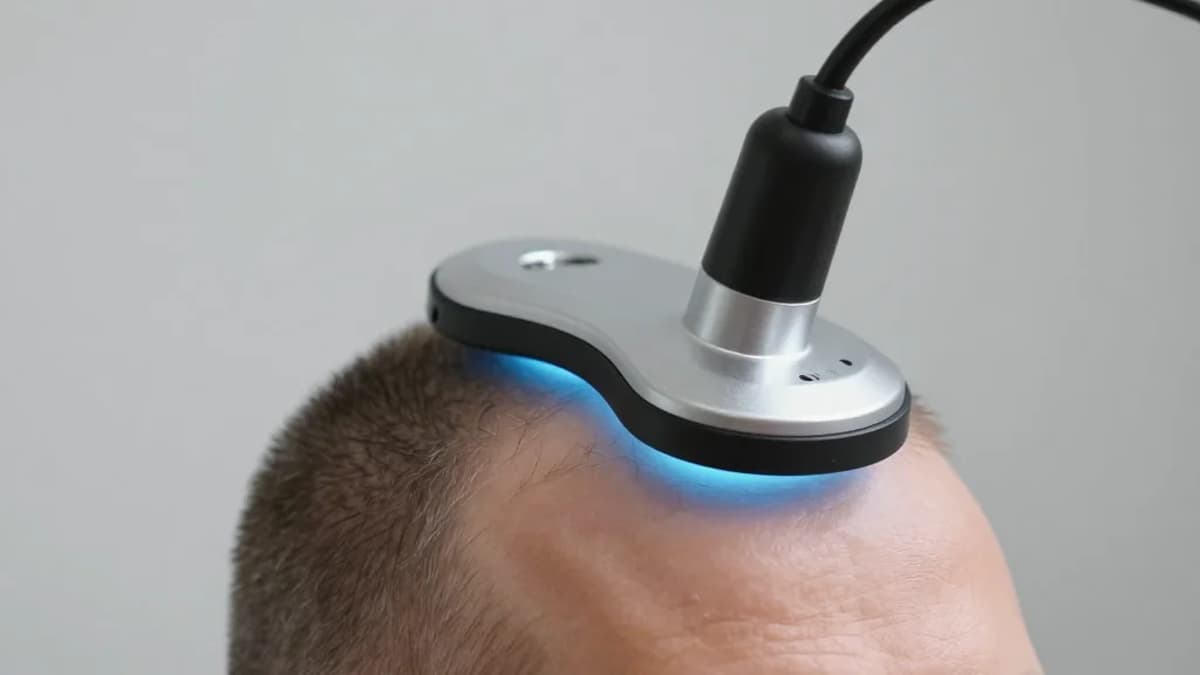
TMS in Adolescent Depression: A Milestone FDA Clearance
•February 10, 2026
0
Companies Mentioned

Why It Matters
TMS offers a faster‑acting, non‑drug option that could close efficacy gaps in adolescent depression treatment, influencing clinical practice, payer policies, and research priorities.
Key Takeaways
- •FDA cleared TMS for adolescents 15‑21 as adjunct treatment
- •Real‑world registry shows 59% response, 30% remission
- •RCTs report up to 98% response when combined with meds
- •Accelerated iTBS reduces sessions, maintains safety in teens
- •Insurance coverage expanding, but prior‑auth remains barrier
Pulse Analysis
Adolescent depression remains a public‑health priority, with existing pharmacologic and psychotherapeutic options delivering modest remission rates and delayed onset of benefit. Selective serotonin reuptake inhibitors such as fluoxetine and escitalopram achieve roughly 30‑55% remission, while cognitive‑behavioral therapy shows variable response depending on setting. These limitations have spurred interest in neuromodulation techniques that can target mood‑regulating circuits directly, offering the promise of rapid symptom relief without systemic side effects.
Transcranial magnetic stimulation, a non‑invasive method that delivers magnetic pulses to the left dorsolateral prefrontal cortex, has a well‑established safety profile in adults. Recent randomized trials in youths demonstrate markedly higher response when TMS is paired with antidepressants, with some studies reporting up to 98% improvement. The FDA’s 2026 clearance, obtained through the 510(k) pathway, leveraged registry data from over a thousand adolescents, showing a 59% response and 30% remission, and affirmed substantial equivalence to adult‑cleared devices. While this regulatory route accelerates market entry, it also underscores the need for rigorous, sham‑controlled research to confirm causal efficacy in this age group.
Despite encouraging data, adoption faces practical hurdles. Insurance coverage is expanding—major carriers now list TMS as a reimbursable option for ages 15‑21—but prior‑authorization requirements and limited provider networks persist. Daily treatment schedules further strain patients and families, prompting interest in accelerated intermittent theta‑burst protocols that compress therapy into fewer days. Future research must standardize stimulation parameters, evaluate long‑term outcomes, and identify biomarkers that predict which adolescents will benefit most. Addressing these gaps will be essential for integrating TMS into routine mental‑health care and delivering a truly evidence‑based, accessible treatment for depressed youth.
TMS in adolescent depression: A milestone FDA clearance
0
Comments
Want to join the conversation?
Loading comments...