TP53 Mutations Linked to Poor Prognosis in DLBCL
•January 29, 2026
0
Why It Matters
TP53 status emerges as a powerful prognostic biomarker that could reshape first‑line treatment algorithms for DLBCL, prompting earlier adoption of intensified or novel therapies. This shift may improve survival for a subgroup historically resistant to standard chemoimmunotherapy.
Key Takeaways
- •TP53 mutations present in ~20% of DLBCL cases
- •Mutated TP53 halves five‑year overall survival rates
- •Standard R‑CHOP shows reduced efficacy with TP53 loss
- •Early genetic testing can guide risk‑adapted therapy
- •Novel agents targeting DNA‑damage response are under trial
Pulse Analysis
The tumor‑suppressor gene TP53, often called the "guardian of the genome," plays a critical role in DNA repair, apoptosis, and cell‑cycle control. In diffuse large B‑cell lymphoma, the most common aggressive non‑Hodgkin lymphoma, genetic profiling has become essential for understanding disease heterogeneity. While R‑CHOP remains the backbone of first‑line therapy, approximately one‑third of patients experience primary refractory disease, underscoring the need for molecular markers that predict treatment failure.
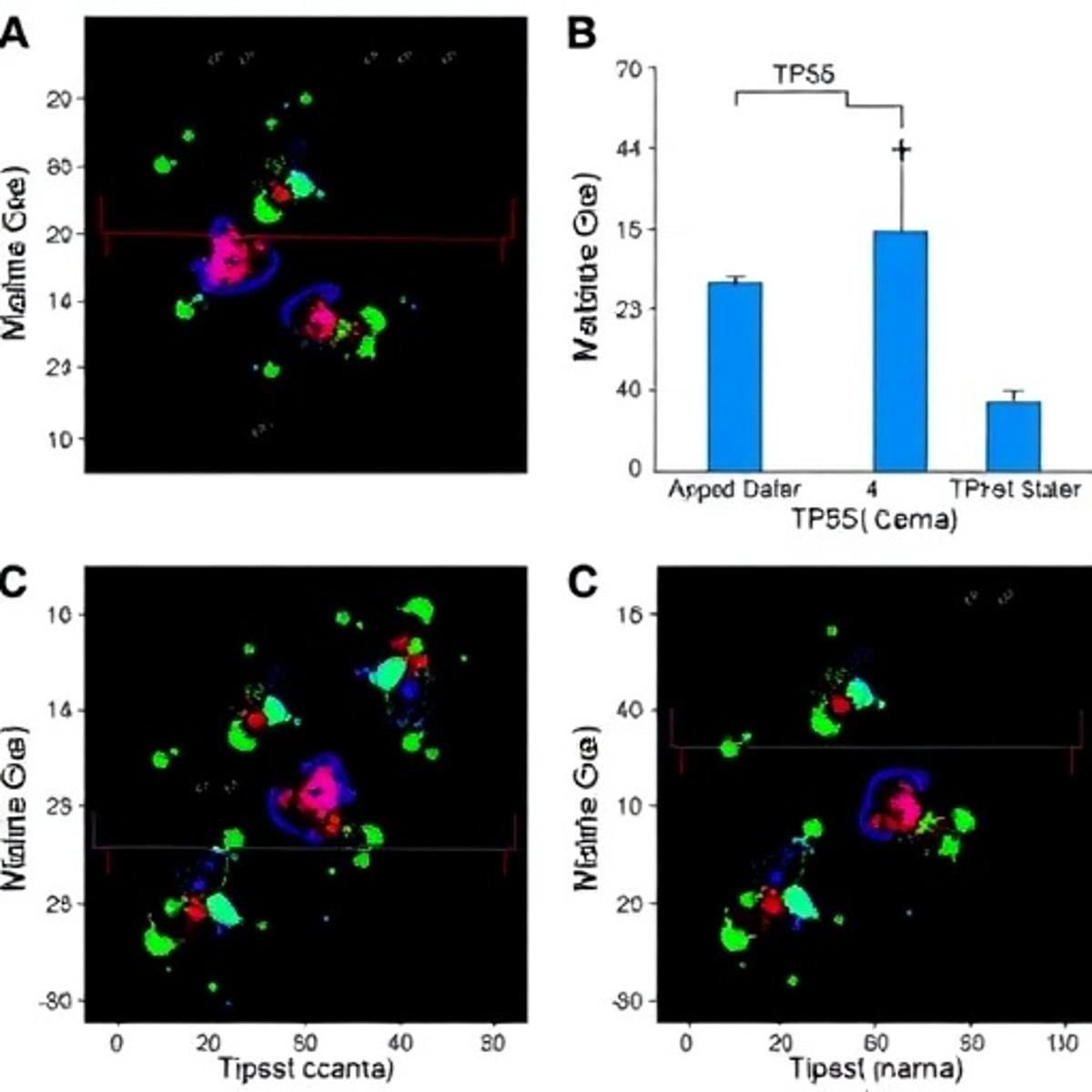
The new multi‑center cohort of 1,200 DLBCL patients provides robust evidence that TP53 mutations confer a substantial survival disadvantage. Patients with TP53 alterations exhibited a hazard ratio of 2.1 for overall survival and a five‑year survival rate of just 35%, compared with 70% for TP53‑wild‑type counterparts. These findings align with earlier, smaller studies and suggest that TP53 status should be incorporated into prognostic indices such as the International Prognostic Index. However, the analysis is retrospective and limited to patients receiving standard R‑CHOP, leaving open questions about the mutation’s impact in the context of newer regimens.
Clinically, the data motivate routine TP53 testing at diagnosis to identify high‑risk patients who may benefit from intensified or alternative approaches. Ongoing trials are evaluating DNA‑damage response inhibitors, BCL‑2 antagonists, and CAR‑T cell therapies specifically in TP53‑mutated DLBCL cohorts. As precision oncology matures, integrating TP53 profiling with other molecular features could enable truly personalized treatment pathways, potentially turning a historically poor‑prognosis subgroup into a responsive one.
TP53 Mutations Linked to Poor Prognosis in DLBCL
0
Comments
Want to join the conversation?
Loading comments...