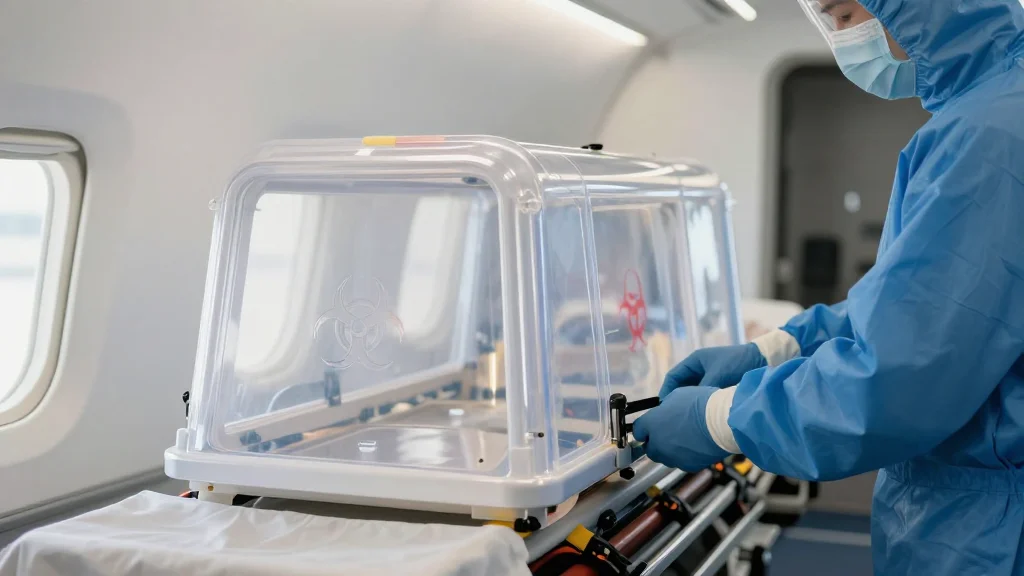
U.S. Evacuates 17 Americans From Hantavirus‑Stricken Cruise to Nebraska Biocontainment Unit

Why It Matters
The hantavirus evacuation showcases the United States’ layered biodefense architecture, from federal agencies to specialized hospital units. By deploying a $20 million‑funded biocontainment facility, the government demonstrates that investments in high‑containment labs and rapid‑response teams can be mobilized swiftly when novel pathogens surface. For the biotech sector, the episode underscores a growing market for point‑of‑care diagnostics, antiviral drug platforms, and vaccine candidates targeting zoonotic viruses. The public‑health spotlight may spur venture capital and government grants toward companies that can shorten the time from outbreak detection to therapeutic deployment, reshaping the industry’s innovation pipeline.
Key Takeaways
- •17 American passengers evacuated by emergency aircraft to Nebraska’s biocontainment unit
- •Hantavirus outbreak on MV Hondius resulted in 8 cases, 5 confirmed, 3 deaths
- •University of Nebraska Medical Center’s unit operates under a $20 million HHS grant
- •CDC provides exposure risk assessment and testing for all evacuees
- •Unit previously treated Ebola and early COVID‑19 patients, now faces its first hantavirus case
Pulse Analysis
The rapid mobilization of a dedicated biocontainment facility signals a maturing U.S. biodefense posture that biotech firms can leverage. Historically, high‑containment labs were viewed as niche assets for government research; today they serve as critical nodes in a commercial ecosystem that includes diagnostic startups and contract manufacturing organizations. The successful quarantine of a hantavirus cohort could validate the business case for expanding such capabilities, prompting private investors to fund additional BSL‑3/4 sites across the country.
Moreover, the incident may accelerate regulatory pathways for rapid‑deployment diagnostics. The CDC’s on‑site testing protocol, combined with the university’s ability to isolate patients, creates a template for future public‑private collaborations. Companies that can deliver point‑of‑care PCR kits or serology assays within days stand to gain contracts and fast‑track approvals under Emergency Use Authorizations, a trend that has already reshaped the COVID‑19 landscape.
Finally, the episode highlights geopolitical dimensions of biotech readiness. While the cruise originated in Europe and the outbreak occurred in international waters, the U.S. response relied on cross‑border coordination with Spanish authorities and the CDC’s global health network. This underscores the importance of interoperable standards for pathogen surveillance, data sharing, and patient transfer—areas where biotech firms can provide digital health platforms and secure communication tools. As the world confronts an era of frequent zoonotic spillovers, the ability to move patients swiftly into high‑security labs will become a competitive advantage for both nations and the companies that support them.
U.S. Evacuates 17 Americans from Hantavirus‑Stricken Cruise to Nebraska Biocontainment Unit
Comments
Want to join the conversation?
Loading comments...