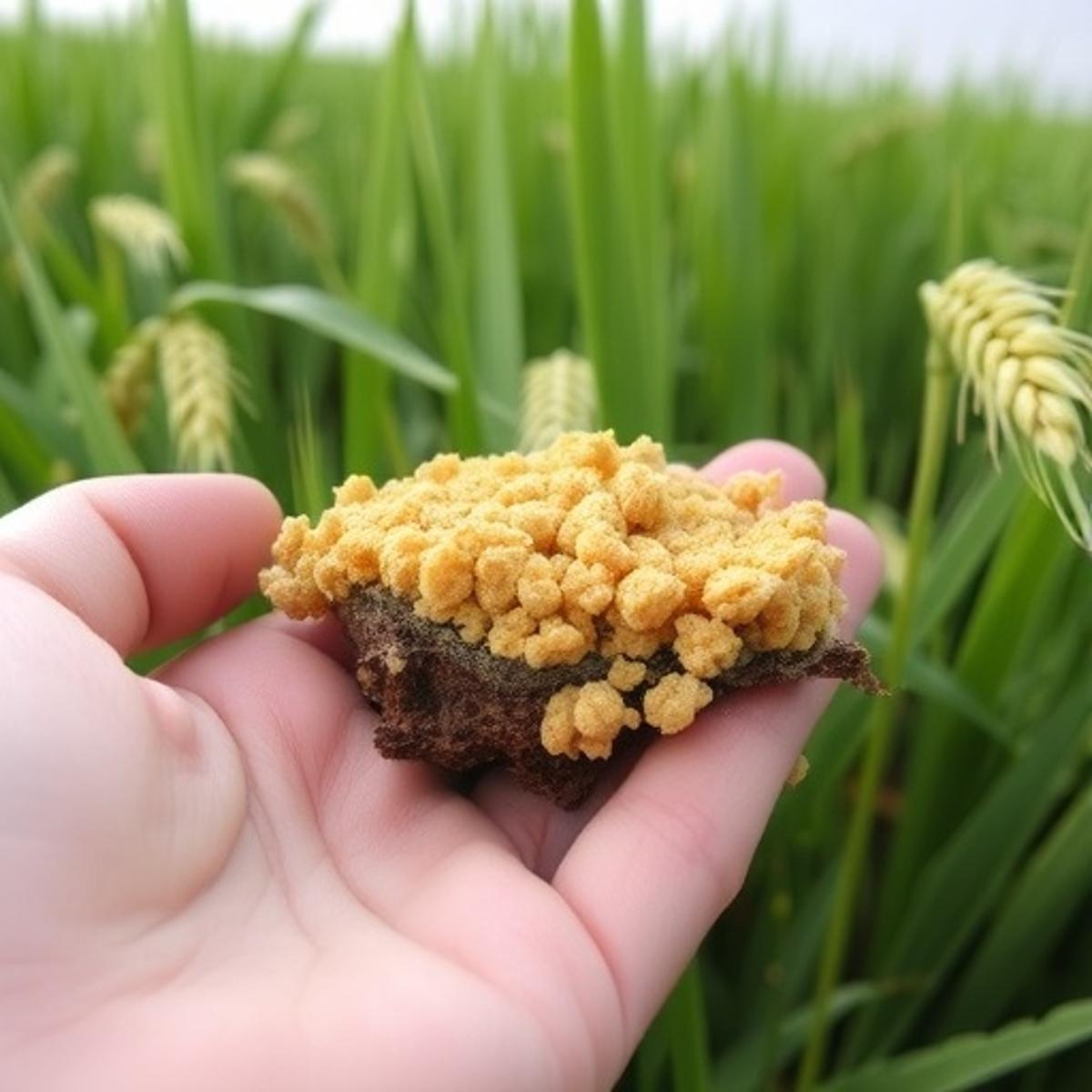
Validating Phenazine-Producing Rhizobacteria for Sustainable Wheat Protection
•January 30, 2026
0
Why It Matters
The breakthrough offers wheat growers a viable, eco‑friendly tool to cut fungicide use, enhancing profitability while meeting climate‑smart agriculture goals.
Key Takeaways
- •Field trials cut Fusarium head blight 35%
- •Seed coating increased wheat yield 7%
- •Phenazine bacteria derived from native soils
- •Regulatory pathway under development for commercialization
- •Low‑carbon alternative reduces synthetic fungicide reliance
Pulse Analysis
Phenazine‑producing rhizobacteria are gaining traction as a next‑generation biocontrol solution for wheat, a staple crop vulnerable to Fusarium head blight and other fungal pathogens. By leveraging the natural antimicrobial properties of phenazine compounds, researchers have engineered a seed‑coating formulation that delivers the microbes directly to the rhizosphere, where they colonize roots and outcompete harmful fungi. Recent multi‑site trials across the U.S. Midwest and Europe reported up to a 35% reduction in disease severity, translating into measurable yield gains and lower post‑harvest losses.
Beyond disease suppression, the technology aligns with broader sustainability targets. Traditional fungicides contribute to greenhouse gas emissions and can foster resistance in pathogen populations. In contrast, phenazine‑producing bacteria operate through multiple modes of action—antibiotic production, induced systemic resistance, and niche competition—reducing the risk of resistance development. The seed coating also minimizes application steps for farmers, integrating seamlessly into existing planting workflows and cutting labor costs. Early economic analyses suggest a favorable return on investment, especially for growers seeking to meet increasingly stringent environmental regulations.
Regulatory acceptance remains a critical hurdle, but the microbes’ origin from native soils eases safety assessments. Agencies in the United States, European Union, and Australia are reviewing data packages that highlight non‑pathogenicity to humans, animals, and non‑target organisms. As the approval process advances, industry partners are scaling up production facilities to meet anticipated demand. This development signals a shift toward biologically based crop protection, positioning phenazine‑producing rhizobacteria as a cornerstone of climate‑smart wheat production.
Validating Phenazine-Producing Rhizobacteria for Sustainable Wheat Protection
0
Comments
Want to join the conversation?
Loading comments...