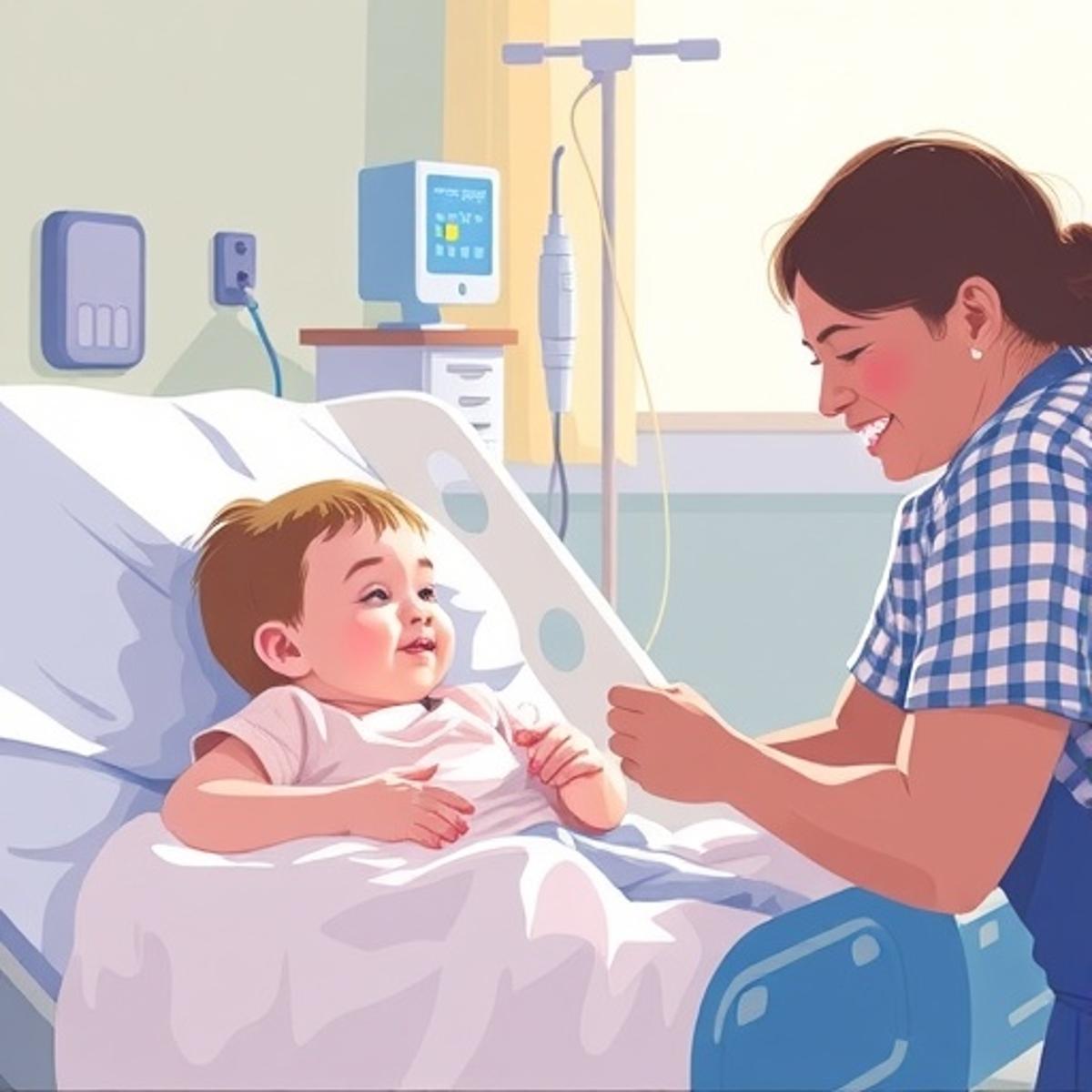
Visual Insights: Pediatric Patient and Caregiver Hospital Experiences
•January 9, 2026
0
Why It Matters
These findings collectively push forward precision medicine, improve diagnostic imaging, and expand remote patient‑care technologies, shaping future healthcare delivery and investment priorities.
Key Takeaways
- •MVA-MERS-S vaccine shows two-year immunity
- •Amino acid pathways target cholangiocarcinoma treatment
- •FGL1 protein accelerates kidney fibrosis progression
- •Algorithms boost coronary artery segmentation accuracy
- •Origami honeycomb sensor enables smart cushion monitoring
Pulse Analysis
The durability of the MVA‑MERS‑S vaccine addresses a lingering concern in pandemic preparedness: long‑term protection without frequent boosters. By confirming two‑year immunity, the study not only validates the vaccine’s platform but also informs public‑health strategies for emerging coronaviruses, potentially reducing vaccination costs and improving compliance.
Metabolic reprogramming in cholangiocarcinoma is gaining traction as a therapeutic frontier. Recent insights into amino‑acid metabolism reveal vulnerabilities that can be exploited with targeted inhibitors, offering hope for a cancer type historically marked by poor prognosis. Simultaneously, the identification of hepatokine fibrinogen‑like protein 1 (FGL1) as a catalyst for kidney fibrosis opens avenues for anti‑fibrotic drug development, underscoring the interconnectedness of liver‑derived signals and renal pathology.
Advancements in imaging and wearable technology further illustrate the sector’s rapid innovation. Enhanced coronary artery segmentation algorithms promise higher diagnostic precision, facilitating earlier intervention for cardiovascular disease. Meanwhile, the origami honeycomb wireless sensor embedded in a smart cushion exemplifies how flexible electronics can unobtrusively monitor patient vitals, supporting telehealth and reducing hospital readmissions. Together, these breakthroughs signal a shift toward integrated, data‑driven care models that prioritize both efficacy and patient comfort.
Visual Insights: Pediatric Patient and Caregiver Hospital Experiences
0
Comments
Want to join the conversation?
Loading comments...