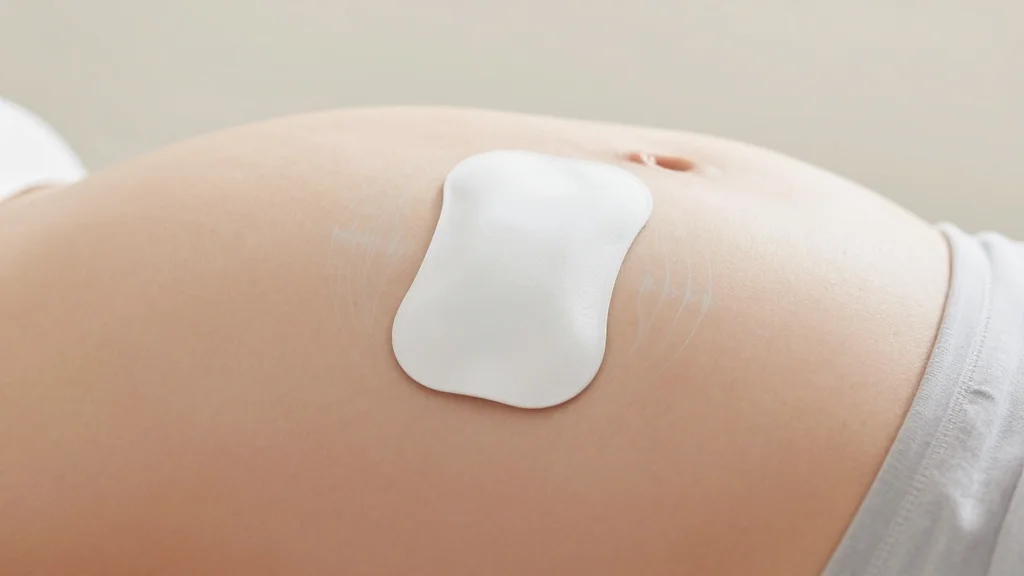
Wearable Ultrasound Patch Detects Life‑Threatening Complications in High‑Risk Pregnancies

Companies Mentioned
Why It Matters
Continuous fetal monitoring could dramatically reduce stillbirth rates, which account for roughly 1 in 160 births in the United States. By delivering real‑time hemodynamic data, the UPatch enables clinicians to intervene before irreversible damage occurs, potentially saving thousands of lives each year. Moreover, the technology could democratize high‑quality prenatal care, allowing remote clinics to monitor patients without on‑site sonographers, thereby narrowing health disparities in rural and low‑resource settings. From a commercial perspective, the UPatch opens a new product category at the intersection of wearables and obstetrics. Its success would validate a broader shift toward continuous, AI‑enhanced monitoring in maternal‑fetal medicine, prompting established device makers and startups alike to invest in similar platforms. The ripple effect could accelerate innovation across other pregnancy‑related conditions, such as gestational diabetes and preterm labor, reshaping the biotech landscape for years to come.
Key Takeaways
- •UPatch is a hand‑sized adhesive ultrasound patch that continuously tracks fetal‑placental blood flow.
- •In a trial of 52 high‑risk pregnancies, the device identified severe intrauterine growth restriction, leading to a life‑saving C‑section.
- •Researchers from Stanford Medicine, UC San Diego and the University of Oxford developed a segmentation‑based tracking algorithm to maintain image stability.
- •Current prenatal monitoring relies on intermittent Doppler scans; UPatch could enable real‑time, bedside surveillance.
- •Next steps include a multicenter trial in late 2026 and FDA regulatory filing.
Pulse Analysis
The UPatch arrives at a moment when the medical‑device industry is racing to embed AI and continuous monitoring into traditionally episodic care pathways. Historically, obstetric imaging has been limited by the need for skilled sonographers and the logistical constraints of in‑person appointments. By automating image acquisition and analysis, the UPatch not only reduces labor costs but also creates a high‑resolution data stream that could fuel predictive analytics for a range of pregnancy complications.
From a market dynamics standpoint, the device threatens to upend incumbents that have long dominated the Doppler ultrasound space. Companies like Philips and GE have built extensive service networks around periodic scans; a shift to wearable, home‑based monitoring could erode their recurring revenue streams while opening new subscription‑based models for data analytics and remote physician oversight. Early adopters—large health systems and tele‑health platforms—will likely dictate pricing and reimbursement pathways, setting the stage for broader payer acceptance.
Looking ahead, the UPatch’s success will hinge on regulatory clearance and real‑world evidence of safety and efficacy. If the upcoming multicenter trial confirms its ability to reduce adverse outcomes, the device could become a standard of care for high‑risk pregnancies, prompting a cascade of related innovations—such as integrated maternal‑fetal health dashboards and AI‑driven risk stratification tools. In the longer term, the technology may inspire a new class of wearable ultrasound applications beyond obstetrics, extending into cardiology, vascular health, and even neonatal intensive care, thereby cementing its place as a transformative biotech breakthrough.
Wearable Ultrasound Patch Detects Life‑Threatening Complications in High‑Risk Pregnancies
Comments
Want to join the conversation?
Loading comments...