Why some Brain Cells Are Particularly Vulnerable to Multiple Sclerosis
Why It Matters
The findings expose a cell‑intrinsic driver of neurodegeneration in MS, opening avenues for treatments that protect cognition rather than only suppressing inflammation.
Key Takeaways
- •CUX2 cortical neurons drive higher cognition, are MS‑vulnerable
- •ATF4 protein initiates DNA repair crucial for CUX2 survival
- •MS brains show heightened DNA damage in CUX2 layers
- •Disabling ATF4 in mice causes rapid CUX2 neuron loss
- •Targeting intrinsic neuron repair may complement anti‑inflammatory MS therapies
Pulse Analysis
Multiple sclerosis has long been treated as an immune‑mediated disease that strips myelin from axons, prompting a pharmaceutical focus on anti‑inflammatory drugs and remyelination strategies. Yet roughly a third of patients progress to a neurodegenerative phase marked by brain atrophy and cognitive decline, a symptom cluster that current disease‑modifying therapies fail to halt. Understanding why certain neurons die while others survive is therefore critical for expanding the therapeutic toolbox beyond immune suppression and addressing the unmet need for neuroprotection in progressive MS.
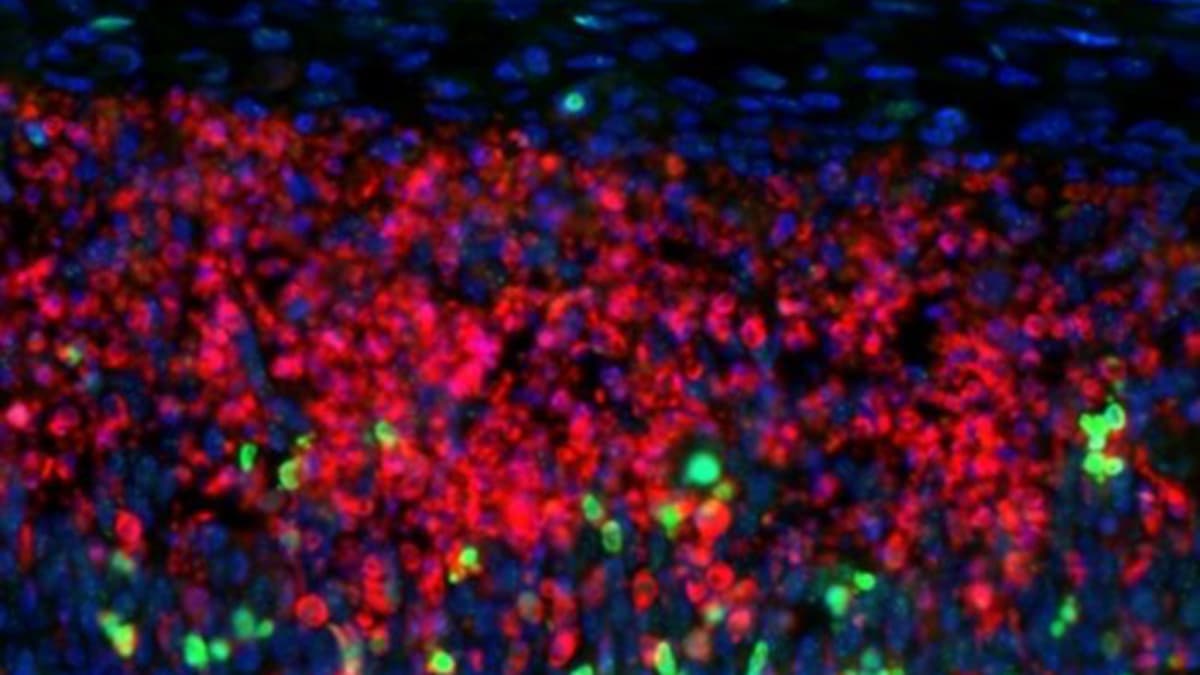
The new research zeroes in on CUX2‑expressing pyramidal neurons in layers II/III of the human cortex—cells that underlie higher‑order cognition and are uniquely abundant in humans. These neurons proliferate rapidly during development, a process that leaves them prone to accumulating DNA lesions. The study shows that the transcription factor ATF4 orchestrates a DNA‑repair program essential for CUX2 survival; mice lacking ATF4 lose these cells within days, and post‑mortem MS tissue reveals markedly higher DNA damage in the same cortical layers. The findings implicate intrinsic genomic stress as a driver of neuronal loss.
By exposing a cell‑intrinsic vulnerability, the work suggests a new therapeutic axis: bolstering DNA‑repair pathways or modulating ATF4 activity could protect CUX2 neurons and preserve cognitive function. Such neuroprotective approaches would complement existing immunomodulators, offering a two‑pronged strategy against both inflammation and degeneration. For biotech firms and investors, the discovery opens a targetable pathway that aligns with the growing demand for disease‑modifying treatments capable of slowing or reversing brain shrinkage in progressive MS.
Why some brain cells are particularly vulnerable to multiple sclerosis
Comments
Want to join the conversation?
Loading comments...