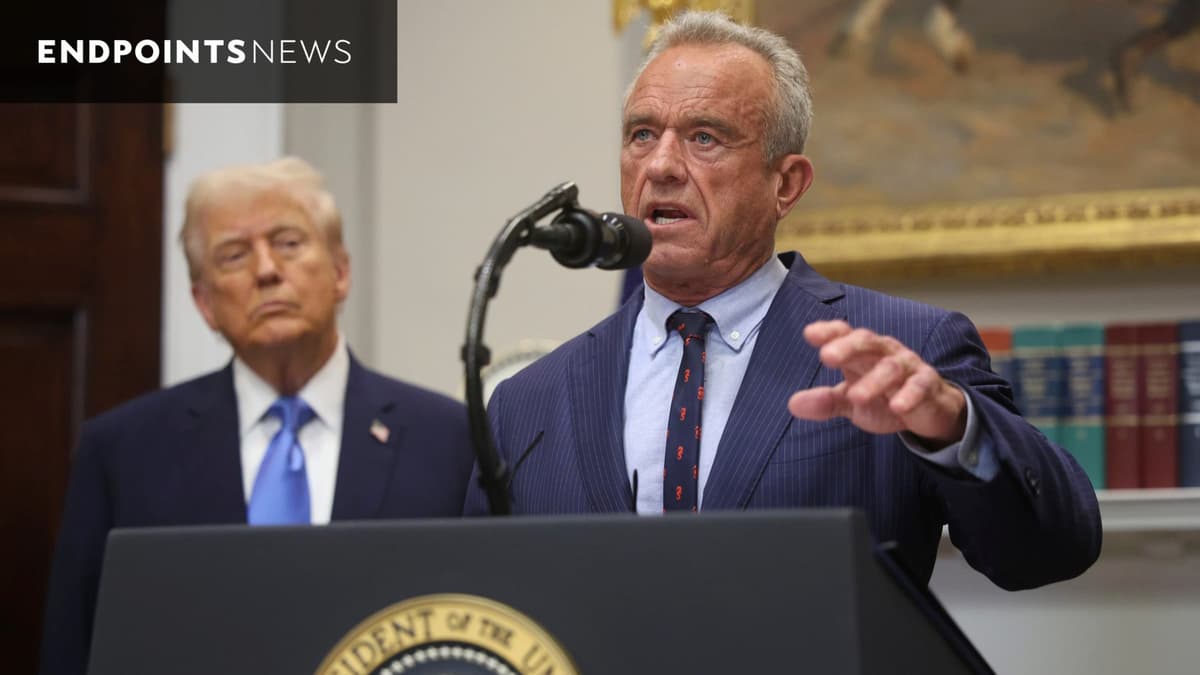
With Scant Data, RFK Jr. Credits Trump for Higher European Drug Prices
•February 9, 2026
0
Why It Matters
The claim politicizes drug‑pricing discussions and could shape public opinion on U.S. pricing reforms, despite lacking factual support. It underscores how unverified statements may influence policy debates and market perceptions.
Key Takeaways
- •RFK Jr. blames Trump for higher European drug prices
- •No data provided to support tariff claim
- •European price hikes linked to market factors, not U.S. policy
- •Claim may influence U.S. drug pricing debate
- •Political rhetoric risks oversimplifying complex pricing mechanisms
Pulse Analysis
The controversy surrounding RFK Jr.’s assertion highlights a recurring pattern where political figures use anecdotal narratives to frame complex health‑policy issues. While tariffs and diplomatic pressure can affect trade flows, the European pharmaceutical market operates under distinct regulatory frameworks, price‑setting mechanisms, and reimbursement models that largely determine drug costs. By attributing price hikes to a single U.S. administration, the claim sidesteps the nuanced interplay of patent expirations, market competition, and national health‑budget constraints that drive European pricing trends.
Industry analysts point out that recent European price adjustments stem from coordinated negotiations between governments and manufacturers, as well as the implementation of reference pricing and value‑based reimbursement schemes. These structural reforms aim to balance access and affordability, independent of U.S. tariff threats. Moreover, empirical studies show limited correlation between U.S. trade policy and European drug pricing, reinforcing the need for data‑driven discourse. The absence of supporting evidence in Kennedy’s statement weakens its credibility and may distract from substantive policy discussions on domestic drug cost containment.
For policymakers and stakeholders, the episode serves as a reminder that credible evidence is essential when shaping public opinion on pharmaceutical pricing. As the United States grapples with rising prescription costs, leveraging accurate market analyses rather than political soundbites will be crucial for effective reform. Understanding the distinct drivers of European price changes can inform more targeted strategies, such as encouraging competition, revising patent laws, or adopting international reference pricing, without relying on unverified claims about foreign interventions.
With scant data, RFK Jr. credits Trump for higher European drug prices
0
Comments
Want to join the conversation?
Loading comments...