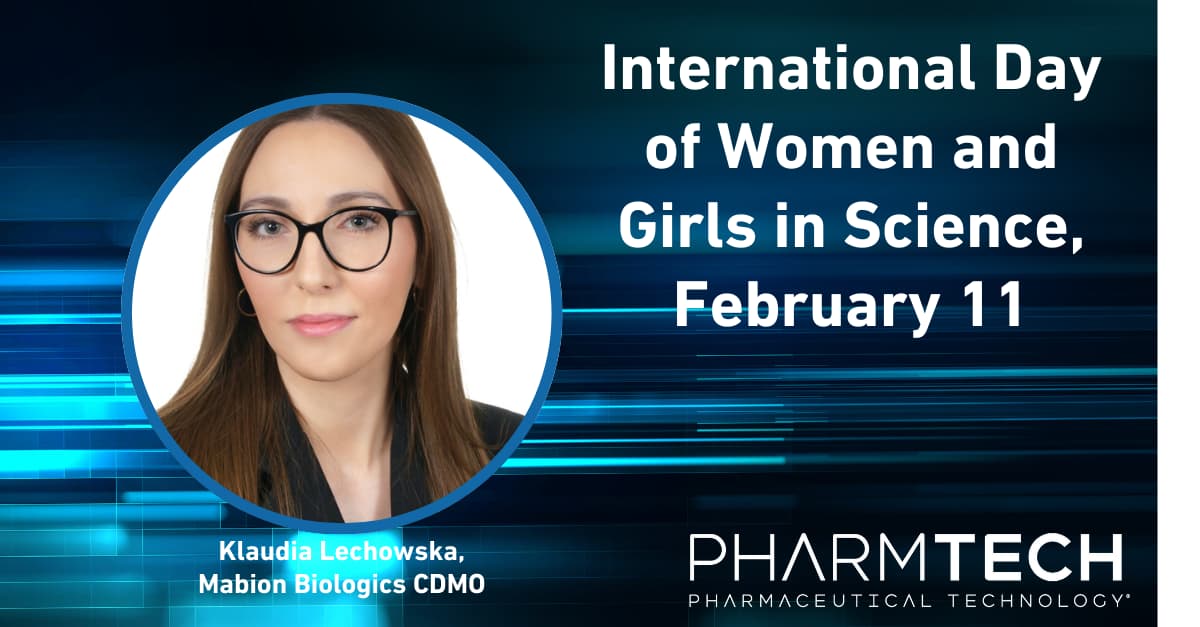
Women in STEM: Unique Impacts in Rare Disease Development
•February 10, 2026
0
Companies Mentioned

Why It Matters
Closing the gender leadership gap can accelerate rare‑disease innovation, while orphan‑drug approvals like MabionCD20 expand treatment options for underserved patients.
Key Takeaways
- •Women represent 60% pharma workforce, only 25% leadership
- •Female perspectives drive rare‑disease innovation and patient focus
- •MabionCD20 received FDA orphan designation for two indications
- •STEM education builds technical and business skills for biotech careers
- •Industry prioritizes quality, safety as market stabilizes post‑pandemic
Pulse Analysis
The pharmaceutical sector is witnessing a gradual shift as more women enter STEM pipelines, yet a stark disparity remains at the executive level. Women now account for roughly 60% of the global pharma workforce, bringing diverse viewpoints that are especially valuable in the nuanced arena of rare‑disease research. Their emphasis on empathy, meticulousness, and collaborative problem‑solving helps uncover unmet patient needs, fostering therapies that are both innovative and patient‑centric. Addressing the leadership gap could therefore unlock new pathways for tackling complex, low‑prevalence conditions.
Mabion Biologics exemplifies how CDMOs can translate scientific expertise into market‑ready solutions. The company’s biosimilar, MabionCD20, secured FDA orphan‑drug designation for membranous nephropathy and autoimmune hemolytic anemia, highlighting the strategic importance of biosimilars in expanding access to rare‑disease treatments. Lechowska’s role bridges technical bioprocess knowledge with client‑focused business development, illustrating how interdisciplinary talent accelerates partnership formation, regulatory navigation, and ultimately, patient delivery. Such collaborations are critical as the industry seeks cost‑effective alternatives to high‑priced biologics.
Looking ahead, advanced biologics and personalized medicine are reshaping drug development, with quality and safety emerging as top priorities in a post‑pandemic market. International alliances enable faster orphan‑drug introductions, while robust STEM pipelines ensure a steady flow of talent capable of navigating CMC challenges and commercial complexities. Women leaders—exemplified by figures like Vertex’s Reshma Kewalramani and mRNA pioneer Katalin Karikó—are poised to drive this evolution, leveraging scientific rigor and patient advocacy to deliver next‑generation therapies.
Women in STEM: Unique Impacts in Rare Disease Development
0
Comments
Want to join the conversation?
Loading comments...