Common Readers
Why It Matters
The shift toward emotion‑driven virality rewires publishing economics and threatens traditional literary criticism, while also opening new revenue streams for backlist and foreign titles.
Key Takeaways
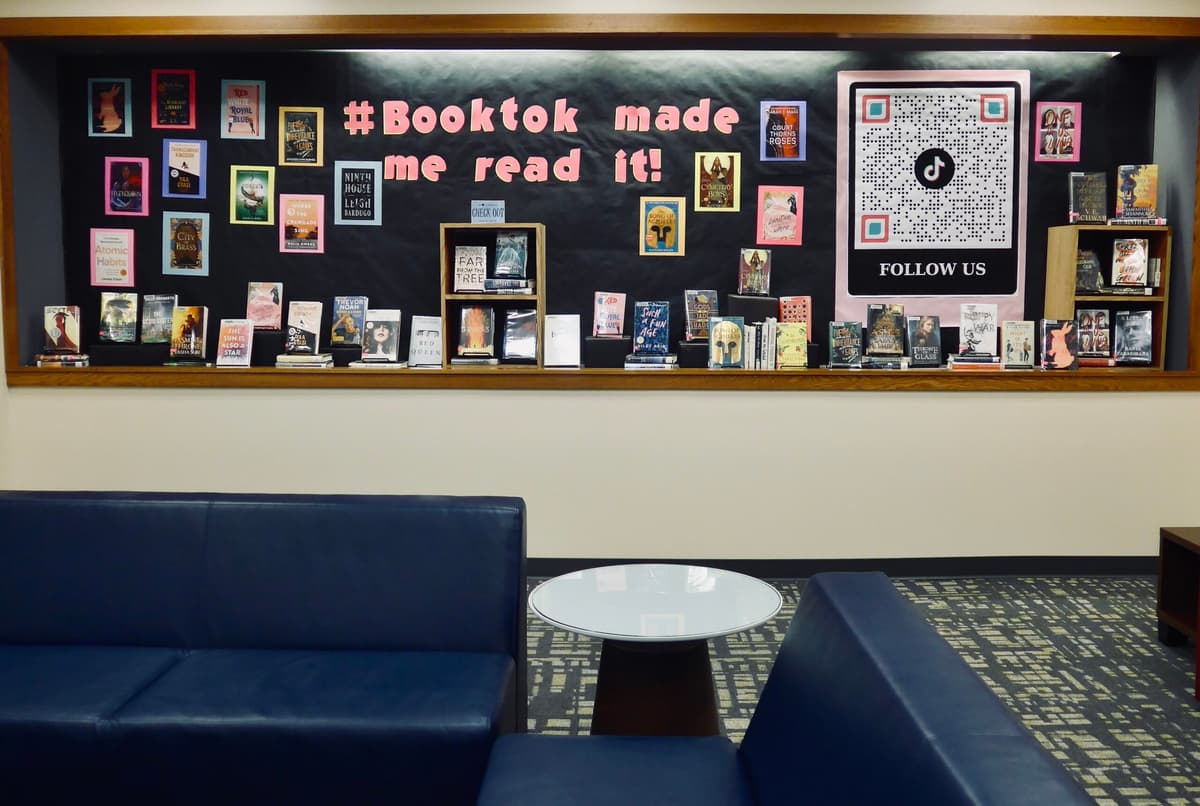
- •BookTok drives about one in thirteen U.S. print sales in 2024
- •Publishers pay roughly $2,000 per BookTok video for promotional rights
- •AI‑generated novel *Shy Girl* was pulled after Hachette discovered the fraud
- •BookTok reviews prioritize emotional resonance over literary craftsmanship
- •TikTok boosts sales of classics like Dazai’s *No Longer Human*
Pulse Analysis
The rise of BookTok has turned short‑form video into a market‑making engine for the American book industry. By 2024, an estimated 59 million print copies were linked to TikTok clips, propelling a 21 percent growth spurt from 2019 to 2023 after years of stagnation. Publishers now allocate budgets to secure pre‑emptive viral hooks, often paying creators $2,000‑$4,000 per post and negotiating usage rights that lock in future sales. This model accelerated the *Shy Girl* controversy, where Hachette withdrew a high‑profile AI‑generated title after the platform’s hype exposed ethical lapses, underscoring the double‑edged nature of algorithmic promotion.
Beyond the headline numbers, BookTok reshapes the criteria by which books are judged. Traditional literary criticism emphasizes craft, thematic depth, and historical context, but the platform’s algorithm rewards immediate emotional resonance. Reviewers frame a book’s worth as the intensity of personal feeling it elicits, turning subjective reaction into a quasi‑rating system. This has led publishers to prioritize manuscripts with relatable protagonists and sensational hooks, while authors tailor narratives to fit the “relatability” formula, potentially narrowing the diversity of voices that reach a mass audience.
The cultural ripple effects extend to backlist revival and global literature exposure. TikTok trends have revived obscure works such as Osamu Dazai’s *No Longer Human* and Jacqueline Harpman’s *I Who Have Never Known Men*, generating sales spikes that fund small presses and even office upgrades. However, reliance on virality raises concerns about authenticity, especially as AI‑generated content becomes harder to detect. As the industry leans into short‑form hype, stakeholders must balance commercial gains with the preservation of literary standards, ensuring that the platform amplifies, rather than eclipses, the broader ecosystem of quality writing.
Common Readers
Comments
Want to join the conversation?
Loading comments...