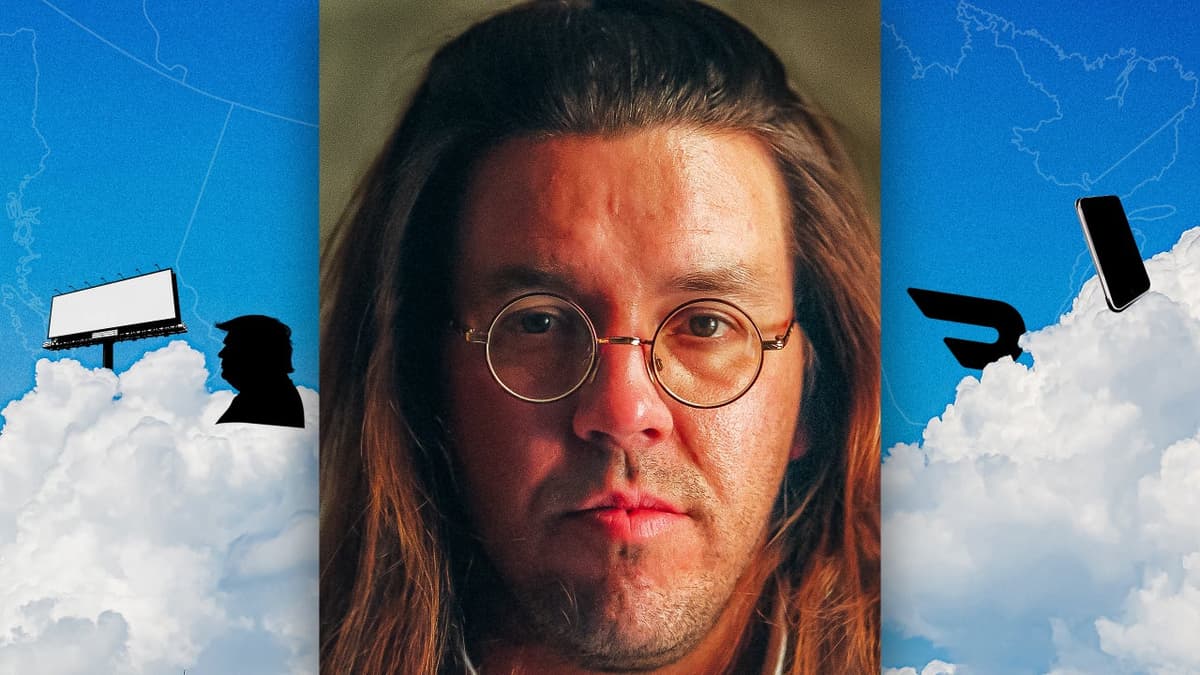
Here’s Everything ‘Infinite Jest’ Got Right 30 Years Ago About Life in 2026
Companies Mentioned
Why It Matters
The novel’s uncanny predictions highlight how cultural narratives can anticipate technological disruption and social stressors, offering businesses a lens to gauge future consumer behavior and policy risk.
Key Takeaways
- •Infinite Jest foresaw a single “teleputer” handling computing, media, and calls.
- •The novel described on‑demand grocery delivery similar to DoorDash and Instacart.
- •Wallace predicted remote work and online education becoming mainstream by 2026.
- •Streaming's endless choice caused viewer fatigue, boosting live‑event demand.
- •The book warned of a national loneliness crisis, now a public‑health issue.
Pulse Analysis
Wallace’s *Infinite Jest* functions as a literary crystal ball, capturing the anxieties of a pre‑Internet era while intuitively mapping the trajectory of digital convergence. The novel’s “teleputer” prefigured today’s smartphones and smart‑TV hybrids, illustrating how a single device can dominate work, leisure, and communication. This foresight underscores the importance for tech firms to design ecosystems that seamlessly integrate services, rather than siloed products, as consumer expectations now gravitate toward unified experiences.
Beyond hardware, the book anticipated the gig‑economy logistics that power modern grocery delivery platforms such as DoorDash, Instacart, and emerging drone services. By portraying “telegrocery” as a high‑speed, student‑run operation, Wallace highlighted the labor flexibility and cost efficiencies that have become hallmarks of the on‑demand economy. Simultaneously, his depiction of half the workforce operating from home foreshadowed the pandemic‑induced shift to hybrid work, prompting corporations to rethink office real estate, cybersecurity, and employee well‑being strategies.
Perhaps the most resonant insight is the social fallout of relentless entertainment. *Infinite Jest* warned that endless streaming choices would breed fatigue, driving audiences back to live events and communal experiences—a trend evident in the surge of sports‑centric streaming packages and virtual concerts. Coupled with a documented loneliness crisis, the novel suggests that businesses must balance personalization with community‑building features to sustain engagement. For policymakers and investors, Wallace’s narrative serves as a reminder that technological progress carries psychological costs, making mental‑health considerations a strategic priority in the evolving digital landscape.
Here’s everything ‘Infinite Jest’ got right 30 years ago about life in 2026
Comments
Want to join the conversation?
Loading comments...