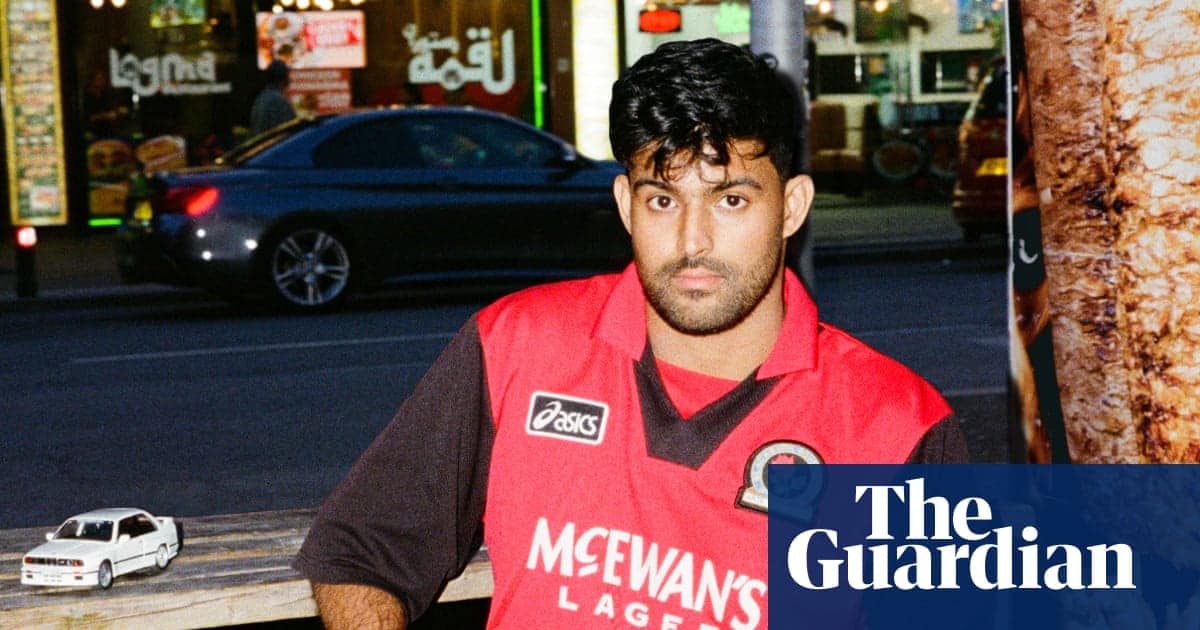
‘I Wanted It to Feel Both Shakespearean and Like Jay-Z’: Debut Author Sufiyaan Salam on Masculinity, Rap and Meeting Stormzy
Companies Mentioned
Why It Matters
The book signals a shift toward culturally specific, male‑focused literary fiction, expanding diversity in UK publishing and potentially re‑engaging a disengaged male readership.
Key Takeaways
- •Salam won the 2024 #Merky books prize with a 5,000‑word excerpt
- •Stormzy appeared at the award ceremony, boosting the novel’s profile
- •Wimmy Road Boyz mixes Shakespearean prose with Jay‑Z‑style rap
- •The novel tackles masculinity, mental health, and British‑Asian identity
Pulse Analysis
The UK literary landscape has long grappled with under‑representation of minority voices, and Sufiyaan Salam’s breakthrough underscores how imprint initiatives like Stormzy’s #Merky books can accelerate change. By awarding Salam’s *Wimmy Road Boyz*—a manuscript that fuses highbrow literary techniques with contemporary rap cadence—the prize not only validates a fresh narrative style but also signals to publishers that culturally resonant stories can thrive commercially. This endorsement, coupled with Stormzy’s high‑profile presence, amplifies the novel’s reach beyond traditional literary circles, attracting readers who might otherwise overlook fiction.
Salam’s work is a study in linguistic hybridity. Written almost entirely in lowercase and peppered with Gen Z slang, the novel mirrors the oral rhythms of British‑Asian youth while invoking Shakespearean structure through intermissions, choruses, and stage‑direction‑like prose. Thematically, it dissects the performance of masculinity, mental‑health pressures, and queer undercurrents within a racially segregated backdrop. By refusing the “good immigrant” narrative, Salam offers an unvarnished portrait of identity as a layered texture rather than a singular moral lesson, positioning the book as both cultural artifact and social commentary.
From a market perspective, *Wimmy Road Boyz* attempts to bridge a documented gap: young men’s declining engagement with literary novels despite their deep involvement with lyric‑driven media. Salam’s background in BBC children’s scripting and award‑winning short film *Magid/Zafar* demonstrates a cross‑media fluency that could translate into multimedia adaptations, further expanding the novel’s audience. If the book succeeds in resonating with its target demographic, it may inspire a new wave of male‑centric literary projects, prompting publishers to invest in similarly hybrid, culturally specific narratives that speak to the lived experiences of today’s diverse youth.
‘I wanted it to feel both Shakespearean and like Jay-Z’: debut author Sufiyaan Salam on masculinity, rap and meeting Stormzy
Comments
Want to join the conversation?
Loading comments...