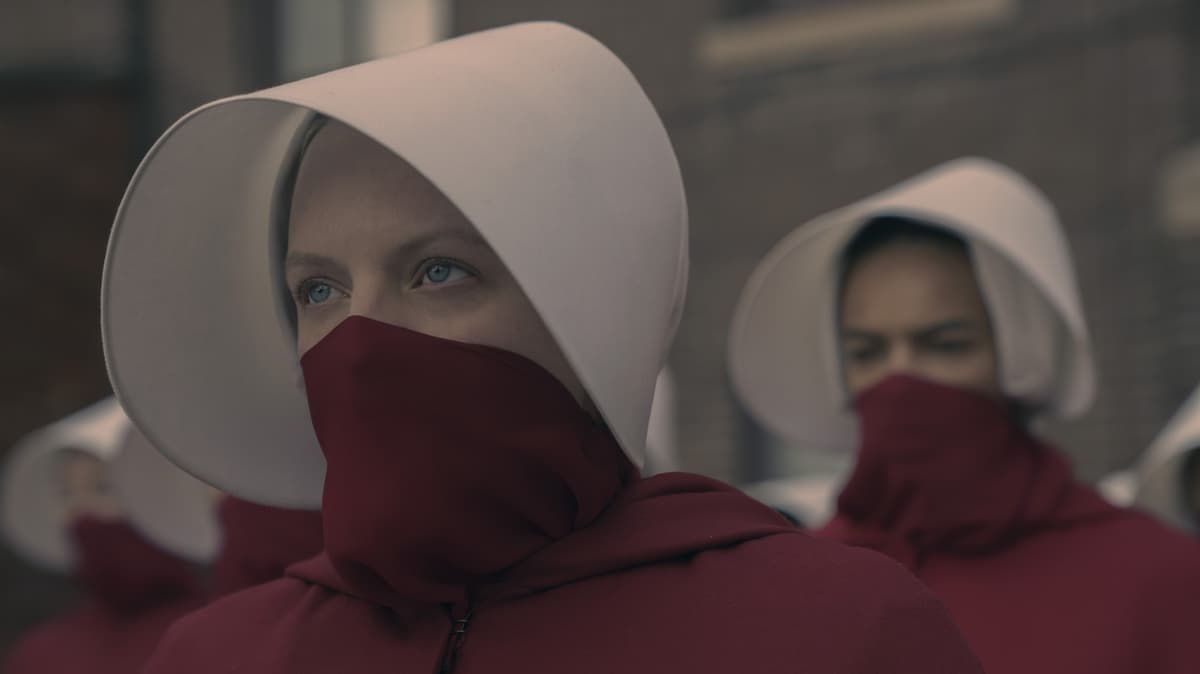
Margaret Atwood Didn't Hold Back Her Thoughts On The '90s Handmaid's Tale Adaptation
Why It Matters
Atwood’s endorsement validates streaming as the premier venue for literary adaptations, influencing future investment in high‑budget series. It also signals to creators that preserving authorial intent—like Offred’s voice‑over—drives audience engagement and critical acclaim.
Key Takeaways
- •Atwood criticizes 1990 film for removing Offred's voice‑over.
- •Hulu series uses voice‑over, expanding narrative beyond 90‑minute film.
- •Streaming platforms enable deeper adaptation of complex literary works.
- •New series 'The Testaments' continues story, receiving Atwood's approval.
Pulse Analysis
The 1990 adaptation of Margaret Atwood’s The Handmaid’s Tale suffered from a minimalist directorial approach that excised Offred’s internal monologue, a narrative device central to the novel’s psychological impact. Atwood’s 2018 interview underscored how the removal of voice‑over stripped the film of the protagonist’s perspective, leaving audiences with a flatter, less immersive experience. This criticism illustrates the broader challenge of translating richly internal literary texts to a visual medium without sacrificing core storytelling elements.
When Hulu launched its series in 2017, the streaming model offered the runtime flexibility Atwood deemed essential. By reinstating Offred’s voice‑over and extending the plot across six seasons, the show deepened character development and amplified the series’ cultural resonance, earning both critical praise and a devoted fan base. The success demonstrates how on‑demand platforms can accommodate complex narratives that traditional film constraints would compress, thereby reshaping expectations for literary adaptations in the digital age.
The forthcoming adaptation of The Testaments continues this trajectory, expanding Gilead’s universe while retaining Atwood’s creative oversight. Featuring new protagonists and a continuation of the resistance storyline, the series benefits from the same streaming freedoms that proved effective for the original show. Atwood’s public approval signals to studios that author collaboration and fidelity to source material are commercially viable, encouraging further investment in high‑budget, author‑driven series that push the boundaries of television storytelling.
Margaret Atwood Didn't Hold Back Her Thoughts On The '90s Handmaid's Tale Adaptation
Comments
Want to join the conversation?
Loading comments...