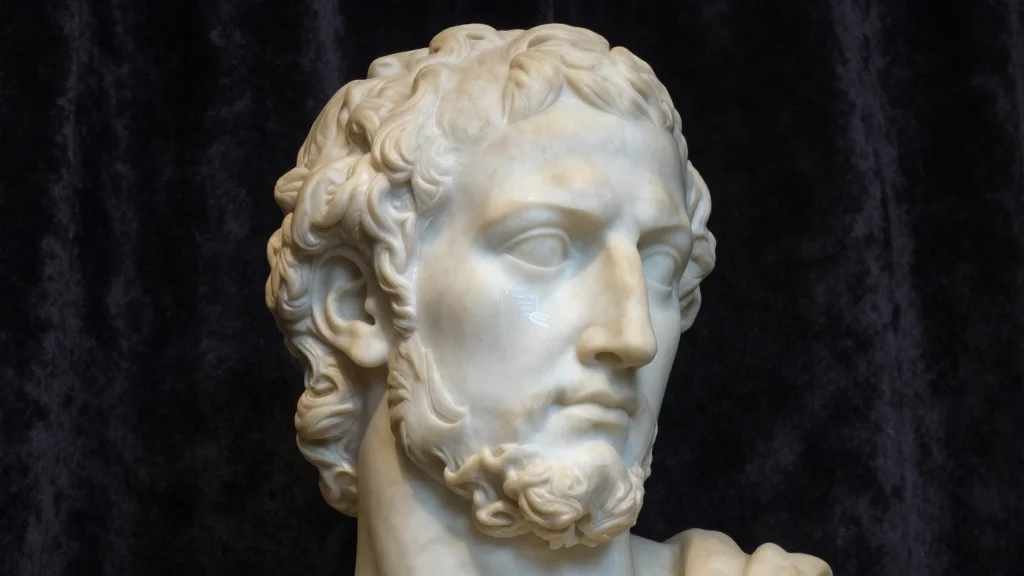
Recently Published Book Spotlight: Why Plato Matters Now
Companies Mentioned
Why It Matters
The work bridges academic philosophy and real‑world policy, offering decision‑makers a timeless framework for tackling democracy, health, and education dilemmas. Its public‑focused approach amplifies philosophical literacy at a time when civic discourse is under strain.
Key Takeaways
- •Hobbs links Plato’s dialogues to modern democracy and tyranny
- •Book applies Platonic ethics to healthcare prioritization and education reform
- •Author uses dialogic method to bridge faith, secular, and political divides
- •Emphasizes eudaimonia over happiness as objective flourishing metric
- •Aims to inspire public rereading of Plato for personal resilience
Pulse Analysis
Angie Hobbs, a leading public philosopher, leverages her academic pedigree and media savvy to revive Plato for a 21st‑century audience. *Why Plato Matters Now* is structured around contemporary themes—democracy, flourishing, education, love, and resilience—each anchored in a specific Platonic dialogue. Hobbs’s narrative style mirrors the Socratic method, inviting readers to engage directly with the text rather than receive prescriptive answers. This approach not only demystifies ancient philosophy but also showcases its practical relevance, positioning Plato as a living interlocutor for modern dilemmas.
The book’s real strength lies in its policy‑oriented applications. Hobbs illustrates how Plato’s concepts of eudaimonia and virtue can reshape healthcare triage, suggesting a more holistic assessment of patient needs beyond mere efficiency. In education, she argues that dialogic teaching—rooted in the dialectic of the *Republic*—fosters critical thinking and civic engagement, countering the rise of demagogic narratives. By mapping Platonic ideas onto current governance challenges, the work offers a philosophical toolkit for leaders navigating the thin line between democratic participation and authoritarian drift.
Beyond academia and policy circles, Hobbs’s work serves a broader cultural purpose: it rekindles the public’s capacity for wonder and reflective judgment. In an era saturated with quick‑fire soundbites, the book’s emphasis on measured dialogue and the pursuit of a "good life" provides a counter‑balance to fleeting gratification. Business executives, educators, and civic leaders can draw actionable insights from Plato’s timeless questions, using them to cultivate resilient organizations and societies. Hobbs’s invitation to reread Plato is, ultimately, an invitation to rethink how we live together in an increasingly complex world.
Recently Published Book Spotlight: Why Plato Matters Now
Comments
Want to join the conversation?
Loading comments...