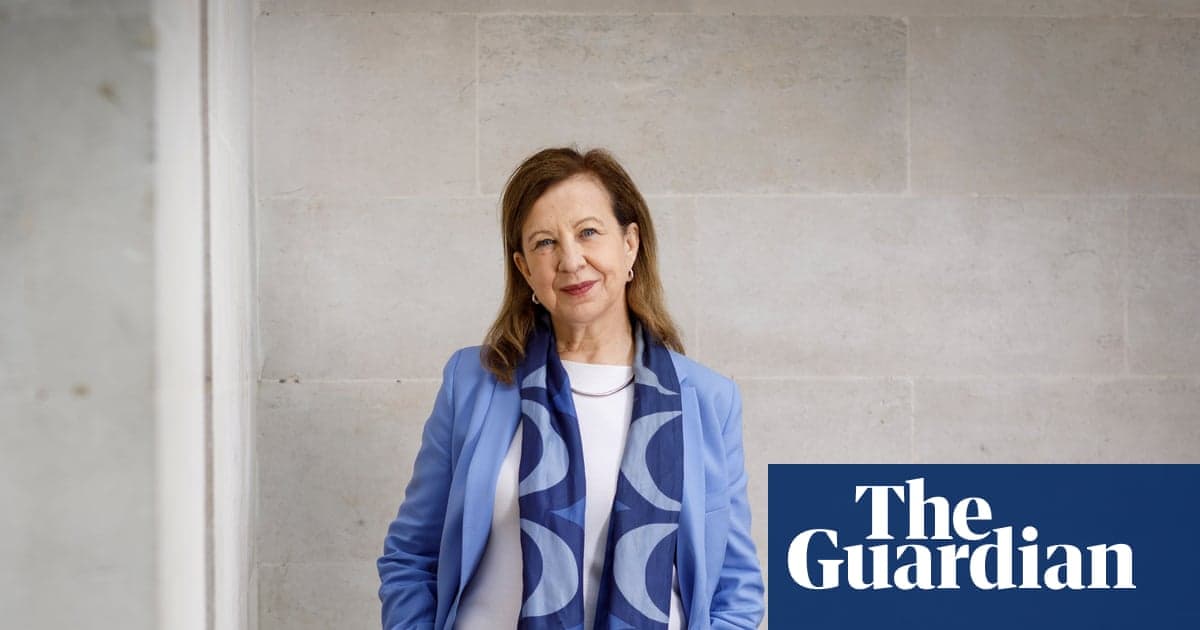
‘We Can’t Give up on Afghans’: Lyse Doucet on the Remarkable ‘People’s History’ that Won Her the Women’s Prize
Companies Mentioned
Why It Matters
The prize spotlights Afghanistan’s overlooked humanitarian crisis and amplifies calls for education access for Afghan women, influencing policy discourse as the EU considers diplomatic outreach.
Key Takeaways
- •The Finest Hotel in Kabul wins Women’s nonfiction prize
- •Book uses Intercontinental Hotel to trace Afghanistan’s turbulent history
- •Doucet urges global attention to Afghan women’s education bans
- •EU prepares first talks with Taliban amid human‑rights concerns
- •Post‑2001 era produced Afghanistan’s most educated generation
Pulse Analysis
Lyse Doucet’s The Finest Hotel in Kabul transforms a single hotel into a narrative prism for Afghanistan’s complex modern history. By anchoring stories of Soviet withdrawal, civil war, Taliban rule, and the brief democratic interlude to the Intercontinental’s corridors, the book offers readers a human‑scale entry point that avoids the fatigue of endless conflict reporting. The literary device resonated with judges, earning the Women’s prize for nonfiction and positioning the work as a cultural bridge between Western audiences and a nation often reduced to headlines of violence.
Beyond literary acclaim, the award arrives at a critical juncture for Afghan women’s rights. Since the Taliban’s return in 2021, secondary education for girls has been banned, university doors closed, and public employment sharply curtailed. Doucet’s platform amplifies these violations, urging policymakers to translate awareness into concrete support—scholarships, visa pathways, and humanitarian aid. The EU’s unprecedented move to open dialogue with Taliban representatives reflects a pragmatic, albeit controversial, shift toward engagement, highlighting the tension between legitimising a repressive regime and leveraging diplomatic channels to protect vulnerable populations.
The broader implication for journalism is a reminder that deep, place‑based storytelling can shape policy debates. Doucet’s decades‑long reporting underscores how sustained coverage builds a repository of lived experience that can be mobilised when crises re‑emerge. As the international community grapples with the balance between isolation and negotiation, works like The Finest Hotel in Kabul serve as both historical record and catalyst, urging a nuanced response that safeguards the hard‑won gains of Afghanistan’s most educated generation.
‘We can’t give up on Afghans’: Lyse Doucet on the remarkable ‘people’s history’ that won her the Women’s prize
Comments
Want to join the conversation?
Loading comments...