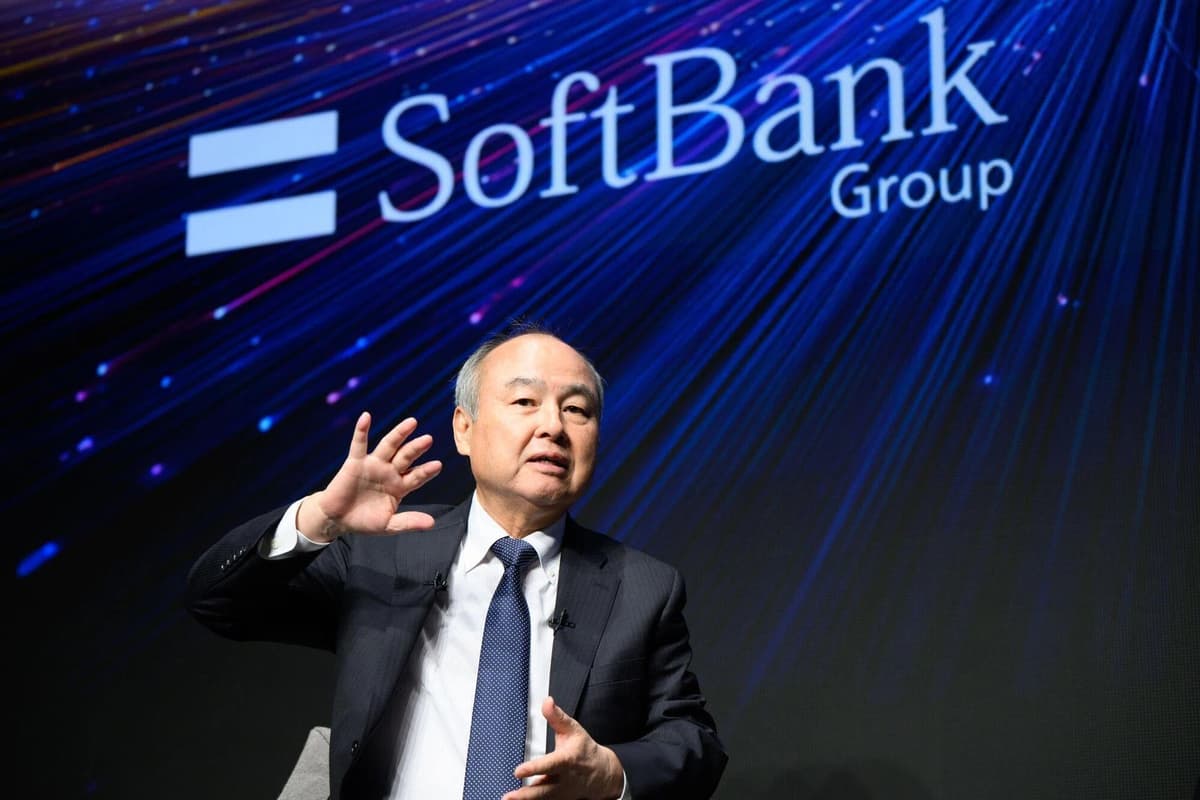
SoftBank’s Masayoshi Son Dismisses Musk’s Idea for Orbital Data Centres
Companies Mentioned



Why It Matters
Son’s dismissal signals that capital will continue flowing to terrestrial AI compute, limiting demand for space‑based data centre ventures and shaping the competitive landscape for AI infrastructure providers.
Key Takeaways
- •Son says space data centres add little cost advantage.
- •SoftBank pledges hundreds of billions to Earth‑based AI infrastructure.
- •Musk’s orbital plan faces higher launch, maintenance, latency costs.
- •SoftBank’s $65 billion OpenAI stake underpins its AI push.
- •Telecom unit to launch neocloud and battery storage in U.S.
Pulse Analysis
The concept of orbital data centres has captured imaginations, promising near‑zero electricity costs by harvesting solar power in space. Yet the practicalities—rocket launches, orbital maintenance, and signal latency—inflate expenses far beyond the modest energy savings. Analysts note that while SpaceX and Blue Origin tout the vision, the economics remain unproven, especially for latency‑sensitive AI workloads that require rapid data exchange with terrestrial users.
SoftBank’s strategy reflects a pragmatic counterpoint. By allocating hundreds of billions of dollars to expand Earth‑based data‑centre capacity, the Japanese conglomerate is betting on the proven reliability and scalability of ground infrastructure. Its $65 billion stake in OpenAI underscores a deep commitment to the AI ecosystem, while plans for massive data‑centre builds and battery storage aim to secure the power and cooling needed for next‑generation models. This approach leverages existing supply chains and regulatory frameworks, delivering compute power faster and at lower risk than pioneering orbital facilities.
The broader implication for the AI industry is a reaffirmation that the near‑term compute race will be won on the ground. Investors are likely to favor companies that can rapidly scale terrestrial infrastructure, marginalizing speculative space‑based projects. As AI models grow in size and demand, firms like SoftBank that combine deep pockets with strategic partnerships will shape the market’s trajectory, while Musk’s orbital ambitions may remain a long‑term research curiosity rather than a commercial reality.
SoftBank’s Masayoshi Son dismisses Musk’s idea for orbital data centres
Comments
Want to join the conversation?
Loading comments...