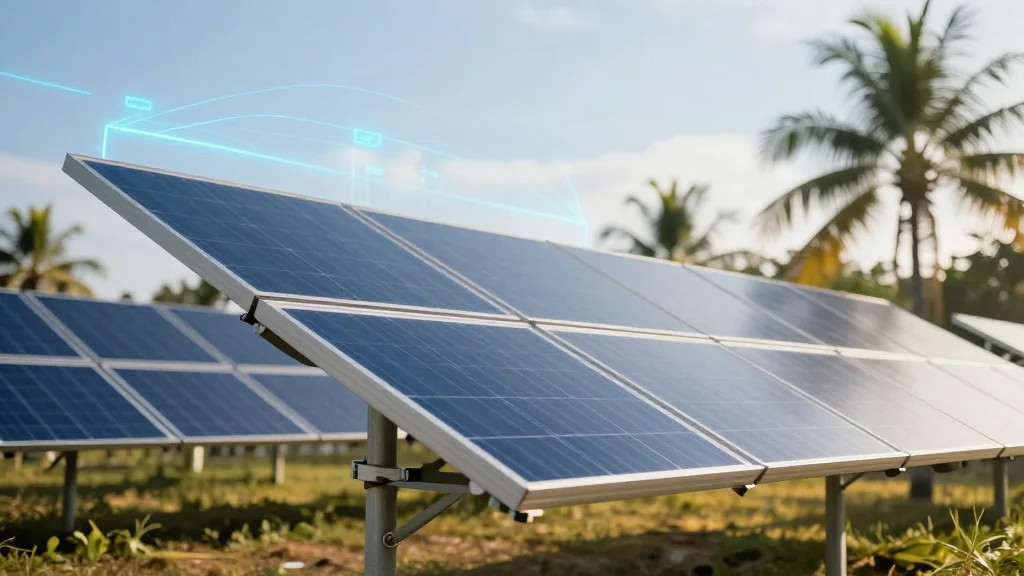
AWS Signs First Carbon‑free Solar PPA in Malaysia, 23 MW Plant to Power 50,000 Homes

Companies Mentioned
Why It Matters
The AWS‑Elphil Energy PPA demonstrates how cloud providers can leverage their scale to accelerate renewable deployment in markets that have traditionally lagged behind Europe and North America. By tying clean electricity directly to its data‑center operations, AWS reduces its carbon footprint and sets a benchmark for other tech giants operating in the region. For Malaysia, the project contributes to a national renewable target, diversifies the energy mix, and creates a template for public‑private collaboration that can be replicated across Southeast Asia. Beyond emissions, the deal illustrates the financial viability of utility‑scale solar in a market where land costs and grid integration have been challenges. The long‑term contract provides developers with the certainty needed to attract financing, potentially unlocking further private investment and reducing reliance on government subsidies. As more multinational firms adopt similar PPAs, the cumulative effect could be a rapid expansion of clean‑energy capacity, supporting both climate goals and economic growth.
Key Takeaways
- •AWS signs its first carbon‑free PPA in Southeast Asia with Elphil Energy for a 23‑MW solar farm.
- •The plant will generate enough electricity to power over 50,000 Malaysian households annually.
- •Project supports Malaysia’s aim to reach 40 % renewable energy capacity by 2035.
- •Asiabina Group, the developer, has built more than 270 MW of solar capacity since 2017.
- •The agreement is part of AWS’s broader Climate Pledge strategy to achieve net‑zero emissions by 2040.
Pulse Analysis
AWS’s entry into the Malaysian solar market is more than a sustainability gesture; it is a strategic move to secure low‑cost, reliable power for a region where data‑center demand is projected to double over the next decade. By locking in a long‑term PPA, AWS hedges against future electricity price spikes and regulatory uncertainty, while simultaneously positioning itself as a climate‑leadership brand in a market where consumer and investor expectations for green operations are rising.
Historically, cloud providers have relied on third‑party renewable certificates or indirect purchases to meet sustainability targets. The shift toward on‑site or directly contracted renewable generation reflects a maturation of corporate climate strategies, where tangible, location‑specific clean energy is preferred over abstract offsets. In Southeast Asia, where grid emissions are still high, such PPAs can deliver immediate emissions reductions and set a precedent for other high‑energy‑intensity industries.
Looking forward, the success of the Sungai Siput project could catalyze a cascade of similar agreements across the region. If AWS can demonstrate cost parity or advantage over conventional grid power, other tech firms and even non‑tech corporations may follow suit, creating a competitive market for renewable PPAs. This could accelerate the de‑carbonization of the regional power sector, spur local job creation in renewable construction and operations, and reinforce the economic case for governments to streamline permitting and grid‑integration processes. The AWS‑Elphil Energy deal thus stands as a potential inflection point for both the cloud industry’s climate strategy and Southeast Asia’s renewable energy trajectory.
AWS signs first carbon‑free solar PPA in Malaysia, 23 MW plant to power 50,000 homes
Comments
Want to join the conversation?
Loading comments...