China Is Poised to Reap Rewards as Energy Shock Heats up the Race for Renewables
Companies Mentioned
Why It Matters
The energy shock reshapes global power markets, positioning China as a key supplier of renewable infrastructure and low‑cost EVs, which could translate into long‑term geopolitical and economic leverage.
Key Takeaways
- •China backs 354 projects in Asia, 126 in Africa, 42 in Europe
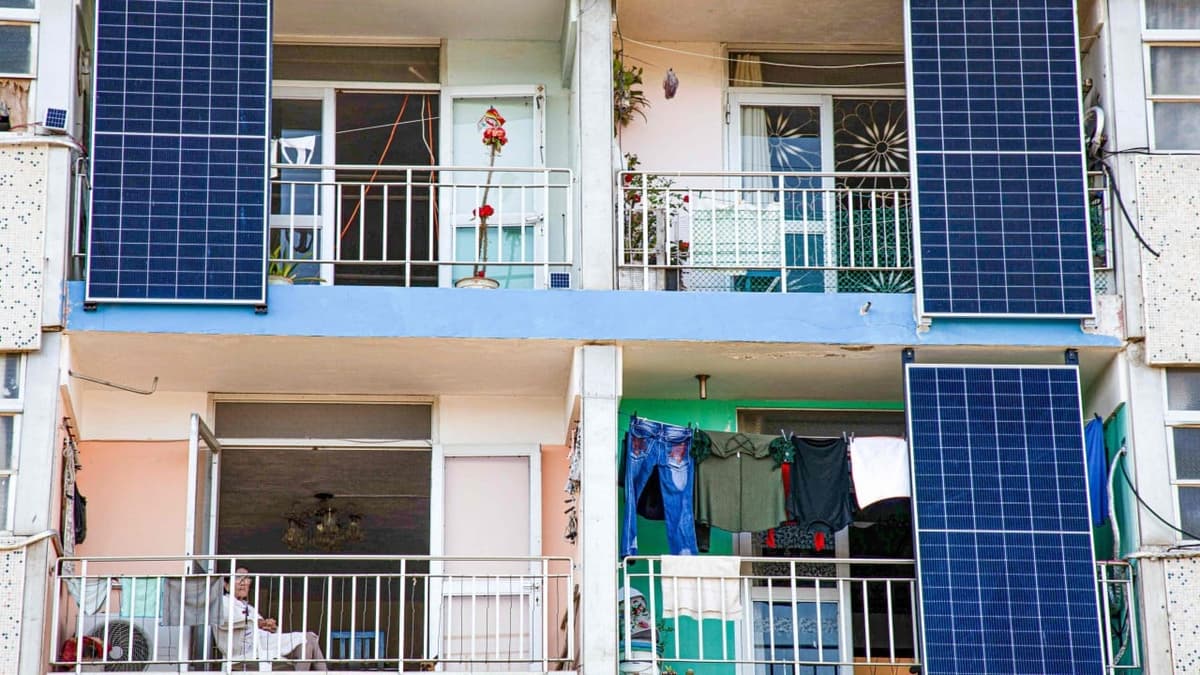
- •Cuba's solar share rose to >20% in 12 months, 2GW by 2028
- •EU avoided €58 bn ($68 bn) fossil‑fuel costs thanks to renewables
- •Wood Mackenzie predicts 80 million new EVs globally 2026‑2030
- •China’s diversified mix: 4% oil/gas, 30% renewables, 60% coal
Pulse Analysis
The ongoing oil price shock, sparked by the Iran war, has forced nations to reassess energy security and accelerate renewable‑energy investments. China, already dominant in photovoltaic manufacturing, is leveraging its supply‑chain depth to fund more than 500 projects worldwide, from large‑scale solar farms in Laos to micro‑grids in Cuba. By delivering affordable panels and financing, Beijing not only mitigates the immediate impact of fossil‑fuel shortages but also cements its role as the de‑facto infrastructure provider for emerging markets seeking energy independence.
Regional case studies illustrate the broader trend. In Cuba, Chinese solar kits lifted renewable generation to over one‑fifth of the grid within a year, and a planned 2 GW capacity will match the island’s fossil‑fuel output by 2028. Southeast Asia benefits from a 1 GW Chinese‑backed solar plant in Laos, feeding a regional market that aims to cut reliance on Middle‑East oil. Meanwhile, the European Union’s aggressive solar and wind rollout avoided roughly $68 bn in extra fossil‑fuel costs, underscoring how renewable penetration can buffer geopolitical shocks. Simultaneously, lower‑cost Chinese electric vehicles are spurring EV adoption, with Wood Mackenzie forecasting 80 million new EVs globally between 2026 and 2030.
Looking ahead, IRENA projects renewables will comprise nearly half of global installed capacity by 2025, a share set to rise as storage costs fall. China’s diversified energy mix—only 4% oil and gas, 30% renewables, and a strong coal base—offers resilience while its export of solar hardware and EVs provides a strategic economic lever. For investors and policymakers, the message is clear: the energy transition is no longer a gradual shift but a rapid, conflict‑driven realignment that rewards firms embedded in China’s clean‑tech ecosystem.
China is poised to reap rewards as energy shock heats up the race for renewables
Comments
Want to join the conversation?
Loading comments...