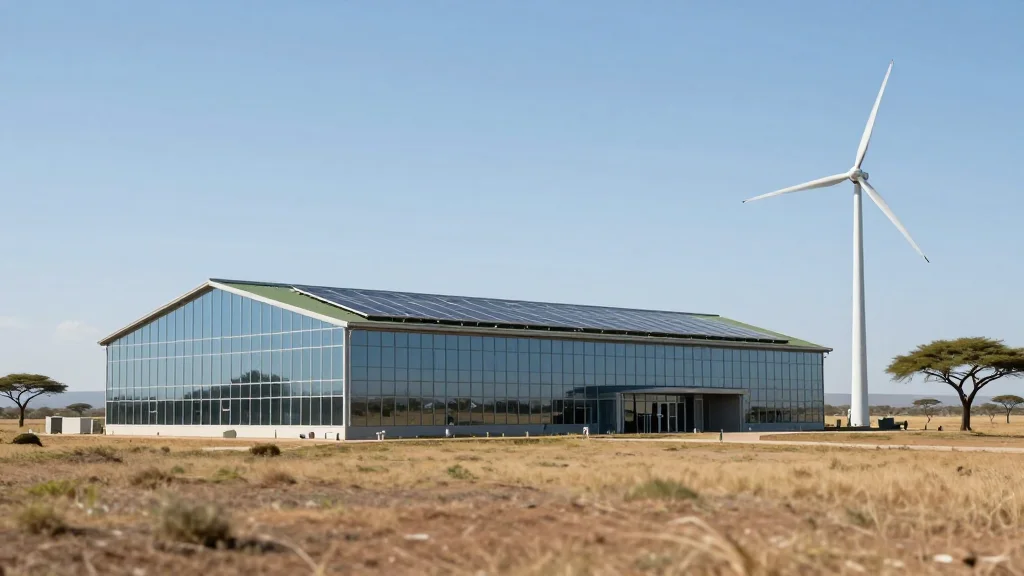
Kenya Confirms $1 B Microsoft‑G42 Data Centre On Track Despite Power‑Supply Woes

Companies Mentioned
Why It Matters
The Kenya‑Microsoft‑G42 partnership sits at the intersection of digital transformation and climate mitigation. A successful rollout powered by renewable energy would validate a model where AI‑intensive workloads coexist with aggressive decarbonisation targets, encouraging similar projects in other emerging markets. Conversely, a shortfall in clean power could force reliance on carbon‑intensive generators, undermining climate goals and exposing the region to energy‑security risks. The project also signals to global cloud providers that Africa’s regulatory and infrastructure environments are evolving fast enough to host next‑generation services. By committing to a ten‑fold increase in generation capacity, Kenya is positioning itself as a potential hub for AI research, fintech, and climate‑tech analytics, attracting further foreign direct investment and talent to the continent.
Key Takeaways
- •Kenya reaffirms $1 billion Microsoft‑G42 data centre will proceed despite power‑supply concerns.
- •Current national electricity generation is about 3,000 MW; government targets 10,000 MW by 2030.
- •Ambassador Philip Thigo clarified President Ruto’s remarks were about scaling power, not halting the project.
- •Project aims to deliver Azure cloud and AI services across East Africa, boosting the regional digital economy.
- •Renewable resources—geothermal, wind, solar—are central to Kenya’s plan to meet the expanded power demand.
Pulse Analysis
Kenya’s pledge to expand its grid capacity is a pragmatic response to the classic climate‑tech paradox: high‑energy digital services demand clean power to avoid negating their efficiency gains. By anchoring the Microsoft‑G42 data centre to a renewable‑heavy expansion, the country can turn a potential liability into a competitive advantage, positioning itself as Africa’s first low‑carbon AI hub. This could catalyse a cascade of similar projects, prompting other governments to tie tech incentives to explicit clean‑energy roadmaps.
However, the timeline is aggressive. Scaling from 3,000 MW to 10,000 MW in under five years will require fast‑track approvals, substantial capital inflows, and successful integration of intermittent renewables. Any delay could force the data centre to rely on diesel or gas peaker plants, inflating operating costs and carbon footprints. Investors will likely scrutinise power‑purchase agreements and the proportion of renewable versus fossil generation before committing further capital.
In the broader market, the Kenya case illustrates how infrastructure bottlenecks can become strategic flashpoints for climate‑tech investors. As cloud providers chase low‑latency, high‑capacity sites, the ability of host nations to guarantee sustainable power will increasingly dictate deal flow. Kenya’s public commitment, reinforced by high‑profile diplomatic statements, may therefore serve as a template for aligning national energy policy with the demands of the next wave of AI‑driven climate solutions.
Kenya Confirms $1 B Microsoft‑G42 Data Centre On Track Despite Power‑Supply Woes
Comments
Want to join the conversation?
Loading comments...