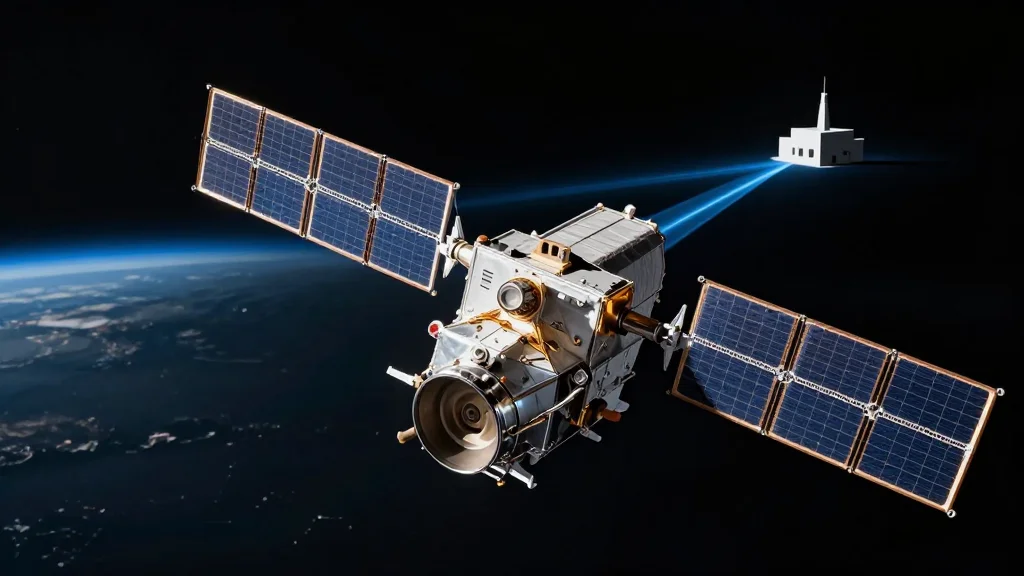
Meta Secures Up to 1 GW of Space‑Based Solar Power and 100 GWh Storage for AI Data Centers

Companies Mentioned
Why It Matters
The Meta‑Overview partnership marks the first commercial capacity reservation for space‑based solar, moving the concept from speculative engineering to a tangible supply chain component for one of the world’s largest data‑center operators. If successful, the model could unlock new renewable capacity without the land and transmission constraints that limit traditional solar farms, accelerating the decarbonization of compute‑intensive workloads. Equally important, the Noon Energy storage deal addresses the intermittency gap that has plagued renewable integration at scale. By providing 100 hours of dispatchable power, Meta can hedge against grid outages and peak‑load spikes, reducing reliance on fossil‑fuel peaker plants. Together, the two technologies could set a template for other tech giants seeking resilient, carbon‑free power, reshaping how the industry sources electricity for AI.
Key Takeaways
- •Meta reserves up to 1 GW of space‑based solar power from Overview Energy.
- •The partnership includes a 1 GW/100 GWh ultra‑long‑duration storage deal with Noon Energy.
- •Meta’s AI data centers used >18,000 GWh of electricity in 2024, equivalent to 1.7 million U.S. homes.
- •Overview plans a 1,000‑satellite constellation in geosynchronous orbit, with a demo slated for Jan 2028.
- •Noon Energy’s pilot storage project (25 MW/2.5 GWh) is expected to be operational by 2028.
Pulse Analysis
Meta’s dual‑track approach reflects a strategic bet on technology that can outpace the limits of today’s renewable mix. By anchoring its AI compute growth to space‑derived solar, Meta sidesteps the classic trade‑off between renewable scale and land use, a pain point for data‑center clusters that often sit in regions with limited solar potential. The near‑infrared beaming method also avoids the safety and regulatory hurdles associated with high‑power microwave or laser transmission, a clever design choice that could smooth the path to regulatory approval.
From a market perspective, the deals could catalyze a new wave of investment in space‑energy startups. Venture capital has already begun to flow into orbital power concepts, but Meta’s endorsement provides a marquee customer that validates commercial viability. Competitors may feel pressure to explore similar pathways or double down on massive battery and hydrogen projects, intensifying the race for the most cost‑effective, low‑carbon energy supply chain.
However, the timeline remains a critical risk. The first demonstration won’t occur until 2028, and full commercial delivery is projected for 2030—well after Meta’s AI compute demand is expected to surge. In the interim, the company will still rely on conventional renewables, nuclear, and traditional storage. The success of these partnerships will hinge on whether the technology can meet performance, safety, and cost targets at scale, and whether regulators will grant the necessary spectrum and orbital permissions. If those hurdles are cleared, Meta could set a precedent for a new class of renewable infrastructure that decouples power generation from geography, reshaping the climate‑tech landscape for decades to come.
Meta Secures Up to 1 GW of Space‑Based Solar Power and 100 GWh Storage for AI Data Centers
Comments
Want to join the conversation?
Loading comments...